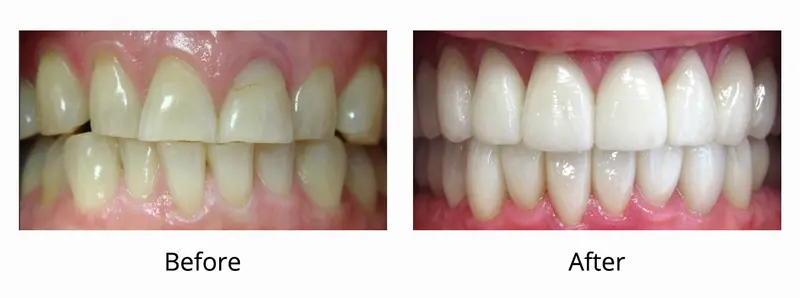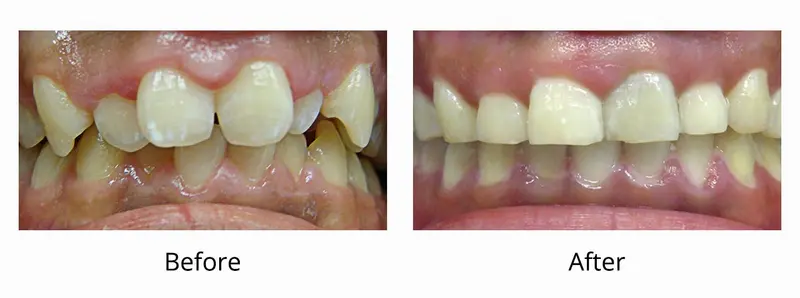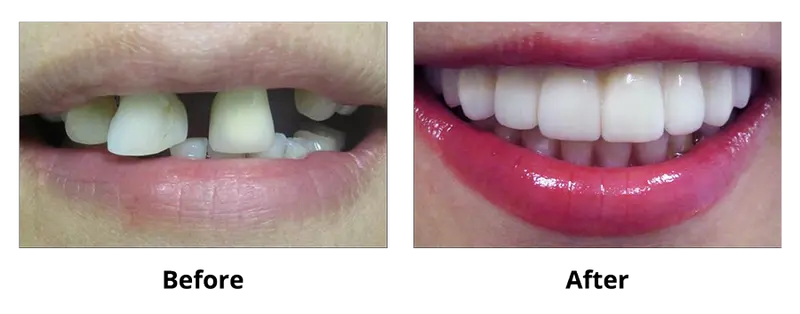
Downtown Toronto's TMJ-focused dental team — delivering relief from jaw pain, headaches, and sleep apnea alongside full-service care on the PATH at Bay & Queen.
Our TMJ / TMD examination looks at how your jaw is moving to help find what's causing the discomfort and how we can help you manage it.
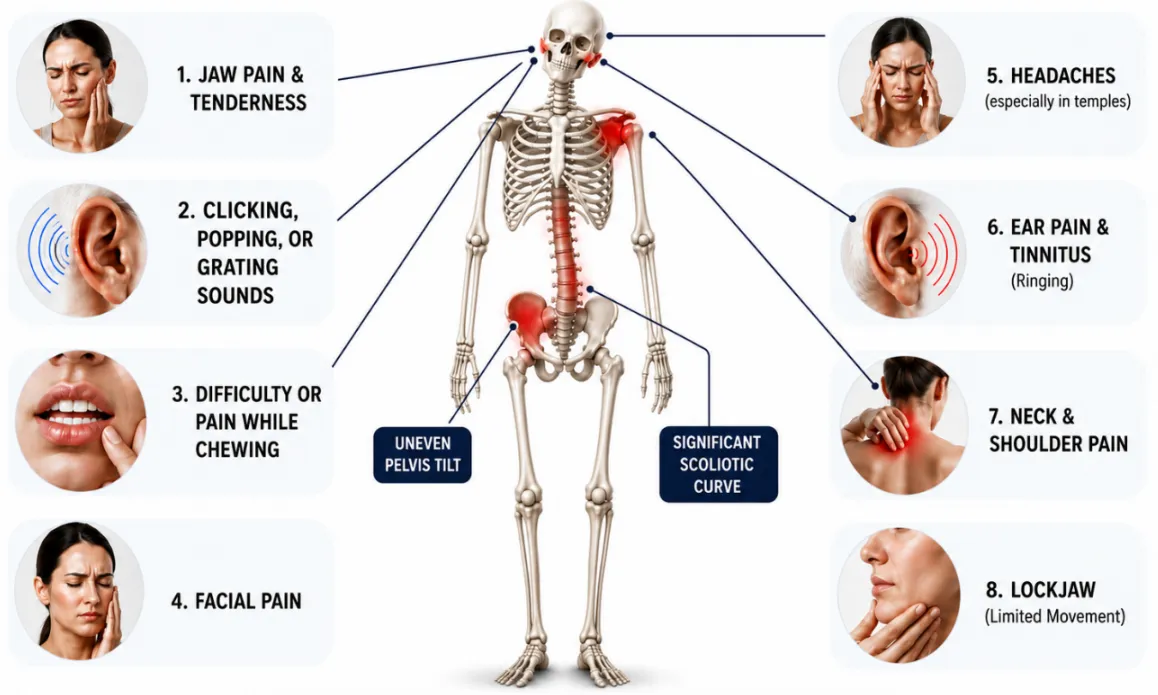
Common symptoms of TMJ disorder include jaw pain, clicking or popping sounds, difficulty chewing, facial pain, headaches, ear pain or tinnitus, lockjaw, and neck or shoulder pain. Our team uses advanced diagnostics — including T-Scan, JVA, and TMJ X-rays — to design a personalized treatment plan.

Founder · Dr. Yolanda Cruz, DDS — Dentistry On The PATH
From routine cleanings and family checkups to full-mouth restorations, advanced gum surgery, and complex TMJ care — we bring everything under one roof so our patients can build a long-term relationship with one dental home. Dr. Cruz has practiced general dentistry in Toronto for over thirty years, with a particular focus on cosmetic dentistry, dental implants, and pinhole gum surgery. She is supported by Dr. Maziar Shahzad Dowlatshahi and Dr. Youssef Azer.
Explore care by area of focus: Preventative · Restorative · Cosmetic · Advanced Care · TMJ & Sleep.
Hover on any card to reveal the full story.
Since 1990. Same families, same neighbours.
Dr. Yolanda Cruz has practiced general dentistry in downtown Toronto since 1990 — over thirty-five years caring for the same families, same neighbours, same workplaces. Patients return because she remembers them, knows their history, and treats every visit as an extension of a long relationship.
TMJ, sleep, implants, cosmetics — under one roof.
TMJ/TMD treatment, sleep apnea appliances, Invisalign, dental implants, cosmetic veneers, pinhole gum rejuvenation, and laser dentistry — all under one roof, all coordinated by the same team. No referral chains, no fragmented records, no surprises about who handles what.
Underground at Bay & Queen. No weather, no hassle.
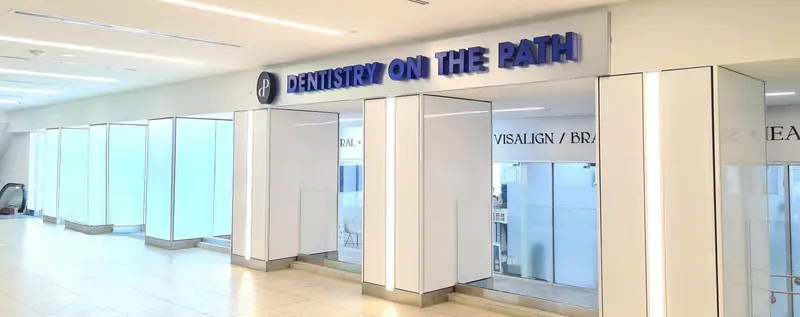
Located underground at 390 Bay Street where the PATH meets Bay & Queen, the office is reachable from offices, hotels, and TTC stations without ever stepping outside. Quiet, modern, and built for downtown professionals who value their time.
No referral required. We see you, listen, examine carefully, and explain options before recommending treatment.
01
Call or Book Online
Same-day emergencies welcome
02
Comprehensive Exam
iTero, diagnostic photos, x-rays
03
Your Personalized Plan
Conservative options first
04
Treatment & Ongoing Care
Long-term relationship
Tucked into the concourse level at 390 Bay Street, our storefront is steps from Bay & Queen and the entire downtown Toronto PATH network. Walk in from offices, hotels, the subway, or transit hubs — no coats, no weather, no hassle.
Hours run Monday through Saturday with same-day emergency appointments available. New patients welcome.
Featured Treatments
A look at the technology and treatments we use most — from advanced TMJ care and sleep apnea support to scalpel-free gum surgery and Fotona laser therapy.

Orthodontics & Invisalign
Clear aligners and braces for kids, teens, and adults.
Learn more →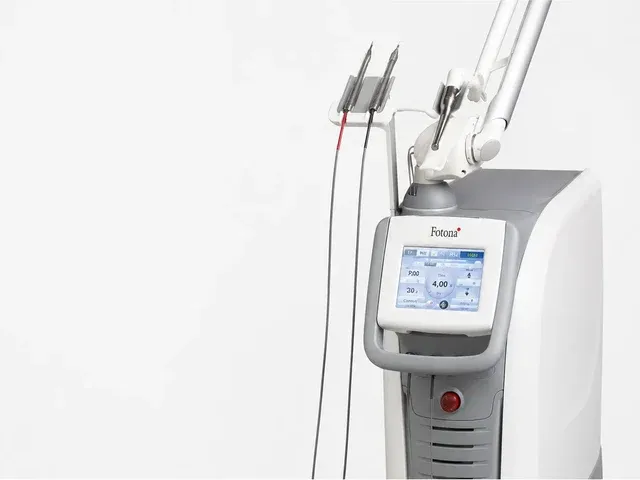
Dental Laser Therapy
Fotona laser therapy for modern dental and TMJ care.
Learn more →
Mucocele Removal
Laser-assisted treatment for lip and mouth bumps with minimal discomfort.
Learn more →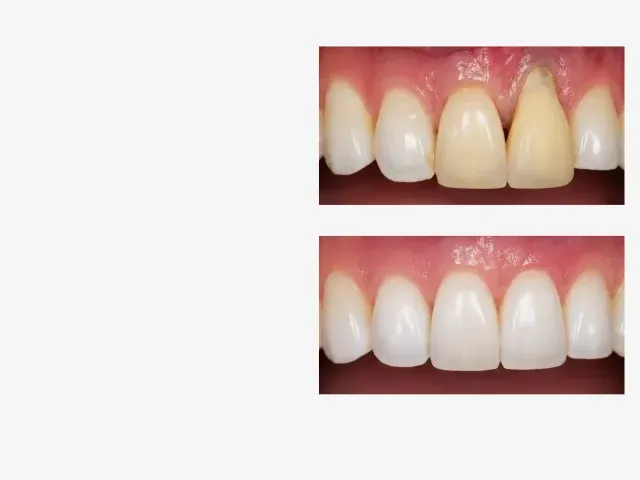
Pinhole Surgical Technique
Scalpel-free treatment for receding gums using the Pinhole Surgical Technique.
Learn more →
Sleep Apnea Treatment
Custom oral appliances designed to reduce snoring and improve sleep quality.
Learn more →
Mute® Nose Cones
Simple nasal airflow support designed to reduce snoring and improve nighttime breathing.
Learn more →Actual results from our Toronto patients — porcelain veneers, Invisalign clear aligners, dental implants, and TMJ/TMD treatment.
See what our patients are saying about their experience with Dr. Cruz and the team at Dentistry On The PATH.
Read Our Google Reviews →Our office welcomes patients enrolled in the Canadian Dental Care Plan. Find out which services are covered and how to get started.
Learn About CDCP →Conveniently located on the PATH at Bay & Queen. New patients welcome.