If you have a true dental emergency, make sure to consult your dentist right away. Some situations may arise, however, that after hours, so it’s important to know how to proceed. These tips will help you take good care of yourself or someone you love:
• Bitten lips, cheeks or gums
First, gently rinse the area with cool water. Apply light pressure with gauze or a wash cloth. Control swelling with crushed ice in a Ziploc bag.
• Bleeding gums
Usually caused by gum disease or brushing too hard, treat bleeding gums by rinsing with warm water and creating a regular home care routine that includes brushing twice a day and flossing regularly. See your dentist for a complete exam.
• Canker sores
Rinse the area with warm salt water. Avoid spicy, acidic, or very hot foods when you have an open sore. If the area doesn’t heal in two weeks, contact your dentist.
• Broken or cracked tooth
Carefully rinse the area with water, salt water if possible. Don’t remove any pieces and bring all fragments with you to the dentist’s office.
• Loose baby tooth
Don’t pressure your child to pull the tooth. Encourage your son or daughter to wiggle the tooth side to side as well as back and forth to help free the tooth.
• Teething pains
Place a wash cloth in the freezer and allow your baby to suck on it to relieve pain. Mild over-the-counter analgesics may also help.
• Toothaches
Avoid irritating the tooth. Don’t bite down on the area, and avoid hot or cold substances. Schedule an appointment with the dentist as soon as possible.
Our dental office is located in Toronto
Do you wince when you take a bite of something hot, cold, or sweet? If so, you may be one of the millions of Americans experiencing sensitive teeth. This issue can impact your quality of life, causing you to limit the foods and beverages you enjoy.
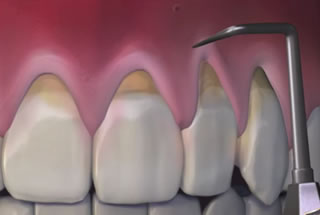
Sensitivity in teeth occurs when dentin, the middle layer, is exposed. Usually, your gums cover the dentin, which contain tiny tubules that house the nerve branches leading to the nerve center of the tooth. If the dentin is uncovered, your tooth, or teeth, becomes sensitive.
Several factors can bring about tooth sensitivity, including:
- A worn out filling
- Cavities that need treatment
- Grinding your teeth
- Improper brushing that can wear down the enamel
- Poor oral home care, which allows tartar build up
- Receding gums
- Whitening your teeth
Sometimes, people experience pulpal sensitivity, which generally affects a single tooth and occurs because of damage to the pulp, or nerve center. Because the symptoms can be similar to general tooth sensitivity, your dentist will need to examine your teeth and possibly get an X-ray to determine if you have any decay.
For general sensitivity, you can take several steps at home, including gently brushing teeth, using a soft brush, selecting fluoride toothpaste, and getting treatment for teeth grinding. Your dentist may also recommend toothpaste specifically designed to lessen sensitivity in teeth. Treatment for pulpal sensitivity usually involves removal of decay and/or root canal therapy.
Schedule a dental cleaning appointment today at our Toronto dental office.
Everyone knows that what you eat matters for your health. Your diet impacts your heart, weight, and other areas, including your oral health. Eating a balanced diet will keep your teeth and gums strong, which protects your smile.
These tips will help you make your diet count:
• Choose foods high in calcium. Low-fat milk, yogurt, and cheese offer you great sources of calcium, a mineral that helps your teeth and bones in good shape. Green, leafy vegetables such as broccoli and spinach also provide calcium.
• Limit sugar intake. Though a cookie or the occasional piece of chocolate won’t hurt your smile, eating too many sweets can contribute to cavities. It also important to watch your carbohydrates, like breads, pastas, and potatoes, because these foods may also increase the chance of tooth decay.
• Say no to sodas. Carbonated beverages contain phosphorous and carbonation, acidic substances that can cause enamel erosion. Because sports drinks have a high sugar content, you should limit those as well.
• Go for fruits and vegetables. Apples, carrots, and celery are good options because they are high in nutrients and won’t stick to your teeth.
• Cut back on snacks. When you eat between meals, the food stays on your teeth and can boost your risk for cavities.
• Drink plenty of water. Not only does water have fluoride to strengthen your teeth, but it also helps wash away food and plaque from your teeth.
• Chew sugarless gum. Studies have proven that chewing sugarless gum increases saliva production. Saliva naturally reduces plaque build up and rinses away food particles that encourage the development of tooth decay.
Everyone knows that what you eat matters for your health. Your diet impacts your heart, weight, and other areas, including your oral health. Eating a balanced diet will keep your teeth and gums strong, which protects your smile.
These tips will help you make your diet count:
• Choose foods high in calcium. Low-fat milk, yogurt, and cheese offer you great sources of calcium, a mineral that helps your teeth and bones in good shape. Green, leafy vegetables such as broccoli and spinach also provide calcium.
• Limit sugar intake. Though a cookie or the occasional piece of chocolate won’t hurt your smile, eating too many sweets can contribute to cavities. It also important to watch your carbohydrates, like breads, pastas, and potatoes, because these foods may also increase the chance of tooth decay.
• Say no to sodas. Carbonated beverages contain phosphorous and carbonation, acidic substances that can cause enamel erosion. Because sports drinks have a high sugar content, you should limit those as well.
• Go for fruits and vegetables. Apples, carrots, and celery are good options because they are high in nutrients and won’t stick to your teeth.
• Cut back on snacks. When you eat between meals, the food stays on your teeth and can boost your risk for cavities.
• Drink plenty of water. Not only does water have fluoride to strengthen your teeth, but it also helps wash away food and plaque from your teeth.
• Chew sugarless gum. Studies have proven that chewing sugarless gum increases saliva production. Saliva naturally reduces plaque build up and rinses away food particles that encourage the development of tooth decay.
At Brown, Reynolds & Snow Dentistry we care about your smile and your oral health. Richmond, VA Cosmetic Dentist
Our dental office is located in Toronto
From the time we are young, our parents teach us to brush and floss our teeth so that we won’t get cavities. Most people believe certain “facts” about cavities and how they actually develop. Unfortunately, not everything we learn is true. Take a few minutes to discover what’s true and what’s not about keeping your teeth healthy and strong:
Fact or Fiction: Sugar causes most cavities.
Reality: Actually, this statement is both fact and fiction. The acid produced by bacteria in your mouth is what causes cavities. Eating foods high in carbohydrates increases the bacteria in your mouth, resulting in greater acid production, which leads to a greater chance of tooth decay.
Fact or Fiction: Kids get more cavities than adults.
Reality: In the last 20 years, thanks to fluoride and better preventive care, tooth decay in school-aged children has decreased. On the other hand, senior citizens have seen a rise in the incidents of cavities, possibly because of changes in their mouths that come with aging, including dry mouth and issues with gum health.
Fact or Fiction: You must replace old fillings.
Reality: Most restorations do have a life expectancy, but it depends on a variety of factors such as tooth wear, hygiene habits, and location. Plan to replace an old filling if the restoration breaks down, a cavity develops around the filling, or the tooth fractures.
Fact or Fiction: If I get a cavity, I will know it.
Reality: Because tooth decay starts out small, most people don’t realize they have a problem until the cavity gets bigger and causes damage to the nerve. Routine visits to the dentist enable your doctor to check your mouth and catch small cavities before they create larger oral health issues.
Schedule a dental cleaning appointment today at our Toronto dentists office.
Modern dentistry allows people to keep their teeth healthy and strong. In fact, dentistry has evolved from folk practices to a medical discipline that follows scientific findings. Some common misconceptions still exist, including:
Myth: If I can’t see a problem with my teeth, they are fine, so I don’t need to visit the dentist.
Truth: Regular checkups are important even if you can’t see anything wrong. Sometimes, problems like decay and gum disease don’t present any signs until the condition progresses. Visiting the dentist for a routine exam twice a year allows the doctor to more effectively monitor your oral health.
Myth: Toothbrushes with hard bristles do a better job cleaning teeth.
Truth: Actually, most dentists recommend soft-bristled brushes because the hard bristles can remove tooth enamel, which makes your teeth more sensitive to hot and cold.
Myth: Root canal procedures cause pain.
Truth: When a tooth is severely damaged by trauma or deep decay, the soft nerve center called the pulp dies and pressure builds inside the tooth. Any discomfort you feel comes from the inflammation and infection. Most people actually feel better after a root canal, a procedure where the doctor removes the damaged tissue and seals the tooth to prevent further problems.
Myth: Teeth whitening will harm my teeth.
Truth: Both in-office and take-home teeth whitening options have evolved over the years. With a dentist’s supervision, you can safely and effectively brighten your smile.
Myth: Chewing sugar-free gum means I don’t have to brush my teeth.
Truth: Although sugar-free gum after meals may freshen breath and reduce plaque build up, you can’t use it as a substitute for brushing twice a day. Only regular brushing and flossing can get rid of the plaque already on teeth and remove food particles from between teeth.
Schedule a dental cleaning appointment today at our Toronto dentists office.
Every hour, one American loses the battle with oral cancer. In fact, oral cancer kills more people than liver, cervical, or testicular cancer. Recently, Michael Douglas shined a spotlight on this illness by revealing his own battle with the disease, after a malignant tumor was discovered at the base of his tongue, near the back of his throat.
Although men have as greater risk of developing oral cancer than women, and tobacco use increases your odds, 25 percent of oral cancer victims have no lifestyle risk factors.
You can follow these tips to keep your mouth healthy:
• Visit the dentist regularly. Your provider is trained to know what is normal and what isn’t. During your routine exam, the doctor will evaluate your teeth and gums, looking for anything out of the ordinary. At Brown, Reynolds & Snow Dentistry, we also offer ViziLite Plus cancer screening. ViziLite Plus uses technology that helps the dentist identify soft tissue abnormalities that may develop into cancer.
• Watch for unusual signs. Common symptoms of oral cancer include unusual bumps or thickenings, unexplained bleeding in the mouth, hoarseness, and voice changes. Contact your dentist right away if you develop any of these symptoms.
• Cut out tobacco and alcohol. Smokers have six times the risk of developing oral cancer as non-smokers. As well, heavy drinking increases your chances of receiving an oral cancer diagnosis.
• Perform a self-exam. Early detection substantially improves your odds of survival with oral cancer, so examine your lips, gums, cheeks, tongue, and the roof of your mouth at least once a month.
• Limit sun exposure. When you do go outside, apply sunscreen to your lips for added protection against harmful UV rays.
It’s time for your dental check up at our Toronto dental office.

 E-Mail Us
 416-595-5490