Tooth pain can be one of the most uncomfortable types of pain there is. It can make your whole jaw and head ache, interfere with eating, and cause your teeth to be more sensitive. One common reason for a toothache is your wisdom teeth, which are the molars in the very back of your mouth that develop last. Sometimes they don’t even erupt, but they can still be there under your gums causing trouble. If you experience pain related to wisdom teeth, here are some suggestions.
Make an appointment to see your dentist as soon as possible. This way you can find out for sure if your wisdom teeth are to blame for your pain, and decide the best treatment plan for your situation. A dentist examination, which may include x-rays, is the best way to determine exactly what’s going on with your teeth. You may not even be able to see your wisdom teeth, but they might be growing improperly under your gums. Often, wisdom teeth need to be extracted to avoid continued pain or worsening condition. Luckily, wisdom teeth extraction is a common procedure that your dentist or oral surgeon is very familiar with, and can provide you with great treatment that will end up relieving your pain.
While waiting for your dental appointment, try applying an over-the-counter numbing gel such as Oragel. This may help relieve your pain at least for a short time. Also, taking non-prescription pain medicines should help. Acetaminophen and ibuprofen are both good choices to try, especially to subdue the pain when you want to sleep.
Remember that prevention is often the best way to avoid dental pain. Brush your teeth at least twice a day, and floss every day. See your dentist regularly for checkups, because problems with wisdom teeth can sometimes be spotted before you ever begin to feel any pain associated with them. This allows you to deal with the problem before you have to endure a toothache.
Our dental office is located in Toronto
Your body is a little bit like a puzzle. It gives you clues to help you figure out what’s going on within your body. Did you know your mouth can give you hints about things that may be happening elsewhere in your body? Here’s a list of some of the signs your mouth can give you to pay attention to certain other aspects of your health.
Worn teeth and headache
If your teeth are showing extensive wear, you may be grinding your teeth. This would be even a stronger possibility if you’re also experiencing regular headaches, which can be caused by the muscle tension related to teeth grinding. This condition also indicates that you are likely under too much stress, and that you are unconsciously coping with it by grinding your teeth.
Gums covering teeth
If your gums begin to grow over your teeth and you are on medication, it may mean that your medication is at fault. Some medicines can cause your gums to overgrow, and the dosage needs to be adjusted.
Mouth sores
An open sore in your mouth that doesn’t go away in a couple of weeks can be an indicator of oral cancer. Numbness and unexplained bleeding in your mouth are other signs. Smokers and people over age 60 are at the most risk, but that doesn’t mean it doesn’t affect others too. See your dentist to make sure all is okay.
Cracked teeth
If your teeth begin to crack or wear extensively, you may have gastroesophogeal reflux disease (GERD). It’s a digestive disease that allows stomach acid to flow back into your food pipe and mouth. This acid can cause your teeth to deteriorate. Additional signs of GERD are acid reflux, heartburn, and dry mouth.
Unclean dentures
If you wear dentures, make sure you remove and clean them regularly. Inhaling food debris from your dentures that makes its way to your lungs can lead to pneumonia.
We treat patients from Toronto and the surrounding area
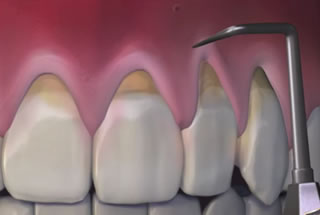
Receding gums not only look unattractive, they can harm your health. If you notice that your gums are receding, ask your dentist for help so that you can reverse the problem instead of allowing it to worsen. The goal is to catch gum recession early and get it under control before it turns into periodontal disease.
What exactly is gum recession? It’s the condition in which the outer tissue on a tooth begins to wear away toward the root, leading to exposure of your tooth enamel and eventually your tooth’s root. If untreated, receding gums lead to periodontal disease. The best way to avoid this problem is to prevent it from starting in the first place. This is easily done by performing good oral hygiene techniques. Brush twice a day with a soft toothbrush using a circular motion and mild pressure. Also, floss your teeth every day.
If you see that your gums are starting to recede, it’s likely that practicing better dental hygiene will restore your gum health over time. A deep cleaning by your dentist will help kick-start your hygiene routine at home. In some cases, an even deeper cleaning called root planing may be necessary.
For more advanced cases of gum recession, your dentist may need to take tissue from other areas and use it to cover exposed roots. This can boost your gum tissue and make it healthy again. If you experience pain and increased sensitivity due to exposed roots, your dentist may prescribe medications to help.
The main thing to remember about receding gums is that quick action is important. Good dental care is key in both preventing it and in correcting the problem after it has begun. If you notice that your gums are pulling away from your teeth or experience sensitivity, start the healing process as soon as possible by asking your dentist for treatment advice.
Schedule your appointment at our Toronto dental office
Problems with your mouth or teeth can occur suddenly. You might be injured playing a sport, eating, or even just while doing a seemingly harmless activity. You should know what types of dental problems are considered emergencies, and what to do while waiting to see your dentist. Quick action can make a big difference in saving a tooth, or limiting damage to your mouth or face.
What is considered an emergency?
Not every dental problem must be treated as an emergency, but some do require professional treatment as soon as possible. This includes a broken or knocked out tooth, lost crowns and fillings, severe toothache, infection, and injuries to the soft tissues of your mouth.
What should I do?
See your dentist as soon as possible to treat the problem and prevent further damage. Here are some steps to take if you experience any of the following common dental emergencies:
- Severe toothache – rinse your mouth with warm water and floss to remove trapped food.
- Swelling – apply a cold compress on the outside of the swollen area. Do not place any painkiller or aspirin against your gums, because it can burn your gum tissue.
- Chipped or broken tooth – if possible, save the piece that has broken off. Rinse both the piece and your mouth with warm water. If it is bleeding, hold gauze on the area. Apply a cold compress to relieve pain and reduce swelling.
- Lost filling – apply dental cement from your drugstore to fill the hollow area until you can see your dentist. Or, try placing a bit of sugarless gum into the area.
- Lost crown –try to replace the crown on your tooth and hold it in place temporarily with dental cement, denture adhesive, or toothpaste.
- Abscess – infections in your mouth can become abscessed, which is a serious condition. Rinse with warm salt water and see your dentist immediately.
- Soft tissue injuries – treat damage to your gums, cheeks, tongue and lips by rinsing with warm salty water. Hold gauze to the specific area to control bleeding, and hold a cold pack to the external area.
We look forward to seeing you in our Toronto dental office
Life can be full of frustrations, demands, deadlines, and inconveniences. For lots of people, stress is a way of life. The problem is that when you’re constantly stressed out, your health can pay the price. There are many health conditions that are caused or worsen due to high stress levels, but did you know that your mouth may be affected in the form of teeth grinding?
What is teeth grinding?
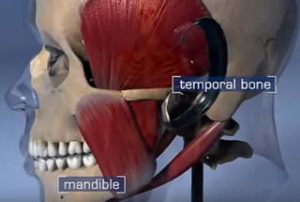
The condition of grinding or gnashing your teeth together is called bruxism, and often includes clenching your jaw. It commonly happens while sleeping, so that you may not even realize you’re doing it. Sometimes a sleeping partner hears it, or your dentist may recognize the signs of unusual wear on your teeth.
What does my stress level have to do with it?
Teeth grinding has been linked to stress and anxiety. Studies have shown that people who are stressed from daily life and don’t have adequate coping methods are more likely to grind their teeth. Experts say that both adults and children facing stress sometimes cope by grinding their teeth.
How does teeth grinding affect me?
Grinding your teeth has more negative effects than you might think. It often causes headaches, earaches, and sleep problems. It can cause chipped, loose, cracked, or sensitive teeth. Tooth enamel can suffer excessive wear, and gum tissue may be damaged. Teeth grinding also often causes a painful jaw disorder of the temporomadibular joint, commonly called TMJ.
What can I do about it?
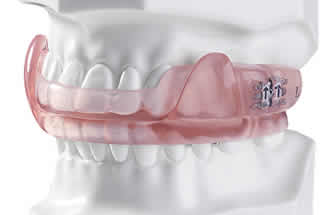
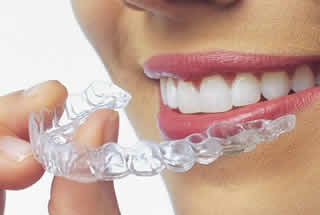
Your dentist may recommend wearing an over-the-counter or custom mouthguard at night, to protect your teeth from further damage. Medications usually are not helpful, although a muscle relaxant before bed may help prevent jaw clenching. The ideal treatment is to try to reduce or eliminate stress that may be contributing to your teeth grinding. Relaxation therapy, stress management, corrective exercises, and counseling are some of the options that dentists suggest to help you remedy the problem.
Schedule your appointment at our Toronto dental office
If you are currently a denture wearer, you know that dentures can be problematic when it comes to eating a wide variety of foods, especially those foods with a very crunchy or chewy texture. Dentures can click or move when you are eating, or food debris can collect underneath, leading to poor fit and irritation of the soft palate and gums. Over time, if your dentures aren’t properly cleaned, this can lead to an odor in the dentures that causes bad breath for the wearer.
Issues with stability and retention of standard dentures mean that many wearers have food restrictions, including healthful and fresh foods they previously enjoyed with their healthy natural teeth. Some of the most nutritious foods available are problematic for denture wearers, making chewing difficult. Because so much of the digestion process begins in the mouth with the mastication of food, poorly chewed food can cause digestion difficulties and eventually be a factor in overall poor health.
Standard dentures can also affect the enjoyment of eating the foods that are allowed. They can be bulky, especially on the roof of the mouth, taking away a large part of savoring the texture and flavor of foods.
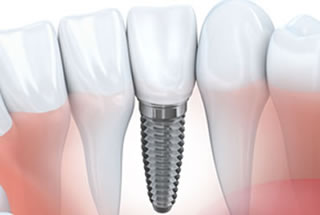
Hybrid dentures address all of these issues. They are crafted so that the roof of the mouth remains completely open and uncovered. Texture and flavor are enhanced over typical dentures. Hybrid dentures are affixed firmly with four or more dental implants functioning as anchors. These denture anchors are extremely secure and stable, giving the wearer the confidence to eat, drink, and speak.
Talk to your dentist today to see if hybrid dentures can improve your life. Experience the positive effects of hybrid dentures as your put your best smile forward with confidence that it looks and functions virtually identically to your natural teeth and gums.
Our dental office is located in Toronto


 E-Mail Us
 416-595-5490