The changing seasons can prompt many people to want to change their appearance, perhaps through treating themselves to a brand-new smile. Your dentist in Toronto can provide a number of different dentistry and restorative treatments to help provide a beautifully healthy and natural looking smile.
Cosmetic and Restorative Options
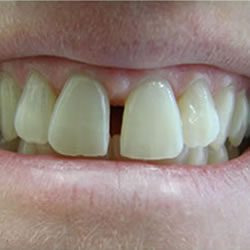
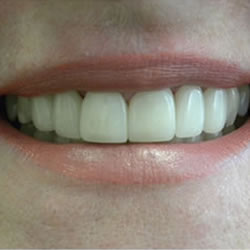
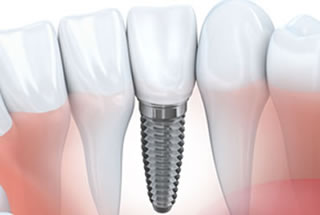
Modern dentistry techniques are extremely sophisticated and your dentist can do a lot to improve your smile. Possible options include porcelain veneers that cover the front surfaces of your teeth, crowns to restore teeth damaged by tooth decay or trauma, dental bonding that helps improve the shape of the tooth in just one easy visit, and enamel reshaping to correct minor issues such as slightly overlapping teeth. Dental implants can be used to replace missing teeth, transforming a gappy smile into something far more pleasing.
Teeth Whitening
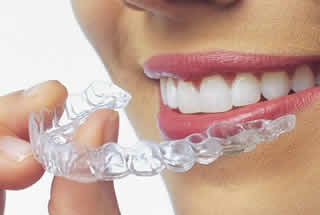
Professional teeth whitening can quickly brighten up your smile, creating a youthful and healthy appearance. Your dentist in Toronto can offer you in-office whitening that will lift the shade of your teeth in just an hour. If you prefer, you can have custom made whitening trays to use at home. Your dentist will provide you with the correct strength of whitening gel to safely bleach your teeth.
Teeth Straightening
It’s never too late to straighten your teeth and adult orthodontics is increasingly popular. Ask your dentist about Invisalign clear braces that will discreetly straighten your smile without really affecting day-to-day activities.
Checkups and Professional Cleanings
Your first step should be to schedule an appointment for a checkup and professional cleaning. Your dentist will need to examine your mouth to make sure your teeth and gums are healthy before carrying out any dentistry treatments. They’ll discuss the type of options that might help you, and can compile a treatment plan to improve your smile. A professional cleaning removes tartar buildup and gives your smile an added sparkle. It’s a great treatment for keeping teeth and gums healthy.
Schedule your appointment at our Toronto dental office
Straight, white smiles are in high demand, and choosing who is going to perform your smile makeover is not a decision to be taken lightly. The American Dental Association does not include dentistry as one of the eight specialties, meaning there are no legal restrictions against any dentist calling themselves a “dentist.” Therefore, it is vital to the success of your treatment to do research and find the best dentist to perform your smile makeover. When searching for a qualified dentist, consider the following:
- Ask your potential dentist about their cosmetic studies. Beyond dental school, a trained dentist should have taken postgraduate courses and training in the particular types of procedures you are seeking.
- Find out what organizations they belong to that focus solely on dentistry. The American Academy of Cosmetic Dentistry is the most notable, and offers an accreditation program that includes extensive continuing education and rigorous testing to ensure outstanding skills. Dentists who complete this accreditation are considered to be the very best in their field.
- Ask to see “before and after” photos of patients they have treated for smile makeovers. It is important you like the style and quality of the work shown in the photos before moving forward with your chosen dentist.
- Inquire about testimonials and reviews from patients who have been treated for cosmetic problems similar to yours. An internet search can also yield information and reviews from previous patients about the dentist you are considering.
- Find out how long the dentist has been practicing and which cosmetic dental procedures they most commonly perform.
- Ask about the technology in their office. Current dental technology is one way to determine the level of advanced care in a dentistry practice.
- Is the dentist and office staff friendly, helpful, and knowledgeable?
Be sure you feel comfortable and confident with your choice of a dentist before proceeding with a smile makeover. Making the best choice can mean enjoying years of a beautiful, bright smile.
Schedule your appointment at our Toronto dental office
If stains, gaps, or chips in your teeth have limited your smile potential, dental veneers can revive your vibrant appearance. Porcelain veneers will hide imperfections and create a flawless smile. Designed to mimic the translucency of tooth enamel, porcelain veneers produce beautiful, natural-looking results.
Custom Porcelain Veneers
Handcrafted to change the size, shape, or color of your teeth, traditional dental veneers are customized to fit your mouth. Your dentist will actually sit down with you to review your options and discuss style that you like. Using this information and impressions of your teeth, the doctor will design an individualized plan for your smile transformation. With traditional veneers, patients can attain the gorgeous smiles they desire in two to three visits.
Minimal-Prep Veneers
For a smile makeover with little or no enamel removal, consider minimal-prep veneers like Lumineers from Cerinate. Made from ultra thin layers of porcelain, these restorations can effectively renew your smile. Minimal-prep veneers can close space between teeth as well as create a more uniform appearance. Placement of minimal-prep veneers usually takes just one appointment.
Snap-On Smile
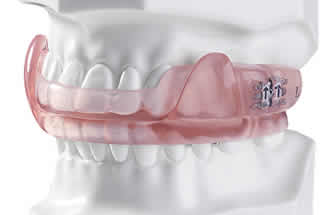
While updating their smiles, many people are selecting Snap-On Smile until their transformation is complete. Made of acrylic material, the Snap-On Smile fits over your teeth and generates a temporary fix until your restorations are complete. People often choose Snap-On Smile for weddings, graduations, or to try out possible changes before making permanent decisions.
A popular way to improve your smile by hiding embarrassing flaws is to get porcelain veneers. These thin shells are attached to the front surfaces of your teeth, and can stay looking natural and appealing for a lifetime with proper care. Here are some guidelines for maintaining your dental veneers.
Staining
Porcelain veneers are resistant to staining, so you have a good chance of keeping a bright smile. However, the bonding cement used to attach them to your teeth can become discolored. Ask your dentist about using stain resistant bonding materials when attaching your veneers.
Brushing
Brush your tooth at least twice a day to get rid of plaque, food particles, and potential stains. Use a soft toothbrush and non-abrasive toothpaste. Brush your gum lines where food can accumulate and damage your porcelain veneers. For efficient cleaning without being too harsh on your veneers, consider using an electric toothbrush.
Flossing
Ask your dentist to demonstrate proper flossing techniques so that you don’t use too much pressure and chip your veneers. However, do not neglect flossing at least once a day.
Eating
Avoid foods and drinks prone to staining your teeth, and do not bite on extremely hard items because that can chip your veneers.
Having checkups
Maintain regular checkups with your dentist at least twice a year to make sure your veneers and overall oral health remain in good condition.
We treat patients from Toronto and the surrounding area
Often, advertising for dentistry focuses on women. Photos in magazines and on Web sites show attractive females with gorgeous smiles. Although these campaigns often target women, men can benefit from dentistry too.
Professionally and personally, men have just as many reasons as women do to look their best. Your smile is one of the first things people notice about you. Having a vibrant, white smile can create a perception of self-assurance, intelligence, and warmth. Men who have cosmetic dental enhancements can enjoy the benefits of looking younger and feeling more confident.
Though you can opt for a total smile makeover, you don’t have to change everything to update your appearance. For a minimal investment, teeth whitening can make you look years younger. If you want to straighten teeth, talk with your dentist about Invisalign clear braces. Porcelain veneers can cover imperfections on front teeth and reveal a gorgeous, new image.
Not only can rejuvenating your smile boost your confidence, but it can also improve your oral health. Crooked teeth are actually harder to clean, which can lead to gum disease or decay. As well, small cavities can lead to the need for crowns or root canals if left untreated.
To enhance your smile, first find a dentist you can trust. Talk with friends, relatives, and colleagues to get recommendations. Once you find the right person, schedule a consultation so that you can meet with the doctor and share your ideas. Why wait any longer to enjoy a sensational smile?
Our dental office is located in Toronto
Regardless of what aspect you dislike about your smile, there are dentistry procedures to treat them. Smile makeovers are possible to give you the look you’ve been wanting. Not only do they enhance your smile, but they also boost your confidence. You may not know all the options and the problems they address. So here’s a list that can help you decide which of them is relevant to you.
Tooth discoloration
Teeth can easily become discolored from poor hygiene due to consuming foods and drinks such as coffee, red wine, berries, and tea. Smoking is a big culprit for tooth discoloration. Teeth whitening is the most common way to brighten your smile, and various methods are available either at home or professionally.
Misalignment
Teeth that are crowded or malaligned are not only unappealing; they can also make oral hygiene management more difficult and cause added stress on your jaw. Traditional braces, clear methods like Invisalign, crowns, and porcelain veneers are various ways misalignment might be treated. Discuss with your dentist that of those options is best for you.
Gaps
Spaces between your teeth can be embarrassing socially, as well as detrimental to the function of your teeth. Braces or Invisalign are excellent ways to correct gaps. Veneers are another option depending on how large your gaps are. Those are alternatives to cater for your budget.
Gummy smile
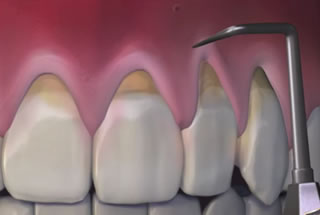
Excessive amounts of your gums show when you smile can create what is known as a gummy smile. Treatments may include gum sculpting, veneers, crowns, braces, or surgery.
Missing teeth
Smile restoration can be done with dental implants, bridges, or dentures. Each of these solutions has their good and bad aspects. Therefore, consult your dentist for advice before deciding on it.
Worn-down teeth
If untreated, worn teeth can cause tooth loss or dental health problems. Teeth that are damaged can often be restored with either veneers or crowns.
We look forward to seeing you in our Toronto dental office


 E-Mail Us
 416-595-5490