Age, bad habits, and food and drink choices can all add up to be hard on our teeth. If you are unhappy with your smile and wish you could improve it, consider cosmetic dental procedures. Cosmetic dentistry offers a variety of options for restoring your smile.
Teeth whitening
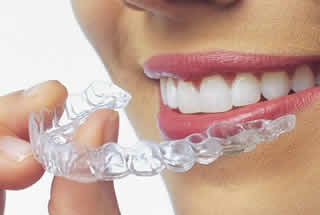
One of the most popular cosmetic dental procedures, teeth whitening can either be performed at your dentist’s office or at home. Methods used by your dentist work quickly and can provide dramatic results, but many patients are very pleased with home methods as well. Home treatments may be as simple as using products you purchase at your drugstore, or your dentist can provide customized bleaching trays for home use.
Bonding
Tooth-colored resin can be applied to your teeth to correct chipped, broken, stained, or decayed teeth in a single dental visit. The resin is molded onto the surface of your damaged tooth, shaped, and then polished to match your other teeth.
Veneers
If you’re looking for a long-lasting and stain resistant solution to damaged teeth, porcelain veneers are a good choice. These thin custom shells are adhered to your teeth to cover them so that they provide a beautiful smile.
Composite fillings
A material called composite resin is used to restore decayed teeth or to reshape your teeth to improve their appearance. Composite fillings can correct minor imperfections like a chipped tooth, or it can restore a whole tooth like a molar to a fully functional tooth.
Inlays and onlays
For large cavities or cracks in your back teeth, inlays and onlays may be used instead of fillings. These tooth-colored restorations are created in a laboratory, and then adhered to your teeth so they fit perfectly.
Cosmetic dentist in Toronto
When you look your best, you exude confidence and grace. A vibrant, white smile can add to the image you convey. Cosmetic dentistry has risen in popularity because it allows people to transform their appearances. Make an appointment with your dentist in Toronto for a consultation to discuss your smile enhancement options. While some patients choose a complete smile makeover, any of the following procedures can take your smile from dull to dynamite.
Teeth Whitening
The aging process as well as lifestyle choices can dull your smile. With teeth whitening, you can remove stains and look years younger. Most dentists recommend professional teeth whitening, which you can accomplish through in-office sessions or take-home kits.
Bonding
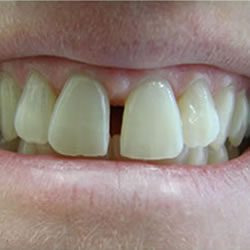
If you have small chips, gaps, or cracks in your smile, your dentist may suggest dental bonding. To repair the damaged area, your dentist will use a tooth-colored resin, which is hardened with a special light. Dental bonding blends in with your natural teeth and restores the look of your smile.
Porcelain Veneers
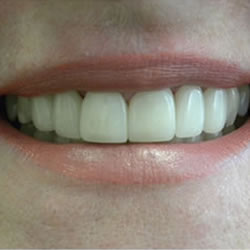
Created from fine dental porcelain, veneers can totally change your appearance. With porcelain veneers, your dentist can alter the size, shape, and color of your teeth. Depending on your situation, the doctor may suggest custom veneers designed just for your smile, or no-prep veneers, which can be bonded to your teeth but removed at a later time.
Composite Fillings
Over time, metal fillings can crack and seep, causing oral health problems, as well as impacting your smile’s appearance. Tooth-colored fillings are constructed to match your original teeth so they blend in seamlessly. Because they bond to the tooth, composite fillings won’t change shape or leak.
Accelerated Orthodontics
For straighter teeth in three to nine months, consider accelerated orthodontics. Usually, accelerated orthodontics works best for people with mild issues to correct or for those who want to straighten front teeth for an important event like a wedding.
Movie stars and celebrities often have stunningly beautiful smiles that immediately catch your eye. In recent years dentistry has become far more popular, and many people want to emulate the smiles of famous people to help boost their self-confidence and self-esteem.
Your dentist in Toronto can transform a perfectly ordinary smile into something spectacular, often using a combination of techniques. A smile makeover can involve teeth whitening, tooth colored fillings and porcelain veneers, and a skilled and experienced dentist will restore damaged teeth, rebuilding a smile. Patients can invest as much or as little as they wish in updating their teeth.
When deciding on a smile makeover, it can help to define your idea of a perfect smile. Think about particular characteristics of your teeth you would like to change, for example teeth that are crooked or which have spaces in between them. Could your teeth look a little whiter?
Popular dentistry treatments can include:
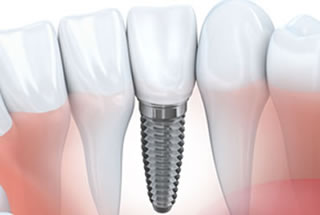
- Dental implants to replace missing teeth
- Invisalign clear braces to discreetly straighten teeth
- Porcelain crowns and fillings to replace old restorations
- Porcelain veneers to create a uniformly stunning smile
Deciding how you’d like to improve your smile will give you a good starting point for treatment. You can discuss your goals during your initial meeting with your dentist in Toronto, and they can describe possible treatment options. Many people collect photographs of smiles they admire, and this can be helpful for your dentist to compile your treatment plan. Just remember everyone’s smile is unique, and treatment will be customized to fit in with your facial features, skin tone, gender and age.
If you need a dentist in Toronto contact us today
Does your smile need some work? Are you sensitive about your teeth and how you may look while you eat or drink? Does speaking in public leave you anxious because you’re worried about the appearance of your teeth? Have you been putting off talking to a dentist because you’re worried about the dental therapies you might need? Don’t be afraid of a smile makeover! A smile makeover can be a simple thing, as minor and fast as teeth whitening, a process that can often be completed in-office in a single visit.
If you are looking for solutions to your smile problems, begin by finding a skilled dentist. You want to be sure to see photographs of some of the actual work done by a particular dentist. Don’t assume that what you see online are actual patient photographs – they may be someone’s patients, but if they weren’t this dentist’s patients, you’re not getting any closer to identifying the right dentist for you.
Ask around for private recommendations from friends and family; it might surprise you how many people you know have had work done to their smiles. You might assume that your coworker’s smile is all natural, only to learn it’s the result of a skilled dentist and veneer work done so carefully and well that they look just like natural teeth.
Dental veneers can transform your smile in only a few visits. Good veneers will be made of materials that mimic the color and translucency of natural teeth. They won’t look puffy, too long or artificial and will complement your hair and skin color. Orthodontia can change the alignment of your teeth, with choices such as Invisalign to help you feel more confident as you change your smile.
A smile makeover can benefit you in so many ways by simply boosting your self-confidence. After you complete your treatment, you will be surprised at how much better you feel about yourself and about life in general. You will face the day with confidence, knowing you can live your life without worry about your smile.
Dr. Cruz is a dentist in Toronto offering smile makeovers.
If you are unhappy with your smile, porcelain veneers are a dentistry option that can provide you with flawless teeth. Veneers are a very popular way to improve your appearance without a major, invasive procedure. Here are some things you should know about porcelain veneers if you are considering them as a solution for an imperfect smile.
Difference between veneers and crowns
The purpose of veneers is to restore your smile, and your original teeth are not removed or altered. However, a large part of the original tooth structure is removed with crowns in the process of building a new tooth. If you’re seeking a minimally invasive option, veneers may be your answer.
Natural appearance
Veneers are customized just for you, so your smile can be personalized to meet your desires. Your teeth will look natural and healthy. Porcelain is translucent and provides a realistic look to your smile. Also, stains do not stick to porcelain and even if there is any small staining, it can be easily polished off during a dental cleaning.
Permanent solution
Veneers are a permanent tooth restoration, so make sure you are happy with the color and shape before they are placed using dental cement. Alterations cannot be made once the veneers are in place.
Requires healthy teeth
A thorough examination by your dentist is required to determine if veneers are right for you. Some oral conditions do not work well with veneers, so your dentist will make sure your teeth and mouth are healthy enough to work successfully with veneers.
Cosmetic Dentist in Toronto
How much do you really know about your mouth? Most people understand basic brushing and flossing, but they may not realize the myriad of factors that influence dental health. Knowing how your lifestyle impacts your teeth and gums can help you make the best choices to protect your smile.
True or False: You don’t need to floss every day.
Answer: False. Brushing alone won’t protect your mouth from decay or gum disease. Floss gets hard-to-reach areas, cleaning out the plaque and bacteria that wreak havoc on your oral health.
True or False: Taking care of your tongue is important, so you should brush it regularly.
Answer: True. The tiny bumps on your tongue called papillae trap food and bacteria, which can cause bad breath. Brushing twice a day will keep your breath smelling great.
True or False: Soft drinks and sports drinks don’t damage teeth.
Answer: False. These beverages, as well as red wine and fruit juices, can lead to enamel erosion. It’s best to stick with water, but if you consume these drinks, rinse your mouth when you finish.
True or False: It’s okay to put your baby to bed with a bottle of juice or milk.
Answer: False. When you let your baby or toddler fall asleep with anything but water, you increase the risk of baby bottle tooth decay. This condition occurs because of prolonged bottle feeding, usually during sleep. Young children don’t have good plaque removal, so these beverages provide a breeding ground for bacteria.
True or False: Fluoride reduces decay 20 to 40 percent.
Answer: True. Drinking water with fluoride strengthens tooth enamel and also reduces the amount of acid that the bacteria in your mouth produce. Since fluoride was added to the drinking water supplies across the country, childhood cavity rates have dramatically dropped.
Schedule a dental cleaning appointment today at our Toronto dentists office.


 E-Mail Us
 416-595-5490