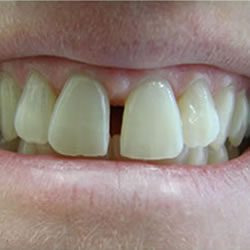
It can be rather upsetting to see that your smile is no longer as bright and appealing as it used to. Most people’s teeth become stained and discolored and result of diet and poor oral hygiene habits. It can make the whole appearance look dull and unkempt, giving others the impression you don’t take good care of yourself. Let’s find out the causes and what you can do about it.
Causes
There are some reasons that teeth become stained or yellowed. The culprits for tooth discoloration are as follows:
- Tobacco – Smoking or chewing on them stains teeth.
- Foods and drinks – coffee, colas, wines, tea, berries, sauces, and other items that you consume can damage your tooth color.
- Medications – certain medications are known to discolor teeth, sometimes causing severe stains that are difficult to remove.
- Poor oral hygiene – improper brushing and flossing is key in removing plaque and stains.
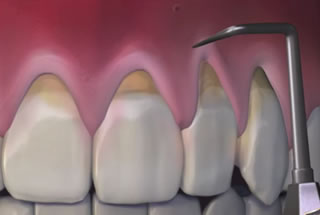
- Age – aging wears away tooth enamel and reveals the yellowish dentin underneath.
- Disease – some diseases can harm tooth enamel and trigger discoloration. Certain medical treatments like radiation and chemotherapy can also discolor teeth.
- Environment – excessive fluoride exposure can stain teeth; this is known as fluorosis.
- Genetics – some people are more prone to tooth discoloration than others.
- Trauma – a hit to the maxillofacial region can damage the tooth and cause discoloration due to pulp necrosis.
Prevention
Lifestyle changes can prevent tooth discoloration, such as avoiding foods and drinks known to stain teeth. Improving oral hygiene is another step in the right direction, including regular brushing and flossing and consistent professional teeth cleanings.
Treatment
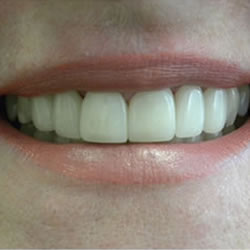
The options vary depending on the severity of discoloration and goals of the patient. Whitening methods include over-the-counter whitening products, at-home whitening kits provided by the dentist, professional in-office whitening treatments, bonding, and dental veneers. These tools cater for various needs according to patient’s concern.
Our dental office is located in Toronto
A beautifully white smile is often perceived as a sign of youth and vitality, but over time it can gradually fade. Eating certain foods or drinking dark-colored beverages, taking particular medications and simply aging can all take its toll on your teeth. It’s hardly surprising that tooth whitening has become one of the most popular cosmetic dental procedures in recent years. Professional teeth whitening is safe and effective and can quickly rejuvenate your smile. If you’re thinking about whitening your teeth, there are several options to choose from which include:
In-Office Whitening
In-office teeth whitening is hugely popular, as you can literally book a lunch time appointment and leave with a dazzling white smile. Surface stains can quickly be eliminated, and teeth can be brightened by up to eight shades in just an hour. This option is the most expensive, and you don’t have much control over the final results. Your dentist in Toronto will activate the bleaching gel with a special light so the final result should be a stunning white smile.
Custom-Made Take-Home Teeth Whitening Kits
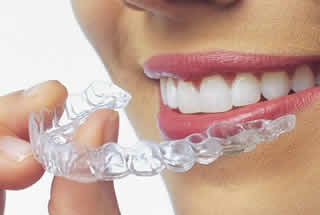
Not everyone wants to whiten their teeth so quickly, and custom-made whitening trays enable you to safely bleach teeth in a more controlled manner. Your Toronto dentist will take impressions of your teeth that are used to fabricate custom-made whitening trays. You’ll be shown how to use these trays, and should wear them for as long as directed. Most people will begin to notice real results within a few days, but they generally need to be used for two or three weeks to achieve optimum effects.
Over-The-Counter Teeth Whitening Kits
Over-the-counter whitening kits come in the form of trays and whitening strips and can cost between $20 and $50 so it’s tempting to think they will save you money. However the bleaching gels contained in these kits are not as strong as those available to your dentist. In addition, there’s the possibility these kits could irritate your gums as ill-fitting whitening trays can allow the gel to leak out.
If you need a dentist in Toronto contact us today
Having a bright, beautiful, white smile is something we all desire. It signals health and prosperity and leaves the best possible first impression a person can make. There are a host of products at the drug store that label themselves “whitening.” Whitening toothpastes, whitening mouth rinses, whitening strips, gels and creams all line the shelves, promising a “new you!” Your dentist, however, offers something labeled as “bleaching.” So what’s the difference? Which should you choose?
Your natural tooth is made up of two specific layers: enamel and dentin. The enamel layer is on the outside of the tooth. It’s the white part we see when someone smiles. It’s hard and heavily mineralized and can appear like porcelain. The dentin is the inner layer. It’s yellow in color and supports the enamel on the outside. Over time, your enamel naturally wears away and the yellow dentin color can begin to show through.
The term “whitening” is applied to any product that helps restore teeth to a natural color by removing debris and stains from a natural tooth’s surface. Any substance that restores the surface of a tooth’s enamel is a whitening product. Many whitening products contain a mild abrasive that removes leftover discoloration and food particles, leaving the enamel of the tooth smooth and white. Teeth whitening products combat stains caused by ageing and the discoloration left by many foods, or by smoking.
The FDA permits the term “bleaching” only for products that can whiten a tooth beyond their initial, natural color. Bleaching products contain active ingredients such as carbamide peroxide or hydrogen peroxide. The peroxide is activated so that it releases oxygen molecules that enter the tooth enamel and break down stains in a way that whitening products cannot. This activation can occur immediately, in the case of some in-office bleaching products, like laser whitening, or it can take several hours, as it can with custom take-home bleaching trays.
If you are considering brightening your smile, talk to Toronto teeth whitening dentist Dr. Cruz to see what product is best suited to your smile needs!
If you live in the Toronto area contact us today
More than 12 million Americans suffer from sleep apnea, a serious condition that compromises your rest and can impact your health. Some symptoms of sleep apnea include snoring, extreme daytime tiredness, mouth breathing, and irritability. Obstructive sleep apnea (OSA) is the most common type of sleep apnea. Central sleep apnea, much less common, happens when the brain fails to signal your breathing muscles.
Characterized by short episodes of not breathing, which can occur from five to 50 times a night, obstructive sleep apnea is caused when the muscles in your throat relax and your airways become blocked as you sleep. Your brain senses the lack of breathing and wakes you briefly to restore airflow. These episodes disrupt sleep and keep you from feeling rested.
Not only does sleep apnea keep you from getting a good night’s rest, but it can also put your health at risk. Untreated sleep apnea has been linked to high blood pressure, risk of stroke, memory impairment, and weight gain. As well, your sleep partner may not get enough sleep because of your snoring and/or waking episodes.
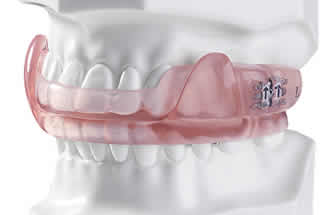
If you suspect sleep apnea, talk with your dentist, who may recommend a sleep evaluation. Through overnight monitoring, a sleep specialist can determine if you suffer from sleep apnea. Treatment for sleep apnea may include lifestyle modifications such as weight loss, a continuous positive airway pressure (CPAP) mask, or an oral appliance. Your dentist can fit you for night guard that will hold your jaw in the correct position to keep your airways open.
We treat patients from Toronto and the surrounding area
Sedation dentistry is designed mainly to focus on patients experiencing fear and anxiety related to dental treatment; however, it is also an excellent choice for other patient types. Following are the main groups who experience relief and comfort from sedation dentistry:
- Patients experiencing anxiety and fear or a dental phobia
- Patients possessing an acute gag reflex
- Patients who have special needs
- Patients with physical issues that affect movement
- Anxious or fearful pediatric patients
Dental professionals want a patient to be as stress-free as possible immediately prior to and during a dental visit. Relieving anxiety and fear can turn an unpleasant, stressful experience into a comfortable visit, resulting in a desire to continue dental health and hygiene by returning for regular examinations and procedures.
An acute gag reflex can leave a patient concerned about vomiting during a dental procedure; in fact, many procedures such as taking impressions or working on the back teeth may be impossible. Sedation dentistry helps patients greatly reduce this gag reflex issue, as it is often exacerbated by anxiety and fear.
Patients who have special needs related to autism, Down Syndrome, or a mental or emotional problem may have real difficulty during dental visits. Other patients may deal with physical conditions such as cerebral palsy, Parkinson’s disease, or other disorders of the central nervous system. Patients in this group may have difficulty following instructions or remaining still. Sedation dentistry solves issues of involuntary muscle movements, allowing the dentist to safely and quickly complete treatment.
Fearful children can be problematic for dentists. Children who cannot be still, comply with instructions, or stop crying can cause time-consuming safety issues. Sedation dentistry allows a dentist to perform treatments without physical restraints that could cause emotional trauma to the child, leading to adult dental phobias and fears.
Visiting the dentist and caring for your dental health should be comfortable. Contact our dental office to see what can be done to make your visit as stress-free as possible using sedation dentistry in Toronto.
Sedation dentistry allows patients with dental anxiety to undergo procedures painlessly and without fear. While dental sedation is considered extremely safe, any time a patient is undergoing anesthesia there are risks associated with the procedure. The first and most important step in ensuring the safety of dental sedation is to find a qualified and appropriately trained sedation dentist. It’s important to ask how many sedation procedures your dentist has performed, as well as they type of training they have received.
Once you have identified an experienced sedation dentist, they will determine if you are a suitable candidate for sedation. Patients who are obese or have other conditions such as obstructive sleep apnea are more prone to complications from anesthesia and may not be viable candidates for sedation. Your sedation dentist should review your general health and medical history to determine if you are at a higher risk for complications while under sedation.
Discuss with your dental professional the type and amount of sedation you will be receiving. Your sedation dentist should provide you with information about the risks of the procedure, and be available to answer any questions or concerns you have about the planned sedation. Finally, your vital signs should be monitored during sedation, and your dentist should have oxygen and drugs that reverse the sedation effects available during the procedure.
When properly administered by an experienced sedation dentist, dental sedation can be a safe and effective tool for managing your dental anxiety. Sedation dentistry allows you to receive the oral healthcare you need without pain or undue stress.
If you are considering sedation dentistry in Toronto, contact our office today to schedule a consultation.


 E-Mail Us
 416-595-5490