As much as you hope it doesn’t happen, dental emergencies can sneak up on you. Some clinics offer emergency dental care to provide quick, effective, and safe treatment. It’s important to know what kinds of dental problems require urgent care, as opposed to those that can wait until you can get a regular appointment with your dentist. Here are some common types of emergencies that warrant immediate treatment.
Severe toothache
A painful toothache that won’t go away should not be ignored. These can occur suddenly, be confined to a single area, cause pain when eating, and also involve your gums. Symptoms like these may indicate an abscess, which can also lead to facial swelling. Sometimes your airway can even become blocked. A severe toothache requires immediate relief, and therefore is considered a dental emergency.
Excessive bleeding
If you have oral bleeding from something like losing a tooth and you can’t get it under control, you need to see an emergency dentist. Normally when a tooth falls out, the bleeding will stop after a few minutes. If the blood won’t clot for some reason, or if there was severe trauma, excessive bleeding can occur. A dentist can help stop the bleeding by applying pressure, using a hemostatic agent, or even using stitches.
Fractured teeth
Infection may occur when a tooth is fractured, especially if the break goes deep into a permanent tooth, so immediate care is necessary. An emergency dentist will apply dentine padding to the affected area, so that you can visit your own dentist the next day for further treatment.
Surgery complications
If you have had oral surgery and the pain is more severe or lingering than your dentist anticipated, you should seek treatment immediately to make sure complications like a dry socket or jaw fracture hasn’t occurred.
If you have a dental emergency, contact our Toronto dentists office.
Preserving the bone in your jaw and face is of utmost importance to your dentist, and as such, treatments that preserve bone are preferred over those that lead to bone shrinkage, known as resorption.
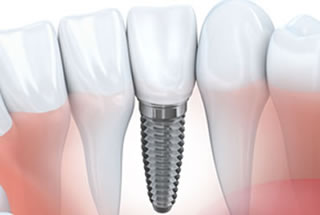
Dental implants preserve bone by mimicking the tooth’s natural roots, stimulating and preserving the bone. As part of the healing process following surgical placement, the jawbone fuses directly to the implant. Most often made of titanium, dental implants provide a very stable foundation for a replacement tooth. This foundation is so stable that it can serve as an anchor point for dental bridgework and will feel, look, and function as your natural tooth would.
The process of implant to bone fusion is known as “osseointegration.” Fusion is primarily dependent upon the quality of bone surrounding the implant, and can be achieved in three to nine months following dental implant treatment. Excessive smoking or drinking can stunt the healing process and lead to complications.
Because bone resorption is prevented with dental implants, your facial structure will not collapse and your facial shape will not change. Missing teeth that are replaced by implants avoid other problems commonly associated with tooth loss, including other teeth shifting into the open spaces created by the missing teeth, and functional problems with the jaw joints and bite alignment.
Once a tooth is extracted or falls out, a great deal of the bone in the area will shrink, or resorb over the coming year. Shrinkage occurs in a horizontal as well as vertical dimension. Most resorption occurs within the first two to three months following tooth loss. When a dentist replaces that tooth immediately with a titanium dental implant, the bone fuses around the implant, significantly reducing bone shrinkage.
Dental implants are the only restorative treatment that preserves and maintains bone. Dentures and partial dentures can accelerate the process of bone shrinkage as a result of pressure on the underlying mouth structures as you talk or eat.
If you live in the Toronto area contact us today
To improve the success of your dental implant surgery, there are a few guidelines you can follow during your recovery process. Diet is one of the most important factors to consider to ensure your implants heal properly.
Initially, you should not eat or drink hot foods for 24 hours after surgery as the heat could open the wound and cause an increase in bleeding. Avoid foods that may cause trauma to the gums or disrupt the implant, including the following:
- Hard foods such as candies, pretzels, nuts, and crunchy vegetables
- Chewy foods that require more than a couple of rounds of chewing such as rolls, gummies, hard fruit, and gum
- Foods that could stick in teeth or leave particles behind such as popcorn, seeds, and chips
- Foods or drinks that contain citric acid, such as oranges or grapefruit
Carbonated beverages
A soft diet is recommended for approximately two weeks after implant surgery to allow the gum tissue to heal. It is especially important to stay hydrated by drinking plenty of fluids, although you should strictly avoid the use of a straw for at least 48 hours post-surgery. Suggestions of ideal food and drinks after implant surgery would be:
- Cooked cereals such as cream of wheat or oatmeal
- Yogurt
- Scrambled eggs
- Cottage cheese
- Broth, bouillon, or soups
- Ground beef, baked or broiled fish, or baked or stewed chicken
- Macaroni and cheese
- Baked or mashed potatoes
- Soft bread
- Puddings, milkshakes or ice cream
- Water, milk, coffee or tea
Patients who maintain a healthy diet of soft foods feel better and heal faster after dental implant surgery. Following these guidelines will help to ensure the quickest and most successful recovery from your implant surgery.
Contact our Toronto dental office today to learn more about dental implants options.
Do you suffer with chronic headaches or migraines? Do you hear your jaws click or pop? If you answered yes, you could be one of the millions living with TMJ dysfunction (temporomandibular joint dysfunction). Problems with TMJ dysfunction can generate a host of painful symptoms and negatively impact your well being.
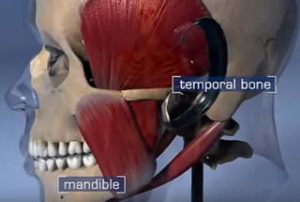
The TMJ joints hold the lower jaw to the temporal bone and allow routine jaw motion. When these joints are misaligned, associated muscles are strained and discomfort can occur. Stress, heredity, certain habits, and a number of other factors can contribute to TMJ dysfunction.
If you think TMJ dysfunction is a problem for you, contact your dentist. The doctor will complete a thorough exam and then make treatment recommendations. Dr. Yolanda Cruz offers Joint Vibration Analysis (JVA), which records the vibrations that occur during jaw movement. This gives Dr. Cruz a better understanding of the TMJ function before and during the creation of a dental appliance or oral splint. Other treatments include physical therapy, stress reduction, rebuilding damaged teeth with restorations, or habit changes to relieve TMJ symptoms.
These tips may help you deal with your TMJ dysfunction:
• Apply warm compresses to the area, which may reduce inflammation and soothe discomfort.
• Consider meditation to slow breathing, help you relax, and alleviate uncomfortable symptoms.
• Find an effective way to handle stress. A calming bath, long walk, or yoga class may ease your anxiety and reduce triggers for flare ups.
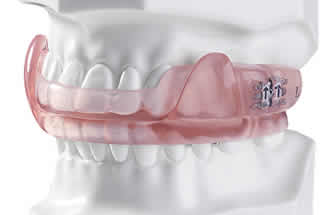
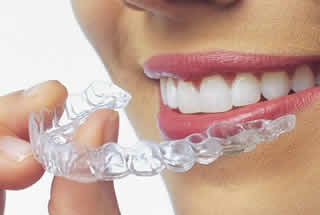
• Talk with your dentist about a mouth guard. An oral splint can keep your jaw in the proper position so that the chewing system doesn’t become strained.
• Join a support group. Talking with others who have similar experiences can give you a safe place to share your feelings and find comfort.
TMJ Dentist in Somerville MA
There are various specialties within in dentistry, and one of them is family dentistry. You may not be familiar with this term and the reasons to consider finding this type of dentist for your own family. Here are some advantages to family dentistry.
Simplified dental visits
Having the entire family going to the same dental office makes things easy. Kids and parents alike go to the same location, and you’ll also be able to get most of your dental services all at one place. One provider usually offers the work you need, from cleanings to fillings to extractions.
Quality care
When you find a family dentist who you like and trust, you will be confident that you are receiving quality care all in one place. There won’t be a need to change from one professional to another, not knowing the level of care you’ll be getting at each type of provider. Find one qualified family dental practice you like and stick with it for your whole family.
Flexible service
Many family dentists take into account the busy schedules of their patients. These practices often provide expanded office hours, and sometimes even appointments on weekends. It is not uncommon for family dentists to offer 24-hour emergency service too. When you have an accident at an inconvenient time of day, or a severe toothache that sneaks up during the night, some family dentists are available to help right away.
Dentistry for all ages
Seeing a dentist who treats patients of all ages means that young children can go for even their first checkup, teens can be evaluated for orthodontic needs, and adults can seek cosmetic treatment such as teeth whitening. Older family members can be seen for dentures or other restorations, and root canals are an option as well. It is a great benefit of family dentistry to be able to go to one location and dentist for the needs of every family member.
Family dentist in Toronto
A need for oral surgery may arise from things like disease, trauma, or cosmetic improvements. No matter the reason for oral surgery, it is helpful to know what to expect afterwards.
Instructions
Your dentist or oral surgeon should provide a list of instructions to follow after surgery. The specific directions depends on the type of surgery you have, but often it includes guidelines for what you can and can’t do, how to handle pain or other side effects, oral hygiene directions, and what might warrant a call to the dentist. You should follow the instructions carefully for the best surgery results.
Pain
Some amount of pain is normal after just about any type of surgery, and oral surgery is no exception. Once the anesthesia has dissipated, you might experience some level of pain. Most of the time, it is mild and can be treated with over-the-counter pain medications such as ibuprofen. Warm or cold compresses may also be helpful, so ask your dentist if that is appropriate. If pain lingers after a couple of days following surgery, consult your dentist for advice.
Bleeding
Light bleeding is also normal after oral surgery. Avoid touching the area with your fingers or tongue, so that it can clot properly. If bleeding persists longer than your dentist expected, call to ask if anything should be of concern.
Swelling
Initial swelling is to be expected in many types of oral surgery. The area may look puffier than usual or you might have limited movement. To decrease swelling, apply a cold compress to the area. Do not apply heat, because that can make swelling worse. It is not unusual for swelling to last a few days after surgery.


 E-Mail Us
 416-595-5490