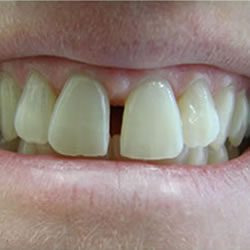
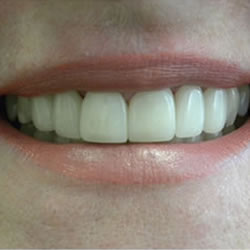
Are you embarrassed by your smile for some reason? If so there’s no need to go through life being afraid to laugh and talk with others. There’s a real possibility that your smile could be transformed through using the latest dentistry techniques. Your dentist in Toronto can use numerous different procedures which can range from teeth whitening and adult orthodontics, to dental implants for permanently replacing missing teeth. Modern technology can help give you the smile you’ve always wanted.
The benefits of having a smile makeover can include the following:
Increased Self-Confidence
If you feel self-conscious about smiling and talking with others it can affect your willingness to socialize, and may even impact your career prospects. A smile makeover can restore your self-confidence and will boost self-esteem. You’ll find it will be much easier to communicate with others, whether in social or business oriented situations.
Lower Anxiety Levels
Many people feel quite stressed about having less-than-perfect teeth, and a smile makeover can reduce anxiety levels. Smiling is an important way of communicating, and studies have shown it can help reduce symptoms of anxiety such as poor digestion, high blood pressure and blood sugar imbalances. A smile makeover with your dentist in Toronto could help boost your physical and emotional health.
Improved Mood
Smiling makes you feel better, and you’ll find other people respond differently to you. A person with a nice smile is perceived as being open, warm and friendly, and those close to you will quickly notice the difference.
You’ll Enjoy Having Your Photograph Taken
There will be no need to worry about having your photograph taken and having to smile with a closed mouth. Your beautiful new smile makeover can be recorded for posterity in all those photographs with family and friends.
Cosmetic dentistry is the name for any dental work that improves the aesthetic appearance (but not always the function) of a patient’s teeth, gum tissue, or bite alignment. While the American Dental Association does not currently recognize dentistry as a specialty area of dentistry, both prosthodontists and orthodontists focus primarily on dental cosmetics and are skilled and knowledgeable about the dentistry options available to their patients. While some improvement options are purely cosmetic, many of these treatments can improve other oral problems, such as the alignment of your bite.
Cosmetic dental procedures may include bonding, dental crowns, dental bridges, porcelain veneers and gum grafts, or the removal of the tooth structure or the gum tissue. It can also include teeth whitening and the depigmentation of the gum tissue. Braces are considered a cosmetic dental procedure, as they couple the straightening of the teeth with improvements to the aesthetic appearance of the face as a whole.
Your dentist can perform a variety of procedures to improve the look of your smile. Whitening can provide a simple yet dramatic change, while porcelain veneers can accomplish major repairs and reconstruction. Chipped or misshapen teeth can be improved with shaping or bonding. There are cosmetic solutions to worn or short teeth, as well as for missing or seriously decayed teeth..
Talk to your dentist to get answers to any questions you have about improving your smile and oral health. Depending on the condition of your natural teeth and the depth of the work you would like to have done, your dentist will give you the best advice to achieve your tooth goals.If you are considering a cosmetic dental procedure, you can ask three simple questions:
- What will my new smile look like?
- What can I expect before, during, and after the dental procedure?
- How will I best maintain my new smile?t
Getting the answers to these three questions will enable you to move forward toward the bestlooking, healthiest options for your teeth and continued oral health. Don’t wait to have the smile of your dreams.
Cosmetic Dentistry Toronto
From baby teeth to dentures, a dental professional who specializes in family dentistry can provide your family with convenient and comprehensive oral care. Busy families can find a multitude of services including dental checkups and teeth cleanings in a practice that offers inclusive care to patients of all ages. Unlike a dentist who specializes in specific age groups or conditions, your family dentist can provide care to your entire family.
A family dentist focuses on preventative care, to ensure everyone in your family maintains a strong and healthy smile. Because it is easier to prevent health issues than repair them, the American Dental Association (ADA) recommends a dental cleaning and checkup approximately every six months. Your family dentist can help every member of your family prevent future dental problems with teeth cleanings, decay prevention, fluoride treatments, and early detection of gum disease. A family dentist also keeps a comprehensive history of your families’ oral health, including X-rays to help detect cavities or other tooth and jaw issues.
Just a few services offered by family dentists are:
- Regular cleanings
- Cavity detection and fillings
- Fluoride treatment
- Orthodontics
- Treatment for gum disease
Because they are trained to understand the difference in children’s and adult dental needs, a qualified family dentist can offer comprehensive oral care from baby teeth through permanent teeth. For a full range of dental services in a convenient one-stop practice, selecting a family dentist for your busy family could be the answer to a lifetime of good oral health.
Missing teeth can put a damper on your active lifestyle. You may feel self-conscious about your appearance, experience limitations in diet, or have difficulty speaking. Without a full set of teeth, you risk gum degeneration, bone loss, and other oral health problems. Designed to mimic the look and feel of natural teeth, dental implants can rejuvenate your smile.
What is a dental implant?
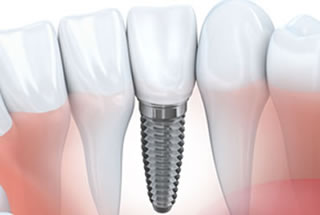
A small titanium post that serves as an artificial tooth root, a dental implant is surgically positioned into your gums. Your dentist will place a permanent crown on each implant, which completes the replacement tooth. Implants can be used for one or more missing teeth.
Am I a candidate for dental implants?
In general, anyone with a missing tooth should consider dental implants. The key to successful implant placement is good oral health and sufficient bone structure to support the posts. If you don’t have adequate bone levels, your dentist may recommend a bone graft to correct that situation.
How long does the procedure take?
Receiving dental implants is a two-step process. During the first visit, a trained specialist will surgically implant the posts into your jawbone. Then, you will need to wait three to six months for healing and integration with the jawbone. Once this occurs, your dentist will place the permanent crowns on the implants, giving you a full smile.
How do I care for my implants?
Just like your natural teeth, your implants require daily care. Brush often and floss frequently. Regular dental checkups are also important, so schedule visits at least twice a year.
Cosmetic improvements these days aren’t limited to Botox or plastic surgery, but advances in dentistry have created a way to makeover your smile as well. There are new, effective, and safe ways to transform your smile into one you’ve always wanted. Healthy, straight, white teeth are possible for those with even the worst of oral appearances.
Visiting a dentist to determine what procedures might help you is easy. Ask for recommendations or do your research to find a reputable and experienced dentist. Then make an appointment to share the concerns you have about your smile, and find out ways that improvements might be possible. A smile makeover can mean a combination of procedures, especially for those with multiple dental problems.
Here are some common things that may be accomplished with a smile makeover:
- Stained or discolored teeth can be whitened through a variety of teeth whitening options. Professional methods performed by your dentist give the most dramatic and quick results.
- Teeth that don’t respond to whitening or are chipped or misaligned can be covered with porcelain veneers.
- Missing teeth can be replaced with implants, bridges, or dentures.
- Crowns can be used to cover decayed or otherwise damaged teeth.
- Orthodontic treatment is an option for those with more severe tooth crowding or jaw misalignment.
Some cosmetic dental treatments can have dramatic results, and some provide more subtle improvements. Whatever types of treatments you undergo to achieve your smile makeover goals, the point is that they make you feel better about yourself and help you get the smile you would like. If you have issues with your smile, take the initiative to see a dentist and make some changes.
Smile Makeover Dentist Toronto
Sometimes oral surgery is the best way to treat problems with your teeth, mouth, gums, or jaws. This can include any type of procedure that involves cutting into or eliminating tissue from your mouth. Dental implants, tooth extraction, gum surgery, jaw issues, cleft palate, and diseased tissue are all examples of typical oral surgeries. Usually performed by an oral surgeon and often on an outpatient basis, afterwards patients are responsible for their own care at home.
There are some common outcomes that you should expect following most oral surgeries.
Pain
It is normal to experience pain after oral surgery once the anesthesia dissipates. The majority of the pain will occur in the first two days after surgery, but discomfort may linger up to five days. Your oral surgeon might prescribe pain medication to take at home. Follow the instructions for usage carefully, and do not drink alcohol while on the medication. If you feel drowsy, do not drive or perform other hazardous tasks until you quit taking the medicine. If your pain doesn’t begin to improve two days after surgery, consult your surgeon.
Bleeding
Another common result of oral surgery is bleeding, especially for the first few hours. Oozing may occur for up to 24 hours. After about four hours, consult your surgeon if bleeding isn’t controlled by firmly pressing gauze on the area.
Swelling
Your face may swell for the first 24 hours after oral surgery, and it can last up to a week. Hold an ice pack on the swollen area for the first day, alternating 10 minutes on and 10 minutes off. On the second day, switch to a warm compress which will improve blood circulation to the area. Make sure you wait at least a day to switch to heat however, because it can increase swelling during the first day.
Bruising
Another common result of oral surgery is bruising. It doesn’t always happen, but it sometimes develops as swelling decreases. Bruising may last up to 10 days.


 E-Mail Us
 416-595-5490