A need for oral surgery may arise from things like disease, trauma, or cosmetic improvements. No matter the reason for oral surgery, it is helpful to know what to expect afterwards.
Instructions
Your dentist or oral surgeon should provide a list of instructions to follow after surgery. The specific directions depends on the type of surgery you have, but often it includes guidelines for what you can and can’t do, how to handle pain or other side effects, oral hygiene directions, and what might warrant a call to the dentist. You should follow the instructions carefully for the best surgery results.
Pain
Some amount of pain is normal after just about any type of surgery, and oral surgery is no exception. Once the anesthesia has dissipated, you might experience some level of pain. Most of the time, it is mild and can be treated with over-the-counter pain medications such as ibuprofen. Warm or cold compresses may also be helpful, so ask your dentist if that is appropriate. If pain lingers after a couple of days following surgery, consult your dentist for advice.
Bleeding
Light bleeding is also normal after oral surgery. Avoid touching the area with your fingers or tongue, so that it can clot properly. If bleeding persists longer than your dentist expected, call to ask if anything should be of concern.
Swelling
Initial swelling is to be expected in many types of oral surgery. The area may look puffier than usual or you might have limited movement. To decrease swelling, apply a cold compress to the area. Do not apply heat, because that can make swelling worse. It is not unusual for swelling to last a few days after surgery.
Losing teeth for one reason or another is not as uncommon as you might think. Injuries and severe tooth decay are only a couple of the causes for smiles to have holes in them from missing teeth. The good news is that you don’t have to go through life with an incomplete smile. Dental implants provide one solution for replacing lost teeth.
Popularity
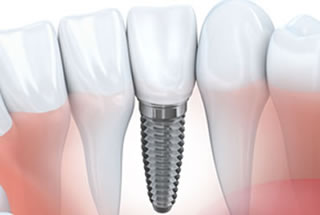
These restorations that involve a titanium root with an artificial tooth on top have become increasingly popular. Instead of using bridges or dentures that are known to have some hassles with them, implants are a permanent and secure solution. Once the area has healed, you can go back to your normal habits without any concerns related to the implant. They look very natural, preserve neighboring teeth, improve speech, restore the mouth’s function, and help maintain your facial features.
Candidates
Good candidates for implants have strong enough jaw bones to be able to support the implant. Patients with significant bone loss may not be able to successfully maintain implants. Good oral health is helpful, as is good general health since surgery is required. Smokers and those with certain health conditions may not be recommended for dental implants.
Procedure
Once you’ve been identified as a good candidate, the first step is having the titanium rod inserted into your jaw bone. It can take up to three months for it to completely fuse with your bones. Then your dentist will make an abutment to hold the implant, and a mold will be taken of your mouth so that the crown can be created. Until it is ready, a temporary crown will be placed. Finally, your crown will be placed and adjustments will be made if needed.
Maintenance
After you implant is complete, you can resume your regular lifestyle. Your normal dental hygiene routine of brushing, flossing, and checkups should be maintained for the best results.
Don’t put up with Bad Breath
An estimated one in four Americans has chronic bad breath or halitosis. Although this problem isn’t fatal, it does deserve to be taken seriously. Having bad breath is embarrassing, and can make you feel self-conscious and unattractive. Most people will experience the occasional bout of bad breath which is usually caused by eating highly flavored foods, or due to illnesses such as a heavy cold. If bad breath is more persistent, talk to your dentist in Toronto to find out how to deal with this issue.
Tips for dealing with halitosis include:
Step up Your Oral Care at Home
Neglecting to brush and floss thoroughly can lead to food becoming trapped in between teeth. This will attract plaque bacteria, and the food will gradually rot, causing unpleasant odors. Poor oral hygiene increases your risk for cavities and gum disease.
Brush Your Tongue
Your tongue is the perfect breeding ground for odor causing bacteria. When you brush your teeth, don’t forget to brush your tongue at the same time. It’s possible to buy specially designed tongue scrapers for just a few dollars.
Get Hydrated
Make sure you drink plenty of water as this will ensure you can produce adequate saliva. It’s essential to have plenty of saliva to wash away food debris and bacteria, and to reduce acidity levels in the mouth.
Clean All Dental Appliances
Keep all dental appliances meticulously clean, including dentures, braces, retainers and mouthguards. All these appliances can harbor bacteria, increasing your chances of bad breath. Whenever you remove an appliance, make sure you wash it thoroughly to remove bacteria and any particles of food.
Quit or Cut down on Smoking
Smoking dries out your mouth and increases your risk of gum disease, a condition that can cause bad breath. In addition, smoking is a known risk factor for developing oral cancer, and your dentist in Toronto would definitely recommend you quit if possible.
Everyone is at risk of developing tooth decay, but if it isn’t treated it can create major problems. Your tooth may be badly infected, and the gum tissue surrounding the tooth can become swollen and inflamed. Without prompt treatment from your dentist in Toronto, the infection can quickly spread, resulting in a dental abscess and increasing the risk of tooth extraction. Instead, root canal therapy can eliminate the infection, and will remove decayed areas in your tooth, restoring it to health.
What Are the Signs of Needing a Root Canal?
There are likely to be clear signs that your tooth requires treatment. The most common symptoms include toothache, tender or sore gums, and the tooth might look discolored. Book an examination with your dentist to determine if root canal treatment is required. Sometimes an infected tooth will not cause any symptoms, which is why it is essential to have regular checkups.
Preparing for Root Canal Treatment
Your dentist will carry out a comprehensive examination to determine the cause of your discomfort. They are likely to take x-rays to show the extent of the infection. They may test the tooth through gently tapping it, and comparing these results with the reactions of other healthy teeth.
The Procedure for Root Canal Therapy
Root canal therapy is generally carried out under local anesthetic, and your dentist in Toronto will access the infection through the crown of the tooth. They will thoroughly clean out the central part of your tooth, removing all the decayed and infected tissues. Next, the root canals of your tooth will be sealed with a rubberlike material. Your dentist will then permanently seal up the tooth, preventing further infection. A dental crown is used to restore tooth structure lost to decay and ensures you can use the tooth as normal. A root canal procedure shouldn’t be any worse than having an ordinary filling and afterwards you’ll be able to use your tooth normally.
Most people have friends or family who have had to deal with the disease cancer in some area of the body. Cancer can be described as uncontrollable cell growth that invades and damages surrounding tissue. Oral cancer often shows up as a persistent sore or growth in the mouth, but also includes cancers of the tongue, lips, cheeks, palate, throat, and sinuses. Like most cancers, it can be life threatening without early detection and treatment.
Symptoms
Common symptoms of oral cancer include:
- Swelling, lumps, or rough spots on your lips, gums, or other mouth areas
- White or red patches in your mouth
- Numbness or tenderness in your mouth, neck, or face
- Unexplained bleeding in your mouth
- Sore throat or feeling that something is stuck in your throat
- Persistent sores in the mouth, neck or face that bleed easily and do not heal in two weeks
- Hoarseness or chronic sore throat
- Difficulty swallowing, chewing, talking, or moving your jaw or tongue
- Earache
- Substantial weight loss
Risk factors
Men are at twice as high risk for oral cancer than women, and men over 50 are at greatest risk. The biggest risk factors include any kind of smoking or using smokeless tobacco, excessive alcohol consumption, excessive sun exposure, or family history of cancer. However, it’s important to know that more than 25 percent of oral cancers occur in people who do not smoke or only drink alcohol occasionally.
Diagnosis
Routine dental checkups include an examination for signs of oral cancer. A biopsy may be performed on any suspicious areas. Regular checkups are important so that tests can identify oral cancer early, before it can spread or progress.
Treatment
Oral cancer is often treated similarly to other types of cancers. It may include surgery to remove the growth, followed by radiation or chemotherapy to destroy remaining cancer cells.
Dental checkups and procedures are neglected by many people due to the dread of sitting in the dentist’s chair for any type of dental work, whether it’s big or small. It’s not an uncommon situation, which is why dentists have come up with a way to combat dental anxiety. The answer is sedation dentistry, a popular technique designed to relax patients so they can have necessary dental work done.
Sedation dentistry involves administering different types of sedatives prior to dental work. The degree of sedation varies depending on the goals and the level of consciousness desired.
Here are the main categories of dental sedation:
- Minimal sedation reduces nervousness and pain, while the patient remains awake and responsive during the procedure.
- Moderate sedation relaxes the patient even more and pain is almost entirely eliminated, and the doctor must give very firm directions for patients to follow.
- Deep sedation produces complete unconsciousness and inability to respond at all during the procedure.
No matter the level of sedation chosen, each technique reduces pain and calms the patient. Most patients do not remember the procedure, and therefore have no negative memories associated with it.
When the whitening is performed in the office, an ultraviolet light is typically used to speed up the process. It activates the whitening gel and enhances its action on your teeth. The combination of the gel and the special light works together for dramatic results on your smile. The whole process takes about an hour.
Sedation dentistry is popular not only with patients who no longer experience pain or fear related to dental visits, but also for dentists. With the increased patient comfort, dentists can perform procedures thoroughly and more quickly than on patients who are apprehensive. Dentists are also able to perform multiple procedures in one appointment when the patient is under sedation.
As with any medical treatment, patients should inform the dentist about any allergies, current medications, and previous reactions to sedation. The types of sedatives that dentists use are well tested and safe for this purpose, and the process is a life-saver for many patients who otherwise avoid dental work.


 E-Mail Us
 416-595-5490