The oral health needs of children differ somewhat than those of adults. Pediatric dentists specialize in the unique dental needs that kids have. It’s important to focus on your child’s teeth at a young age, when you can take steps to prevent problems and teach your child the best ways to care for their oral health. Having a pediatric dentist who can help you with these goals can make a big difference in preventing issues and promoting good health.
Parent involvement
One of the biggest parts of making sure your children’s teeth are healthy is parent involvement. Parents need to bring children for regular checkups and cleanings, and ensure they are comfortable with going to the dentist. This establishes a lifelong habit of dental visits and realizing the importance of maintaining a healthy smile.
Sealants
Your pediatric dentist may give you the option of using sealants on your child’s teeth. Dental sealant is painted right onto the teeth to provide protection from decay. It is a helpful and painless way to help prevent cavities, especially in children who are prone to eating sugar and drinking sodas. Sealants act as a barrier from cavity-forming acids and plaque.
Fluoride
Another suggestion your pediatric dentist might have is using fluoride on your child’s teeth. It makes teeth stronger and protects them from damage. Fluoride is added to drinking water in most communities, but your dentist may advise additional fluoride treatments for your child.
Dr. Cruz is dentist in Toronto that treats kids
Approximately 40 million Americans avoid dental visits because of fear; however, routine exams protect your oral health. Without treatment, you could develop problems like tooth decay, gum, disease, and oral cancer. Oral health can also impact overall wellness, contributing to bigger issues such as diabetes complications, increased risk of stroke, Alzheimer’s, and pre-term births.
Minimize your fears by:
Choosing the right dentist
When you are looking for a provider, schedule consultation appointments with those on your list so that you can talk with the candidates and get a feel for their personalities. Having a dentist that you like and trust will go a long way toward making you feel better about visiting the office regularly.
Sharing your concerns
If you don’t let the dentist know how you feel, your doctor can’t help you. Be honest about your feelings and allow your dentist the chance to assuage some of your fears by answering questions and providing reassurance.
Finding helpful distractions
Many dental practices offer headphones, DVDs, and special glasses to help patients feel comfortable during their treatments. If your dentist doesn’t have these options, bring your iPod and listen to your own musical selections.
Considering sedation
Thanks to dental advances, dentists have a variety of options to keep patients relaxed during treatment. Nitrous oxide, or laughing gas, creates feelings of warmth and only lasts as long as you breathe in the gas. Oral conscious sedation combines nitrous oxide and a dose of anti-anxiety medication to provide a state of total peacefulness. For patients with high levels of fear, those with a strong gag reflex, and anyone who requires multiple procedures at one time, sedation offers the deepest level of relaxation.
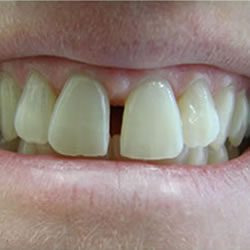
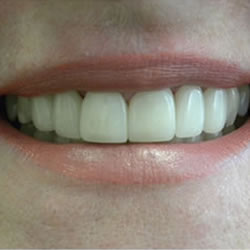
Teeth that cause you to be embarrassed about your smile may be hidden using a popular dentistry technique called veneers. Broken, chipped, discolored, or misaligned teeth can easily be hidden with this long-lasting dental solution.
Veneers are very thin shells, usually made of durable porcelain, placed over your teeth to hide the flaws. It is a simple process for your dentist to attach them to your teeth, and you and your dentist can even choose the color of your veneers for the most natural and appealing look. The process is pain-free and does not require lots of time at your dentist’s office. Veneers feel like regular teeth and do not cause irritation of your gums.
One of the greatest things about veneers is that the porcelain resists stains, so you can eat and drink whatever you would like without avoiding items that are known to discolor teeth. Caring for veneers does not require anything additional to your normal oral hygiene routine. Proper maintenance will help keep your veneers looking great and your teeth healthy.
Finding a dentist to do your veneers is usually easy. Many dentists practice this technique, it is just a matter of inquiring to find out which ones provide the service and determining who you are most comfortable with to do your dental work. You should make sure that the dentist you choose is experienced and qualified in providing dental veneers. Asking for before and after photos of other patients with veneers is a good idea too.
Once you have chosen a dentist and decided together that veneers will be helpful in your case, you will be on your way to a beautiful smile.
Oral surgery has become increasingly common, not only for medical treatment but also for cosmetic purposes. It can bring tremendous relief if you have a painful oral health problem, and can also bring amazing results if you’re seeking a cosmetic improvement. If you’ve got an oral surgery approaching on your calendar, here are some common questions and answers to help you prepare.
Why do I need to see a specialist?
Make sure that your procedure is to be performed by a professional who is qualified for oral surgery. It should be considered with the same importance as any medical surgery. As with all surgeries, you want to be in the best of hands and in a reputable medical facility.
Is sedation really necessary?
With today’s technology, oral surgery poses few risks to patients. Most surgeries require sedation to avoid discomfort and to help you remain relaxed during treatment. There’s typically no reason to forego sedation, since it is a safe and effective way to maintain your comfort during oral surgery.
Do I have to follow the instructions?
Your surgeon will provide you with a list of instructions to follow, both before and after surgery. It’s important for you to stick to the rules so that you have as much success as possible with your surgery. You usually will receive the instructions a week prior to surgery, so that you have time to make any necessary arrangements. Some of the instructions are very specific about what you should and shouldn’t do the day before surgery, and following the guidelines will help you avoid complications.
Why do I have to stop eating the night before?
If you will be sedated, your surgeon will instruct you to avoid eating and drinking after midnight the day before your procedure. Having an empty stomach will help you avoid nausea, as well as prevent unwanted reactions to the medicines that you will be given.
If you are looking for a dentist in Toronto, contact our office today.

After your root canal procedure, you may feel some discomfort in the gums surrounding your tooth. Tools used to isolate your tooth from the surrounding area may cause the tenderness in your oral cavity. Any soreness you experience should be not that severe and should dissipate within a couple of days.
It is, in fact, common for the tooth to be tender after a root canal procedure. Because the frequent source of pain stems from inflammation of the tissues surrounding the root, over-the-counter painkillers with anti-inflammatory properties such as ibuprofen or aspirin are strongly suggested. Your endodontist may also prescribe a narcotic analgesic that provides a higher level of pain relief. Always consult your endodontist to be sure that any over-the-counter medication you take is right for you.
Wait no more to take your pain medication until your pain is severe. Narcotic pain relievers can make you feel sleepy or dizzy. Refrain from eating anything until the numbness in your mouth does away. Eating when your mouth is numb with no sensation may cause you to bite your cheek or tongue. Do not chew on hard foods on the side until it is completely restored.
In some cases, a root canal procedure can result in an infection that can become severe if left untreated. Most often, endodontists will prescribe a type of antibiotic. Be sure to take the full course of any antibiotic you are given to prevent resistance of happening.
Should you be experiencing any difficulty that seems out of the ordinary, contact your endodontist immediately. A lot of times, you will be informed that what you are going through is routine and can be handled by you with no direct assistance from them.
Contact Toronto endodontist at Dr. Cruz’s office right away if you experience pain that does not lessen with pain medication, or if your new filling feels loose or falls out. Besides that, you should call immediately if your tooth cracks, fractures or hurts when you bite down. Also, if you have pain or swelling that spreads up your gums and cheek. Given their know-how and experience, your endodontist will provide you sound advice for your situation.
Are you considering sedation dentistry to improve your comfort during an oral procedure? If so, you may have questions. Here are some of the most common.
What is sedation dentistry?
- Sedation dentistry is any dental procedure performed while under some type of anesthesia. It relaxes the patient so that the dentist can perform therapies while the patient is at ease.
What is conscious sedation?
- Conscious sedation is the type of sedation dentistry that allows the patient to be relaxed, but still responsive to the requests of the dentist.
Why should I consider sedation dentistry?
- If you are experiencing any trepidation or fears regarding your upcoming dental therapy, sedation dentistry may be for you. It allows you to undergo necessary dental treatments while you feel comfortable, stress-free and relaxed.
What types of sedation dentistry are available to me?
- Oral sedation may be achieved using a pill that can be taken an hour before the procedure to calm the nerves. Some dentists prescribe a pill that is to be taken the night prior to the procedure, to ensure restful sleep.
- Inhaled sedation is delivered utilizing nitrous oxide, or laughing gas. Your dental professional controls the amount of gas you are receiving throughout your procedure. The feeling of inhaled sedation is one of “floating away” and of complete relaxation.
Is sedation dentistry safe?
- Yes, it is. Your dentist will speak with you regarding any risk factors such as age or medical conditions and will recommend the best, safest type of sedation for you.
If you have questions about sedation dentistry and what type of conscious sedation might be best for you, talk to Toronto dentist Dr. Cruz today. All of the answers you need should be provided. Don’t spend another dental visit full of anxiety or fear; explore sedation dentistry today.



 E-Mail Us
 416-595-5490