No matter where someone is in life, the chances are that they wish to have a better smile. Do you know that beautiful, bright smiles are possible through a smile makeover? This esthetic dentistry work is the specialty of dentists, who focus on helping you achieve the look you’ve always wanted. They do so by providing many alternatives to make your smile as appealing as possible. Smile makeovers examine all aspects of your smile and suggest ways to improve it. Here are regular treatments that people obtain during smile makeovers.
Dental veneers
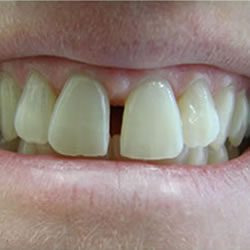
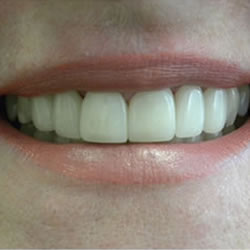
A proven way to restore chipped, worn, broken, badly stained, or otherwise damaged teeth are with dental veneers. They are typically made of porcelain. These thin shells prosthetics are fixed to the fronts of your teeth to give you a beautiful permanent smile. Veneers are great as they provide a rapid makeover by giving you a customized, bright new smile.
Invisalign
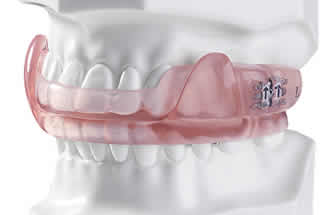
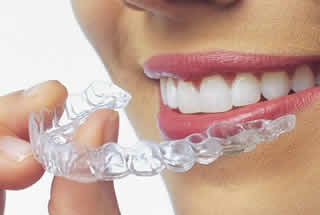
An innovative new breakthrough in orthodontics is Invisalign aligners. Gone are the days where metal braces are the only option. These clear plastic trays gently nudge your teeth into better positions while avoiding the hassles associated with traditional metal braces, such as noticeable brackets, diet restrictions, and mouth irritations. Invisalign aligners are removable for eating and cleaning, and usually require about a year for complete correction.
Teeth whitening
A rapid method to dramatically improve your smile is teeth whitening. Teeth naturally become discolored with age and stains from foods and drinks, so brightening smiles is a very pleasant smile makeover goal. This will not only make your smile more radiant; it will also give you a more youthful appearance. The perfect technique to whiten your teeth by several shades is through efficient methods performed in your dentist’s office.
Dental implants
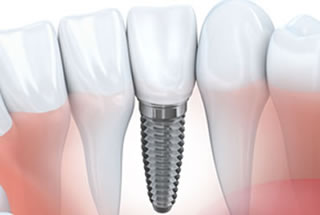
For anyone with missing teeth, dental implants provide a great way to permanently restore both the appearance and function of your smile. It involves surgically inserting an artificial tooth root made of titanium into your jaw, where it fuses with your bone in a process known as osseointegration and can then support a crown placed on top, resulting in a comfortable and strong tooth.
Toronto dentist Dr. Cruz
If your teen is scheduled to have wisdom teeth extraction surgery, you might be feeling stressed-out about the procedure and how you can best prepare for what’s to come. Surgery can be frightening. As the adult, it’s your role to get the information you need and to educate and calm your teen so that you both have a feeling of confidence and safety during all steps of the oral surgery.
Don’t mislead your teen about the procedure or recovery time. Talk about the reasons the wisdom teeth need to be extracted; be honest about the issues. Talk about the oral surgeon and his or her qualifications and why this particular surgeon was chosen. Help give your teen a sense of trust in the surgeon, to help calm his or her nerves.
Listen to everything your child has to say regarding the surgery. Validate all your child’s feelings and statements and offer any guidance you can from your own life’s experiences. Be open to allowing a conversation between the surgeon and your teen. Your oral surgeon has experience in dealing with fearful patients and can often remedy fearful thoughts and feelings more efficiently than a parent.
Reassure your child that you won’t be far away during or after the procedure. Even though your teen may be already in college, surgical procedures can be frightening and you might be surprised at how much your teen may lean on you, emotionally and physically during this time.
Answer any of your child’s questions honestly. Go over any parts of the surgery that are confusing to your teen. This knowledge can restore a sense of control to the patient, and allow the patient to feel prepared to recover.
Your teen’s oral maxillofacial surgeon wants your teen to be comfortable during the surgery. Sedation dentistry options may be offered as early as the night before, so that the patient can be well-rested and calm for the procedure.
Dentist in Toronto

Patients who have recently completed dental implant surgery want to ensure that their new implants are successful and that they last for years to come. Follow these tips to care for your new dental implants:
Once you’ve returned home following your oral surgical procedure, get some rest. Allowing your body time to heal is the best first step you can take toward successful dental implant treatment.
Keep a close eye on your dental implant site. Dental implants are at risk for peri-implantitis, an inflammation and infection of the bone that holds the implant in place. Untreated peri-implantitis can lead to implant failure. If you suspect a problem with your dental implant, contact your oral surgeon immediately for advice.
Once your dental implant is in place, you must continue – or develop and maintain – a routine of good oral hygiene. Flossing once a day, brushing twice daily and rinsing your mouth following meals can keep all of your teeth healthy, not just your dental implant. Continue to see your dentist twice a year for regular checkups and professional cleanings.
If you are a smoker, you need to stop. Smoking can seriously affect your overall health, and it can contribute to implant failure. If you need assistance quitting smoking, ask to your dentist for tips.
Avoid chewing hard foods such as ice, hard candies or nuts following dental implant surgery. Hard foods like these can damage your dental implant and your natural teeth.

If you are unhappy with your smile and are considering a smile makeover, you will find the choices of procedures and treatments available to be vast and possibly overwhelming. From orthodontics to implants to veneers to teeth whitening and much more, it is important to consider your dental issues as well as your goals when considering options for your smile makeover.
Dark, stained, or discolored teeth age your appearance. Teeth whitening can quickly and easily improve the color of your natural teeth. Old silver fillings and restorations can also be replaced with tooth-colored composite material to improve their appearance.
Uneven, cracked, chipped, or out of proportion teeth can affect the balance of your smile. These issues can be corrected with cosmetic bonding or veneers to restore the harmony of your face. Uneven spacing, gaps, crooked or missing teeth can be corrected with implants or orthodontics to greatly improve your facial aesthetics.
Missing or worn down teeth can cause your face to change shape, making you appear older. This problem can be corrected through orthodontics or oral surgery to fill out the cheeks and face and create a more youthful appearance.
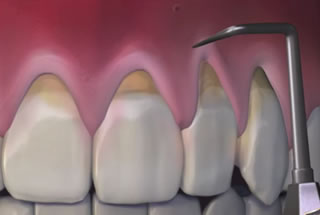
Even a “gummy” smile that causes your teeth to look shorter can be corrected, creating the appearance of longer, more youthful teeth. The proportion of your teeth is important in creating a younger, more appealing overall appearance.
In cooperation with your dentist, all of your dental concerns should be taken into consideration while planning treatments and procedures that are customized to fit your smile makeover needs. Your smile makeover plan may include a combination of cosmetic and restorative treatments to achieve your desired results. With careful consideration, you can soon be on your way to a more beautiful smile!

Are you unhappy with your smile? Do you wish you had a more beautiful smile, but don’t think you have the time to fix it? Thanks to advances in dentistry, you may be happy to learn there are many procedures and treatments that can have a dramatic impact on the quality of your smile with very little time commitment.
Professional teeth whitening is one of the fastest and easiest ways to improve your smile. If your teeth have darkened due to staining foods, beverages, or other issues, whitening by your dental professional can lighten your teeth up to ten shades in as little as one quick office visit.
Teeth that are chipped, discolored, or oddly shaped can be quickly repaired through dental bonding. Imperfections are repaired by using a tooth-colored resin that is bonded directing to the tooth. Dental bonding is usually completed in one office visit and produces fantastic results.
Snap-on teeth are a quick option that utilizes a removable appliance to cover your natural teeth. The Snap-On Smile does not require adhesives, and can be removed to sleep, eat or during cleaning.
Porcelain veneers are an attractive option for teeth that are chipped, cracked or stained. Veneers create the appearance of straighter, more even teeth without having to undergo lengthy orthodontic treatments.
Nearly all of these treatments and procedures can be completed in one or two dental visits. If you are unhappy with your smile, consult with a qualified dentist to learn more about fast fixes for your dental flaws. With dentistry, you can quickly be on your way to a fantastic new smile!
Porcelain veneers are a fantastic option for dental patients to dramatically enhance the look of an imperfect smile. Utilizing thin shells of porcelain that are bonded directly onto the surface of your teeth, porcelain veneers create the look of perfectly even, white teeth.
If you are considering porcelain veneers to treat your dental imperfections, there are some questions to ask your dentist before you begin:
- Do you consider me to be a good candidate for porcelain veneers?
- Can I see an example of how my completed veneers will look?
- How will you choose the color of my veneers?
- How long will the placement of my veneers take to complete?
- Can you explain how my natural teeth will be altered or affected by the placement of porcelain veneers?
- What is the process for placing the veneers?
- Are there any risks or complications related to dental veneers?
- Will you provide aftercare instructions for my porcelain veneers?
- What kind of follow-up is necessary once my veneers have been placed?
- Will my lifestyle be altered in any way after the placement of veneers?
- What is the average lifespan of porcelain veneers?
- What could cause my veneers to need to be replaced in the future, and what does that involve?
An experienced dentist should be able to provide answers to these questions, which will help you to proceed with the placement of your veneers with confidence. Knowing what to expect before, during, and after your procedure will help you to avoid unwelcome surprises and give you better chances for a beautiful new smile.



 E-Mail Us
 416-595-5490