As early as 1550 BC, papyrus scrolls show that Hippocrates, the Greek physician viewed as the father of modern medicine, offered rinsing with a mouthwash of red wine, anise, and dill to produce sweet-smelling breath. An estimated 93 million Americans suffer from chronic bad breath, also called halitosis. Though bad breath won’t compromise your wellbeing, it can wreck your social life.
The following tactics can help you enjoy fresh breath:
Remember your tongue
Many people don’t realize that our tongues have millions of filaments that can trap food particles and bacteria, which may lead to bad breath. Along with brushing and flossing, make sure to clean your tongue with either a toothbrush or tongue scarper.
Keep sugarless gum handy
Saliva provides excellent defense against halitosis, and chewing sugarless gum encourages adequate saliva flow.
Try cinnamon
Though mint will help cover bad breath, a recent study suggests that cinnamon may reduce the bacteria that produce halitosis, so your breath will smell better.
Watch your diet
If you struggle with bad breath, avoid foods that can trigger mouth odor, such as coffee, alcohol, onions, and garlic. Certain diet plans, like Atkins, can create an unpleasant side effect from ketosis, the fat-burning state that occurs with this type of diet. Increasing your carb intake will help in this case.
Stay hydrated
Water helps wash away odor-causing bacteria. It also keeps your mouth moist, which prevents dry mouth, another issue that can lead to halitosis.
Are your teeth broken or cracked? Does your bite feel uncomfortable? Do you feel embarrassed about how your smile looks? If you answered yes to these questions, talk with your dentist about full-mouth rehabilitation.
Disease, trauma, and daily life can take a toll on your smile. Full-mouth rehabilitation is designed to revitalize your appearance, improve oral health, and restore harmony in your mouth. The full-mouth rehabilitation process usually combines cosmetic and restorative treatments to re-establish balance between your teeth, gums, bone tissue, and the related muscles.
As part of correcting your dental problems, your dentist will work with you to decide on a course of action that suits your goals, budget, and lifestyle. You will receive a thorough analysis of your whole mouth. Then, your dentist will make recommendations that may include the following procedures or some combination of these therapies:
• Porcelain veneers or cosmetic bonding to cover imperfections on existing teeth
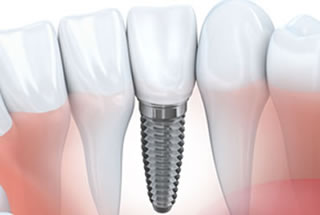
• Dental implants or dentures to replace lost teeth
• Tooth-colored fillings or dental crowns to stabilize damaged teeth
• Root canal therapy to save a severely injured tooth and prevent extraction
• Periodontal therapy to stop gum disease and improve oral health
Typically, full-mouth rehabilitation involves a series of appointments. Once your dentist has created a detailed plan, you will visit the office over several visits so that the dental team can systematically repair your mouth and smile.
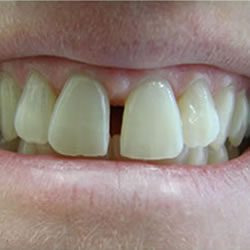
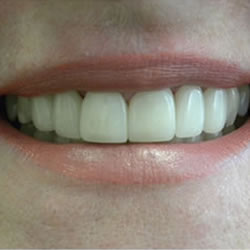
If chips, stains, or gaps between your teeth make you feel self-conscious about your smile, consider porcelain veneers. Made from fine dental porcelain, veneers can cover flaws and revive your smile. Because the porcelain mimics the translucency of tooth enamel, no one will notice your veneers, only your stunning, new image.
Porcelain veneers can be used to:
• Close gaps
• Create a uniform appearance
• Hide permanent stains
• Restore cracks and chips
To begin the process, you will have a consultation with your dentist. Many patients bring photos of smiles they like to this appointment. Your dentist may show you Before and After shots of other cases to help determine your preferences. After listening to your goals and reviewing different options with you, the dentist will create a detailed plan for your custom restorations.
Usually, the dentist can update your smile in two to three visits. First, the dentist will prepare your teeth for the veneers as well as take impressions that are sent to the dental lab. Often, patients wear temporary veneers, providing a trial run of their new smiles. A skilled ceramist will handcraft your porcelain veneers and send them back to the dental office. You will then return for any minor adjustments and permanent placement.
Your veneers will provide years of beauty with proper care. Routine brushing and flossing are critical to protecting your restorations. Make sure to schedule regular checkups so that your dentist can examine your whole mouth and check the status of your veneers.
Separating fact from fiction is important when it comes to your dental health. You need to understand how to care for your teeth and gums to protect your smile. Dental health also contributes to overall well being, so you should know the truth about the following myths:
Myth: Baby teeth don’t matter.
Truth: Not only do primary teeth serve as placeholders for permanent teeth, but they also help children learn to chew and speak properly.
Myth: People naturally lose teeth as they get older.
Truth: With proper care that starts at an early age, you can keep your natural teeth throughout your life. The average lifespan is 75 to 80 years old, so teach your children to brush and floss as soon as their teeth start to erupt.
Myth: You can place an aspirin or clove oil next to a sore tooth for relief.
Truth: Both of these home remedies can burn the soft oral tissue and cause further problems. Try a warm compress, over-the-counter pain medication, or a numbing agent like Orajel. Call your dentist if the pain lasts for more than a day or two.
Myth: Extraction of teeth can weaken your eyesight.
Truth: In the past, routine checkups weren’t available. As a result, older patients typically visited the dentist only for removal of teeth. Eyesight tends to get weaker with age, so people drew an incorrect correlation between the removal of teeth and changes in eyesight.
Myth: It’s no big deal if you have one or two missing teeth.
Truth: When you lose even a single tooth, your appearance and oral health may decline. Remaining teeth often shift to fill in the gap, causing alignment and bite problems. You may also feel self-conscious about your smile.
Conservative estimates suggest that about 80 percent of adults in this country have some level of gum disease, also known as periodontal disease. In many cases, people don’t realize they have a problem because the initial symptoms are so mild. Without treatment gum disease can lead to pain, bone degeneration, and tooth loss.
What is gum disease?
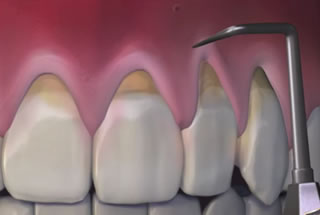
An infection of the gums surrounding the teeth, periodontal disease is caused by plaque and bacteria along the gum line. Gum disease is actually the number one cause of adult tooth loss in the U.S. The earliest stage of gum disease is gingivitis, which presents as swollen, bleeding gums. As the disease progresses to periodontitis, an advanced form of gum disease, pockets form and the gums separate from the teeth.
What are some signs of gum disease?
Often, gum disease begins with red, swollen gums. You may also experience bleeding when you brush. Other symptoms include receding gums, pain, and chronic bad breath.
Are there certain risk factors for gum disease?
One of the main causes of periodontal disease is poor hygiene. Brushing and flossing regularly, as well as routine checkups, can go a long way to preventing gum disease. Certain lifestyle choices, like tobacco use and excessive alcohol consumption, as well as genetics and medication side effects can make you more susceptible to gum disease.
How do you treat gum disease?
If you have gingivitis, your dentist will likely recommend a thorough cleaning and improved home habits. For more advanced gum disease, you may need scaling and root planing, which removes the infection and helps promote healthy gum tissue.
Your teeth age right along with the rest of your body, so it’s a natural process for them to lose their whiteness and leave you wondering how to regain that youthful bright smile. Many dentists offer professional teeth whitening and stores sell at-home kits, but try these techniques if you’re looking for less expensive, non-chemical methods.
Treat your teeth right
Brush and floss your teeth carefully and regularly, and visit your dentist as scheduled to keep your teeth in good health.
Avoid foods that stain
Coffee, tea, cola, fruit juices, and red wine are some of the staining culprits because your teeth absorb colored liquids throughout your life. If you do drink dark beverages, sip them through a straw. Also, swishing water around your mouth for about 30 seconds after eating will help prevent stains.
Quit smoking
Tobacco of any kind can discolor your teeth, so either quit altogether or at least limit its use.
Eat crunchy foods
Try eating crunchy, crispy fruits and vegetables such as apples, carrots, and celery. The abrasiveness can help lift stains from your teeth.
Chew gum
Chewing gum increases the amount of saliva in your mouth, which is like a natural cleaner inside your mouth. Also, gum containing the sweetener xylitol may help prevent plaque.
Brush with baking soda
The mild abrasive elements in baking soda polish your teeth, while the mixture of baking soda and water lightens stains. Dip your toothbrush in baking soda and brush with it once a week, or switch to a toothpaste that contains baking soda.


 E-Mail Us
 416-595-5490