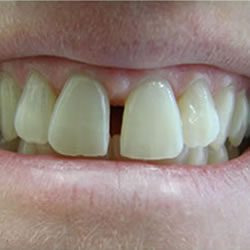
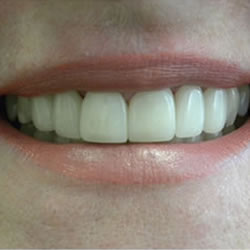
Severe dental problems can be embarrassing, uncomfortable, and impractical. The good news is that there’s a solution to problems such as broken teeth, gaps in your smile, or teeth that don’t fit together. Full mouth reconstruction allows your dentist to treat the health, appearance, and function of your mouth so that you can renew your smile and improve the way you feel.
What does full mouth reconstruction mean?
Severe dental problems can be treated through a combination of restorative and cosmetic procedures. It may involve repairing or replacing broken or missing teeth, bones, and tissue to help you achieve a healthy and beautiful smile.
What kinds of procedures are involved?
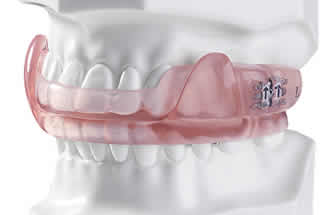
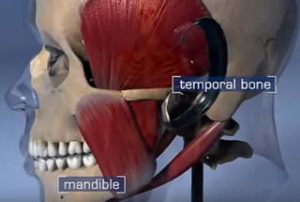
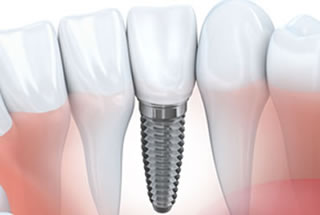
The procedures necessary depend on the extent of the damage in your mouth. Some types of dentistry that are considered reconstructive include dental implants and bridges, both used to replace teeth that are missing or broken beyond repair. Dental crowns can be placed to repair cracked and damaged teeth. Tooth-colored fillings may be implemented for a healthy smile without noticeable repairs. Inlays and onlays can be used to address tooth decay, and temporomandibular joint (TMJ) treatment may be needed to deal with biting problems.
Who do I see for full mouth reconstruction?
A general dentist usually can perform most of the procedures, so meet with your dentist for a full evaluation to see what kind of treatment is recommended for you. Ask to view samples of your dentist’s restorative dentistry work and previous full mouth reconstructions to make sure you are happy with the examples of procedures that might be performed on you. If not, seek the advice of another dentist until you find the right one for your needs.
A tooth that becomes infected is called an abscessed tooth. It is often very painful, and is accompanied by pus and swelling. Tooth abscesses can be dangerous if not treated, because the infection may spread throughout your body. You will want to identify and take care of an abscessed tooth as soon as you can, not only because of the associated risks but also due to the pain. Let’s learn more about this problem so you’ll be prepared if this happens to you.
Symptoms
An abscess occurs when the pulp, or center, of your tooth gets infected. It fills with pus, which is made up of white blood cells, bacteria, and dead tissue. This infection and the accompanying swelling around your tooth causes a very painful toothache, usually described as throbbing coupled with intermittent sharp pains. The pain is often so severe that you can’t even identify which tooth is causing the problem, because the pain resonates throughout your whole mouth. Some other common symptoms are fever, pain when biting or chewing, sensitivity to heat or cold, bitter taste in your mouth, foul smell to your breath, and red swollen gums.
Causes
Tooth decay or trauma, like a broken tooth, can cause an abscess. It you have a cavity, bacteria may enter the center of your tooth and form an abscess. Advanced gum disease is another cause of tooth abscesses.
Treatment
Your dentist will perform some simple tests like tapping your teeth to diagnose an abscess. X-rays are also sometimes helpful. If an abscess is found, your dentist will try to eliminate the infection, save your tooth, and avoid complications. The abscess may require draining, which is often achieved with a root canal. Sometimes extraction is necessary. Antibiotics are prescribed to fight the infection, as well as pain medication to make you more comfortable. The main thing to remember is that treatment is necessary no matter what, because an untreated abscess can lead to a life-threatening infection in your blood.
Tobacco use impacts your entire body, and your oral health is not immune to those effects. It can lead to a variety of issues, ranging from cosmetic to very serious health dangers. Let’s learn about some of the effects of tobacco use on your oral health and ways you can protect yourself.
Oral cancer
It is estimated that ninety percent of people diagnosed with oral cancer have used tobacco products. In fact, oral cancer risks are six times higher for smokers over non-smokers. Oral cancer can affect your lips, throat, tongue, and mouth. Your personal risk of oral cancer is related to how long you have used tobacco. The longer you use tobacco, the higher your cancer risk gets.
Gum disease
Cigarette smoking is linked to gum disease, which begins as inflammation and bleeding of the gums. As gum disease progresses, the bone supporting your tooth roots gets inflamed also and can cause the bone to deteriorate. Without treatment, gum disease leads to lost teeth and damage to the jawbone.
Kinds of tobacco
It is a myth that some forms of tobacco are safer than others. Regular exposure to any kind of tobacco has health risks. For example, pipe smokers usually don’t smoke very often but they can get cancer of the lips from holding the pipe in the same place on the lip each time. Also, people who use chewing (or smokeless) tobacco are at four to six times more risk of oral cancer than non-tobacco users.
Ways to protect oral health
Follow these rules to promote good oral health:
• Stop smoking. Quitting will significantly lower your risk of oral health problems, and the longer you remain a non-smoker, the lower your risk gets.
• Have regular dental checkups. Early detection and treatment of cancer can improve your prognosis.
• Practice good dental hygiene.
Pregnancy affects your whole body, and your mouth is no exception. Your hormones are changing throughout pregnancy, which can affect your teeth and gums. There are several things to watch for regarding your dental health while pregnant.
Pregnancy gingivitis
Higher levels of progesterone in your system can cause gingivitis, or inflamed gums. Your gums may become swollen and red, and they may bleed when you brush or floss your teeth. After the baby is born, pregnancy gingivitis symptoms usually disappear.
Gum disease
A more serious dental problem that affects some pregnant women is periodontal, or gum, disease. It happens when bacteria causes an infection to develop below your gum line, which can loosen your teeth or even make them fall out. Another serious side effect of gum disease is to the baby, because it increases the mother’s risk of early delivery and lower baby birth weights.
Pregnancy granuloma
A granuloma is a red growth that appears during pregnancy along the upper edge of your gums. It bleeds easily, causes discomfort, and may affect speech. Pregnancy granulomas most often happen during the second trimester, and usually dissipate after the baby’s birth.
Dry mouth
Hormonal changes can decrease the amount of saliva you produce. The resulting dry mouth increases your risk of various dental problems.
Tooth enamel erosion
The enamel on your teeth may be at higher risk of erosion due to vomiting caused by morning sickness. This risk increases the more frequent the vomiting occurs over an longer time period.
As much as many people don’t want to believe it, flossing your teeth is an important and necessary part of dental hygiene. Just brushing your teeth isn’t enough, because it doesn’t reach all of the areas that dental floss can. Just like you brush your teeth each day, you should also floss your teeth at least once daily.
What are the benefits?
Flossing helps get rid of food particles and plaque from the areas between your teeth, where your toothbrush is unable to reach. If you don’t remove plaque, it hardens to become tartar and can lead to cavities. Flossing helps prevent gum disease, tooth decay, and bad breath.
How do I get the most out of flossing?
You should floss your teeth at least once a day. If you find long threads hard to control, use a floss holder designed to help. Floss gently to avoid damaging your gum tissue.
What products should I use?
Both waxed and unwaxed dental flosses are able to clean the areas between your teeth. The important thing is to use it every day, so choose the kind you like and will use. A floss holder or interdental cleaning tools like picks may help if you have difficulty due to arthritis or vision problems, but follow your dentist’s instructions for use so you don’t harm your gums. Oral irrigators can also help remove trapped food particles, but these should not take the place of flossing and brushing. You might also choose to use mouth rinses, but they must be used in combination with the rest of your dental hygiene routine.
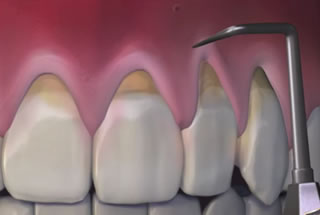
Prevention is the most important thing about gum disease, or gingivitis. However if you already have this disease, you should get control of it quickly in order to avoid more serious problems like heart disease or diabetes. There are some common myths about gum disease that may make you hesitate, so let’s learn the truth so that you can take the necessary steps to regain a healthy smile.
Myth: Gum disease is always caused by poor dental hygiene.
Truth: Poor oral hygiene can contribute to the disease, but it’s not the only factor. Tobacco use greatly raises your gum disease risk. A poor diet and stress can both also contribute. Some people are genetically at a higher risk too. It’s important to follow your dentist’s instructions for a good daily dental routine, because you’ll then have the best chance of avoid gum disease.
Myth: Flossing every day isn’t needed.
Truth: You should floss daily to clean the small spaces that your toothbrush is unable to reach. Those hard-to-reach areas are a popular breeding ground for bacteria.
Myth: It’s not a problem if my gums bleed sometimes.
Truth: Occasional bleeding while eating some foods like corn on the cob or tortilla chips may not be a big deal. However, you should tell your dentist about consistent bleeding. Red, swollen gums that bleed often may indicate gum disease. You should also visit your dentist if your gums often bleed when you brush or floss your teeth.
Myth: A appointment with the periodontist will definitely be painful.
Truth: Periodontists are specialists who regularly treat gum disease. They have additional training in preventing, diagnosing, and treating gingivitis. Periodontists are equipped with special tools and technology to provide you with the optimum care and comfort level.
Myth: Nothing can be done if I lose a tooth because of gum disease.
Truth: There are several tooth replacement options available if you lose any teeth to gum disease. Your periodontist will be able to help you choose the best option for you.


 E-Mail Us
 416-595-5490