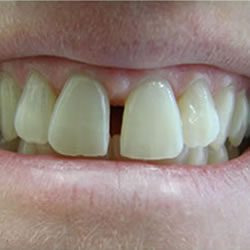
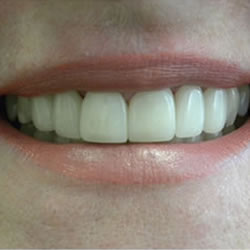
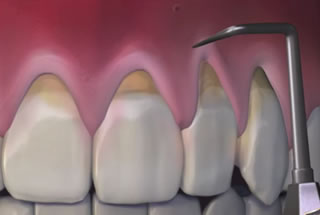
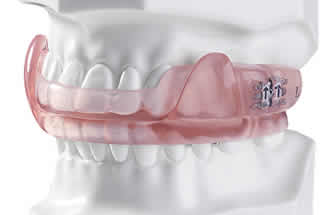
If taking a bite of ice cream causes discomfort in your mouth, you may be experiencing teeth sensitivity. Often, people feel unpleasant sensations when they eat anything that is hot, cold, or sweet. Teeth sensitivity can be caused by enamel wear, tooth damage, overzealous brushing, and whitening products.
To remedy your sensitivity and give your mouth relief, follow these tips:
Use a good toothpaste
Several companies make toothpaste designed to lessen your discomfort by desensitizing your teeth. Apply the paste directly to the teeth and allow it to sit for several minutes for the best results.
Watch what you eat
Acidic foods and drinks, like tomatoes, sodas, and orange juice, can erode enamel, which contributes to teeth sensitivity.
Resist the urge to over whiten
You can attain a brilliant smile, but don’t go crazy with teeth whitening. One side effect of these products is sensitive teeth; however, the issue tends to resolve itself once you finish the treatment course.
Take care when you brush
If you brush for too long, too harshly, or use hard bristles, your teeth may become sensitive.
Talk to your dentist
When sensitivity persists, mention the problem to your dentist. Sometimes, a sensitive tooth can indicate a cavity, so your dentist may want to check your mouth to rule out decay.
Avoid extreme temperature
Stay away from anything that is really hot or really cold because these temperature changes can exacerbate the situation.
We care about your oral health at Dr. Yolanda Cruz dentistry -Toronto Canada Dentist
Everyone knows that flossing your teeth at least once a day promotes good oral health. Dental floss gets between teeth to remove food and other debris, which keeps gums in good shape. Although you usually keep dental floss in your bathroom, it can come in handy in other ways. Check out these creative uses for dental floss, including:
• Homemade Clothing Line
On vacation or camp outs, dental floss provides a great place to hang wet clothes.
• Food Cutting Device
Wrap the floss around one finger on each hand and neatly cut through cakes, soft cheeses, and even hard boiled eggs.
• Package Tying
If you don’t have string handy, dental floss will secure small packages and hold down the lid.
• Fishing Rod Repair
When your line breaks, pull out dental floss and use it to keep fishing.
• Plant Support
Tie hanging plants to a stick with floss for added stability.
• Temporary Shoe Lace
In a pinch, tear off a strand of floss to replace a broken lace.
• Hair Tie
Dental floss can substitute for rubber bands and keep hair out of your face.
• Fashion Accessory
Make necklaces and bracelets with dental floss instead of normal thread or when your jewelry breaks.
• Cleaning Aid
To reach between the crevices of furniture, dental floss will remove dirt and dust.
Dr. Yolanda Cruz dentistry -Toronto Canada Dentist – Dental Floss
As we age, our teeth and gums change. Proper care of your teeth as well as eating a good diet can keep your smile beautiful and strong. Certain vitamins and minerals also help promote optimal oral health.
(more…)
Many desktop publishing packages and web page editors now use Lorem Ipsum as their default model text, and a search for ‘lorem ipsum’ will uncover many web sites still in their infancy. Various versions have evolved over the years, sometimes by accident, sometimes on purpose (injected humour and the like).Often, advertising for dentistry focuses on women. Photos in magazines and on Web sites show attractive females with gorgeous smiles. Although these campaigns often target women, men can benefit from dentistry too.
Professionally and personally, men have just as many reasons as women do to look their best. Your smile is one of the first things people notice about you. Having a vibrant, white smile can create a perception of self-assurance, intelligence, and warmth. Men who have cosmetic dental enhancements can enjoy the benefits of looking younger and feeling more confident.
(more…)
Age, certain foods and beverages, medications, and lifestyle choices can dull your brilliant smile. With teeth whitening, you can remove stains and brighten your teeth. Drugstores carry over-the-counter products like whitening strips, bleaching kits, and special toothpastes. Your dentist may also offer other options, including chairside whitening and take-home trays.
These Dos and Don’ts will maximize your smile’s beauty and minimize any issues:
Do follow directions
Use the products as instructed and don’t overdo it with the whitening agents or you may cause gum irritation and teeth sensitivity.
Do adopt a healthy lifestyle
Smoking and tobacco use can create new stains and negate the impact of teeth whitening. If you can’t quit, try to cut down on your usage.
Do practice good hygiene
Brushing and flossing as recommended will remove plaque and food from your teeth, improving the look of your smile.
Do watch what you eat
Dark foods and beverages like cola, red wine, blueberries, and blackberries can discolor your smile, so limit your consumption. When you do partake of these items, rinse your mouth with water right away.
Do consult with your dentist
Ask for recommendations about the best options for your specific situation.
Don’t allow kids to whiten
Children under 16 should not be permitted to try whitening products.
Don’t go crazy
You shouldn’t make your smile brighter than the whites of your eyes because it looks unnatural.
Don’t forget to touch up your smile
For lasting radiance, you will probably need to whiten at home every six to nine months.
Dr. Yolanda Cruz dentistry – Teeth Whitening – Toronto Canada Dentist
From the time they are young, people are taught about the importance of brushing and flossing teeth. These habits, as well as regular dental checkups, form the cornerstones of optimal dental health. To augment your current routine, consider these natural steps to promoting a vibrant, health smile.
Try Tea
Drinking black or even green tea may reduce the formation of plaque, which leads to tooth decay and contributes to gum disease. One ingredient in black tea, tannin, has been shown to fight the bacteria that cause cavities.
Chew on This
When you chew sugarless gum for 20 minutes after meals, saliva production increases, neutralizing the acids in your mouth.
C it This Way
Taking 1,000 mg of vitamin C each day helps eliminate the bacteria that cause gingivitis, the early stage of gum disease.
Water, Water Everywhere
The health benefits of drinking water are well known. Not only will water rinse food debris from your teeth, but it also helps generate saliva, which keeps bacteria and acids in your mouth from damaging your teeth.
Crunch n Munch
Snacking on crunchy foods like carrots, celery, and apples helps remove plaque from teeth and stimulate the gums.
Cheese, Please
Eating mozzarella, Cheddar, Swiss and American cheese, especially at the end of a meal, can protect against cavity development.
The Great White Way
Once a week, create a paste of baking soda and water to remove surface stains and brighten your smile.
We care about your smile at Dr. Yolanda Cruz dentistry – Toronto Canada Dentist


 E-Mail Us
 416-595-5490