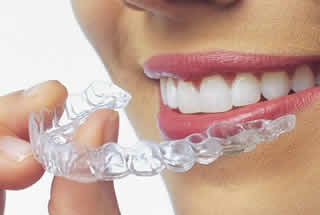
It’s back-to-school time and that means kids everywhere will be participating in sports. It’s time for football, soccer, volleyball, and all sorts of sports teams to get back in shape. That not only means conditioning your body, but also getting all the right gear. One item that you don’t want to forget is a mouth guard to protect yourself from mouth and facial injuries.
Dentists recommend mouth guards for participants in both high-impact sports and individual sports. Team sports often resulting in mouth injuries include football, basketball, baseball, softball, soccer, and hockey. Individual sports that carry high risks include cycling, gymnastics, skateboarding, martial arts, and rollerblading.
Mouth guards are worn to protect the mouth from a variety of possible injuries. They may be minor like a chipped or cracked tooth, or cuts from biting the inside of your mouth. Worse injuries can occur like jaw fractures, and athletes might experience tooth loss or nerve damage. Fractures can cause difficulty breathing, swallowing, eating, or speaking.
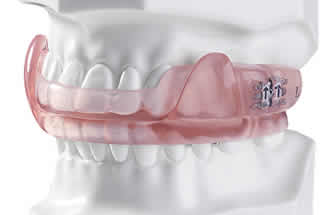
Dentists suggest that many sports injuries can be avoided by wearing a mouth guard, and they are available for athletes of all skill sets and ages. They are available in most sporting good stores, or you can opt to have customized mouth guards created by your dentist. Mouth guards are even available in a wide variety of colors, so athletes can choose them to coordinate with their school colors. They are also useful for people who wear traditional braces or Invisalign retainers.
Because many sports can be risky, there’s no reason to ignore the danger to your mouth. Wear a mouth guard to protect your smile throughout the season.
Take the first step towards optimal oral hygiene. Reserve your dental appointment at our Toronto dental office now and experience personalized care.
Obesity, defined as an excess proportion of body fat, has reached epidemic levels in the United States. This condition presents health risks to many areas of your body, and takes a toll on just about every aspect of your life. What does obesity have to do with oral health? Recent studies have linked the development of obesity with oral bacteria.
By testing the saliva of overweight people compared to individuals within a healthy weight range, researchers have discovered an oral bacteria present in 98 percent of the obese subjects. Experts believe this bacteria is an indicator of developing an overweight condition. Also, they suspect that the bacteria may participate in the body functions that lead to obesity.
Preventing and controlling obesity usually begins with analyzing and changing your diet. A high glycemic diet, which generally means a diet high in sugars, contributes to weight gain. It is also connected with your dental health, because sugars in your mouth are converted into plaque. If plaque accumulates on your teeth and gums, the risk increases for tooth decay and gum disease.
While it will likely benefit your waistline to reduce the amount of sugar consumed, doing so will reduce your risks for oral disease. Likewise, regular dental checkups, proper oral hygiene including brushing and flossing twice daily, and smart diet modifications will also lower your oral health risks. As experts continue to investigate the connection between your mouth and your overall health, following recommendations for caring for your mouth will likely decrease oral bacteria and possibly limit your risks of other health concerns such as obesity.
Are dental issues holding you back? Take control of your oral health by booking an appointment with our experienced team at our Toronto dental office.
Any stage of gum disease (or gingivitis) can cause inflammation, pain, and sensitivity. It can make eating and talking difficult. It’s important to know what causes gum disease and what can happen if it develops, so that you can avoid it altogether or at least catch it before it wreaks havoc on your mouth.
What causes gingivitis?
Plaque buildup is the main cause of gum disease, although other factors can lead to it as well. These include:
- Illnesses, especially those that interfere with your immune system. Patients with HIV, diabetes, and cancer are often at higher risk for gingivitis.
- Hormonal changes associated with pregnancy, menstruation, puberty, and menopause.
- Some medications affect oral health by decreasing saliva or causing abnormal growth of gum tissue.
- Smoking can hamper the healing of your gums.
- Poor dental hygiene, including neglecting brushing or flossing, or using improper techniques.
- Family history of gum disease.
What are the symptoms?
Gingivitis can sneak up without symptoms, even in the later stages of the disease. However, there are signs that may point to some level of gingivitis. These include bleeding, red, or swollen gums. Ongoing bad breath and receding gums are other symptoms. Deep pockets may form between the teeth and gums, and teeth may shift or loosen. You might also notice changes in how your teeth fit together when you bite down. Your dentist can recognize symptoms even if you don’t, so make sure you have checkups regularly.
How is gingivitis treated?
Treatment depends on the stage of your gum disease, how you responded to previous treatment, and your general health. Treatments range from therapies to control bacterial growth to surgery to restore gum tissue. Often gingivitis can be controlled with dental visits and good dental hygiene.
What can happen without treatment?
Gingivitis may advance to periodontitis, causing permanent damage to your mouth. Advanced gum disease has been linked to stroke, heart disease, rheumatoid arthritis, and diabetes complications.
Are dental issues holding you back? Take control of your oral health by booking an appointment with our experienced team at our Toronto dental office.
Whether you call it pop, soda, soft drink, or something else, these terms all refer to a sugary, carbonated drink popular all over the country. It is estimated that Americans consume over 13 billion gallons of soft drinks each year. These beverages can cause serious health problems, including negative effects on your oral health.
Soft drinks are one of the most significant reasons for tooth decay, and it impacts all age groups. From babies drinking it out of bottles to teenagers drinking it all day long to older adults sipping it in retirement homes, it is deteriorating tooth enamel and eroding gums of everyone who consumes it.
Why are soft drinks harmful?
The high sugar content in the drinks is the root cause of trouble, and the high acid content adds to the threat. The sugar combines with bacteria in your mouth to create an acid, which adds to the acid from the drink itself. Then this mixture attacks your teeth. Each time you take a drink of the carbonated beverage, an acid attack begins in your mouth. During this time, your tooth enamel is weakened and cavities are just waiting to form. You may think that the risk goes away by drinking sugar-free soft drinks. Although these are less harmful, they are still acidic and can lead to decay.
How can I avoid harming my teeth?
The ideal way to rule out risks from soft drinks is to cut them out of your diet completely. If you think you just can’t live without them, here are some suggestions:
- Substitute other drinks. Try drinks with less sugar, like 100% fruit juice and milk.
- Set a good example. Drink alternatives yourself and encourage your kids to do the same.
- Sip with straws. This helps keep the sugar from direct contact with your teeth.
- Rinse with water. After drinking a soda, rinse your mouth with water to reduce the amount of sugar and acid hanging onto your teeth and gums.
- Use fluoride toothpaste and mouth rinse. Using fluoride in your daily dental routine helps to reduce decay and strengthen enamel. Also ask your dentist about the possible need for professional fluoride treatments.
Are dental issues holding you back? Take control of your oral health by booking an appointment with our experienced team at our Toronto dental office.
Life can be full of frustrations, demands, deadlines, and inconveniences. For lots of people, stress is a way of life. The problem is that when you’re constantly stressed out, your health can pay the price. There are many health conditions that are caused or worsen due to high stress levels, but did you know that your mouth may be affected in the form of teeth grinding?
What is teeth grinding?
The condition of grinding or gnashing your teeth together is called bruxism, and often includes clenching your jaw. It commonly happens while sleeping, so that you may not even realize you’re doing it. Sometimes a sleeping partner hears it, or your dentist may recognize the signs of unusual wear on your teeth.
What does my stress level have to do with it?
Teeth grinding has been linked to stress and anxiety. Studies have shown that people who are stressed from daily life and don’t have adequate coping methods are more likely to grind their teeth. Experts say that both adults and children facing stress sometimes cope by grinding their teeth.
How does teeth grinding affect me?
Grinding your teeth has more negative effects than you might think. It often causes headaches, earaches, and sleep problems. It can cause chipped, loose, cracked, or sensitive teeth. Tooth enamel can suffer excessive wear, and gum tissue may be damaged. Teeth grinding also often causes a painful jaw disorder of the temporomadibular joint, commonly called TMJ.
What can I do about it?
Your dentist may recommend wearing an over-the-counter or custom mouthguard at night, to protect your teeth from further damage. Medications usually are not helpful, although a muscle relaxant before bed may help prevent jaw clenching. The ideal treatment is to try to reduce or eliminate stress that may be contributing to your teeth grinding. Relaxation therapy, stress management, corrective exercises, and counseling are some of the options that dentists suggest to help you remedy the problem.
Do not let another day go by without taking care of your dental needs. Request an appointment now at our Toronto dental office!
Receding gums not only look unattractive, they can harm your health. If you notice that your gums are receding, ask your dentist for help so that you can reverse the problem instead of allowing it to worsen. The goal is to catch gum recession early and get it under control before it turns into periodontal disease.
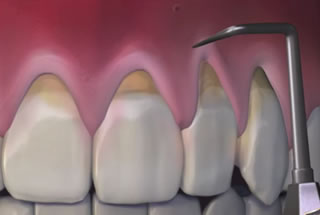
What exactly is gum recession? It’s the condition in which the outer tissue on a tooth begins to wear away toward the root, leading to exposure of your tooth enamel and eventually your tooth’s root. If untreated, receding gums lead to periodontal disease. The best way to avoid this problem is to prevent it from starting in the first place. This is easily done by performing good oral hygiene techniques. Brush twice a day with a soft toothbrush using a circular motion and mild pressure. Also, floss your teeth every day.
If you see that your gums are starting to recede, it’s likely that practicing better dental hygiene will restore your gum health over time. A deep cleaning by your dentist will help kick-start your hygiene routine at home. In some cases, an even deeper cleaning called root planing may be necessary.
For more advanced cases of gum recession, your dentist may need to take tissue from other areas and use it to cover exposed roots. This can boost your gum tissue and make it healthy again. If you experience pain and increased sensitivity due to exposed roots, your dentist may prescribe medications to help.
The main thing to remember about receding gums is that quick action is important. Good dental care is key in both preventing it and in correcting the problem after it has begun. If you notice that your gums are pulling away from your teeth or experience sensitivity, start the healing process as soon as possible by asking your dentist for treatment advice.
Do not let another day go by without taking care of your dental needs. Request an appointment now at our Toronto dental office!


 E-Mail Us
 416-595-5490