Life can be full of frustrations, demands, deadlines, and inconveniences. For lots of people, stress is a way of life. The problem is that when you’re constantly stressed out, your health can pay the price. There are many health conditions that are caused or worsen due to high stress levels, but did you know that your mouth may be affected in the form of teeth grinding?
What is teeth grinding?
The condition of grinding or gnashing your teeth together is called bruxism, and often includes clenching your jaw. It commonly happens while sleeping, so that you may not even realize you’re doing it. Sometimes a sleeping partner hears it, or your dentist may recognize the signs of unusual wear on your teeth.
What does my stress level have to do with it?
Teeth grinding has been linked to stress and anxiety. Studies have shown that people who are stressed from daily life and don’t have adequate coping methods are more likely to grind their teeth. Experts say that both adults and children facing stress sometimes cope by grinding their teeth.
How does teeth grinding affect me?
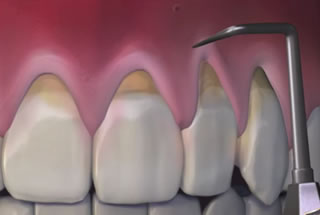
Grinding your teeth has more negative effects than you might think. It often causes headaches, earaches, and sleep problems. It can cause chipped, loose, cracked, or sensitive teeth. Tooth enamel can suffer excessive wear, and gum tissue may be damaged. Teeth grinding also often causes a painful jaw disorder of the temporomadibular joint, commonly called TMJ.
What can I do about it?
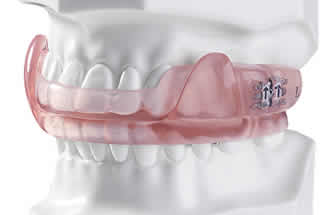
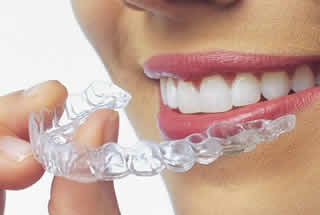
Your dentist may recommend wearing an over-the-counter or custom mouthguard at night, to protect your teeth from further damage. Medications usually are not helpful, although a muscle relaxant before bed may help prevent jaw clenching. The ideal treatment is to try to reduce or eliminate stress that may be contributing to your teeth grinding. Relaxation therapy, stress management, corrective exercises, and counseling are some of the options that dentists suggest to help you remedy the problem.
Schedule your appointment at our Toronto dental office
The foods and drinks you consume affect more than your waistline. Your diet provides you with the nutrients you need and impacts your overall health, and also affects the health of your teeth and gums. Let’s see what the choices you make in your diet mean to your oral health.
Nutrients
If you don’t include certain nutrients in your diet, it’s harder for the tissues in your mouth to fight infection. This can promote gum disease, which can lead to tooth loss if not treated properly and early. Experts suggest that gum disease advances faster and can become more severe in people who don’t have a nutritious diet. Ask your doctor for suggestions for a healthy diet full of helpful nutrients.
Balanced diet
Your goal should be to eat a variety of foods from the five major food groups. These include whole grains, fruits, vegetables, lean protein, and low-fat dairy items. It’s also important to drink plenty of water.
Sugar
Sugary foods and drinks are enemies for your oral health, because sugar is proven to contribute to tooth decay. When plaque comes into contact with sugar in your mouth, it causes acid to attack your teeth and lead to decay. Limit the amount of sugar you consume by reading the nutritional labels on foods and drinks, and opt for items that are lowest in sugar. Soft drinks, candy, pastries, and cookies are common sources of sugar.
Snacking
Avoid snacking in between meals, and choose healthy foods like fruit or cheese when you do snack. When you eat foods as part of a meal, it is less harmful to your teeth than eating lots of snacks throughout the day. This is a result of more saliva being released during a meal, which helps wash food from your mouth and lessen the impact of harmful acids.
Dental care
Practice good oral hygiene like regular flossing and brushing with fluoride toothpaste, and visit your dentist regularly for checkups and cleanings.
We look forward to seeing you in our Toronto dental office
Plaque is your mouth’s enemy. It is a film of bacteria that forms on your teeth, and produces acid as it mixes with sugar from foods and drinks you consume. Over time, these acids destroy your tooth enamel and lead to decay. Plaque can also form under your gums and affect both the gum tissue and the bones supporting your teeth.
So how can you avoid getting the plaque that causes these problems? Here are some helpful tips.
Brush
Use a fluoride toothpaste to brush your teeth at least twice a day. Choose a soft-bristled toothbrush and brush all of your tooth surfaces, as well as your tongue.
Floss
As much as many people don’t want to, flossing your teeth every day is important in getting rid of plaque between your teeth and at your gum line.
Eat healthy foods
Some foods help keep plaque off your teeth. Munch on apples, cucumbers, carrots, and other raw vegetables and fruits. Crunchy foods like these will help clean your teeth while filling you up and giving you helpful nutrients.
Avoid junk food
On the other hand, limit the amount of junk food that you eat. Sugary drinks and foods introduce sugar into your mouth that will stick to your teeth and lead to plaque formation.
See your dentist
Even if you practice good oral hygiene, some amount of plaque usually forms. It hardens to become tartar, which can only be properly removed by your dentist. Dental checkups every six months will help you keep plaque under control, and a healthy smile on your face.
Our dental office is located in Toronto
Whether you call it pop, soda, soft drink, or something else, these terms all refer to a sugary, carbonated drink popular all over the country. It is estimated that Americans consume over 13 billion gallons of soft drinks each year. These beverages can cause serious health problems, including negative effects on your oral health.
Soft drinks are one of the most significant reasons for tooth decay, and it impacts all age groups. From babies drinking it out of bottles to teenagers drinking it all day long to older adults sipping it in retirement homes, it is deteriorating tooth enamel and eroding gums of everyone who consumes it.
Why are soft drinks harmful?
The high sugar content in the drinks is the root cause of trouble, and the high acid content adds to the threat. The sugar combines with bacteria in your mouth to create an acid, which adds to the acid from the drink itself. Then this mixture attacks your teeth. Each time you take a drink of the carbonated beverage, an acid attack begins in your mouth. During this time, your tooth enamel is weakened and cavities are just waiting to form. You may think that the risk goes away by drinking sugar-free soft drinks. Although these are less harmful, they are still acidic and can lead to decay.
How can I avoid harming my teeth?
The ideal way to rule out risks from soft drinks is to cut them out of your diet completely. If you think you just can’t live without them, here are some suggestions:
- Substitute other drinks. Try drinks with less sugar, like 100% fruit juice and milk.
- Set a good example. Drink alternatives yourself and encourage your kids to do the same.
- Sip with straws. This helps keep the sugar from direct contact with your teeth.
- Rinse with water. After drinking a soda, rinse your mouth with water to reduce the amount of sugar and acid hanging onto your teeth and gums.
- Use fluoride toothpaste and mouth rinse. Using fluoride in your daily dental routine helps to reduce decay and strengthen enamel. Also ask your dentist about the possible need for professional fluoride treatments.
Our dental office is located in Toronto
Most people have friends or family who have had to deal with the disease cancer in some area of the body. Cancer can be described as uncontrollable cell growth that invades and damages surrounding tissue. Oral cancer often shows up as a persistent sore or growth in the mouth, but also includes cancers of the tongue, lips, cheeks, palate, throat, and sinuses. Like most cancers, it can be life threatening without early detection and treatment.
Symptoms
Common symptoms of oral cancer include:
- Swelling, lumps, or rough spots on your lips, gums, or other mouth areas
- White or red patches in your mouth
- Numbness or tenderness in your mouth, neck, or face
- Unexplained bleeding in your mouth
- Sore throat or feeling that something is stuck in your throat
- Persistent sores in the mouth, neck or face that bleed easily and do not heal in two weeks
- Hoarseness or chronic sore throat
- Difficulty swallowing, chewing, talking, or moving your jaw or tongue
- Earache
- Substantial weight loss
Risk factors
Men are at twice as high risk for oral cancer than women, and men over 50 are at greatest risk. The biggest risk factors include any kind of smoking or using smokeless tobacco, excessive alcohol consumption, excessive sun exposure, or family history of cancer. However, it’s important to know that more than 25 percent of oral cancers occur in people who do not smoke or only drink alcohol occasionally.
Diagnosis
Routine dental checkups include an examination for signs of oral cancer. A biopsy may be performed on any suspicious areas. Regular checkups are important so that tests can identify oral cancer early, before it can spread or progress.
Treatment
Oral cancer is often treated similarly to other types of cancers. It may include surgery to remove the growth, followed by radiation or chemotherapy to destroy remaining cancer cells.
We treat patients from Toronto and the surrounding area
Most people turn to mouthwash when they suspect their breath is bad and they want a quick boost. It’s true that mouthwash comes in handy for this purpose, but did you know that it offers other benefits too?
Reduces bacteria
Antiseptic and anti-plaque mouth rinses are intended to kill germs that cause gum disease, plaque, and bad breath. Swishing this type of mouthwash around your mouth after brushing has been shown to lower the bacteria levels, and therefore decrease your risks of the problems that bacteria can cause. It is especially helpful in senior adults or others who have trouble brushing and flossing their teeth.
Promotes healing
Rinsing with antiseptic mouthwash promotes natural healing of mouth and gum irritations, minor wounds, and canker sores. It removes debris that can irritate your mouth, and can also help reduce inflammations from dental and orthodontic appliances.
Adds fluoride
Some rinses contain fluoride, which helps prevent tooth decay and strengthen teeth. Studies have shown that using fluoride mouth rinses in addition to fluoride toothpaste gives you more protection against cavities than toothpaste alone. Fluoride mouth rinse is not suggested for kids under six years old because they might swallow it.
Relieves pain
Antiseptic mouth rinses have been shown to help reduce tooth pain, probably due to lowering the bacteria and inflammation in your mouth.
Helps with certain conditions
Dentists sometimes prescribe special mouth rinses designed for various oral conditions. This may include gum disease, high risk of tooth decay, or dry mouth. Also, oral rinses may be prescribed after periodontal treatments or oral surgery.
Supplements dental hygiene
Many dentists suggest making dental rinses part of your oral hygiene routine, but remember that it’s only a supplement to brushing and flossing regularly.
Our dental office is located in Toronto


 E-Mail Us
 416-595-5490