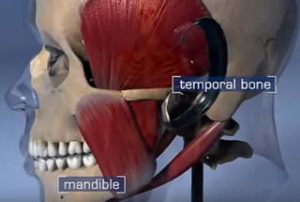
Also called onychophagia, nail biting is a common habit for lots of people, usually children, teens, and young adults. Often, nail biting is caused by stress and seems to wane as people get older. Though some would argue that it’s not as bad as smoking or other less desirable habits, there are several reasons to stop nail biting:
It’s unsanitary. Did you know that your mouth and your hands/nails are two of the germiest areas on your body? If you have any open sores on your fingertips and you bite your nails, the germs from your mouth spread to that area. Pretty gross if you think about it.
It’s unattractive. Nobody really wants to watch someone bite their nails. As well, it doesn’t make your nails look very nice either.
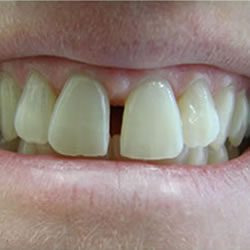
It hurts your teeth. When you bite your nails, it strains front teeth and can weaken them, which may contribute to misalignment or crookedness. Nail biting also keeps your teeth in constant chewing motion and may wear them down faster than if you didn’t bite your nails.
It can cost you money. The Academy of General Dentistry estimates that nail biting may add $4000 to dental bills over a lifetime.
Stopping any habit can be difficult. To curtail your nail biting, try to:
- Think about it. Sometimes, just be conscious of this habit can help you stop.
- Make your nails look nice. You won’t want to mess them up if they are neatly manicured.
- Create a deterrent. Check at the drug store for colorless, odorless solutions you apply to the
nails. These topicals taste awful, which should make it easier to quit.
Our dental office is located in Toronto
You wake up in the middle of the night to a throbbing sensation in your tooth. Tooth decay or an abscess usually causes this kind of pain. You will need to see a dentist as soon as possible to resolve the issue. But if you experience signs of a true dental emergency, contact your dentist right away.
Until you can get an appointment, you can try some of these home remedies to help ease some discomfort:
- Apply an over-the-counter oral analgesic ointment to temporarily numb the area.
- Look to see if food could be trapped between teeth and causing pressure. If so, dental floss can remove the irritant and you can rinse the area with warm water.
- Mix bay berry bark with vinegar and apply the paste to the aching tooth.
- Place a wet, black tea bag on your gums to relieve soreness; this may also help stop any bleeding.
- Crush a piece of garlic clove and place it on the affected tooth. Garlic is a natural antiseptic and pain reliever.
- For pain in your gums, try applying an ice pack against the side of the face. Switch to heat if cold doesn’t help. Apply a hot compress and gargle with warm salt water.
- Take an over-the-counter pain reliever such as ibuprofen or acetaminophen, but don’t choose aspirin. If you need to have a dental procedure done, aspirin can increase bleeding.
- Use cotton swab to put oil of cloves on the aching tooth every 20 minutes.
If you live in the Toronto area contact us today
It’s back-to-school time and that means kids everywhere will be participating in sports. It’s time for football, soccer, volleyball, and all sorts of sports teams to get back in shape. That not only means conditioning your body, but also getting all the right gear. One item that you don’t want to forget is a mouth guard to protect yourself from mouth and facial injuries.
Dentists recommend mouth guards for participants in both high-impact sports and individual sports. Team sports often resulting in mouth injuries include football, basketball, baseball, softball, soccer, and hockey. Individual sports that carry high risks include cycling, gymnastics, skateboarding, martial arts, and rollerblading.
Mouth guards are worn to protect the mouth from a variety of possible injuries. They may be minor like a chipped or cracked tooth, or cuts from biting the inside of your mouth. Worse injuries can occur like jaw fractures, and athletes might experience tooth loss or nerve damage. Fractures can cause difficulty breathing, swallowing, eating, or speaking.
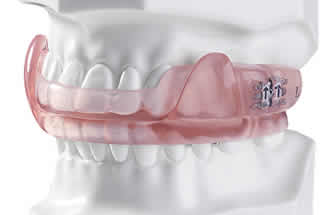
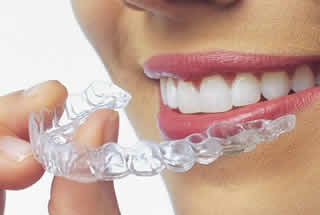
Dentists suggest that many sports injuries can be avoided by wearing a mouth guard, and they are available for athletes of all skill sets and ages. They are available in most sporting good stores, or you can opt to have customized mouth guards created by your dentist. Mouth guards are even available in a wide variety of colors, so athletes can choose them to coordinate with their school colors. They are also useful for people who wear traditional braces or Invisalign retainers.
Because many sports can be risky, there’s no reason to ignore the danger to your mouth. Wear a mouth guard to protect your smile throughout the season.
If you need a dentist in Toronto contact us today
Chances are you would be disgusted at the thought of leaving your eating utensils on your bathroom counter exposed to germs, and never washing them but continuing to eat with them. This is essentially what you’re doing if you leave your toothbrush sitting out, and never sanitize or change it. Let’s talk about how to keep your toothbrush from being a germ-infested threat to your health.
Your toothbrush can be contaminated by bacteria, saliva, blood, and food particles with each use. Even after you rinse it with water, your toothbrush may appear clean but germs linger on the bristles. Some of the sources of bacteria on your toothbrush include:
- Your mouth, which transfers germs to your toothbrush during use.
- The environment, because bathrooms are often the most contaminated room in your house.
- The packaging, since toothbrushes aren’t sold in sterile packages they can arrive with germs already on them.
Here are some tips to guard your toothbrush from germs:
- Before and after you brush your teeth, wash your hands to get rid of germs.
- Rinse your toothbrush well with water, and then allow it to air dry.
- Store the toothbrush upright so that water can drain from it while drying.
- Consider storing your toothbrush in a dry area outside of the bathroom, away from humidity and toilet spray
- Replace your toothbrush every 3-4 months, or more often if you notice worn bristles.
- Do not share your toothbrush with anyone.
- Do not soak your toothbrush in disinfectant or mouthwash, which can lead to cross contamination
- Do not bother microwaving your toothbrush or running it in the dishwasher, because these tactics may damage your brush.
Schedule your appointment at our Toronto dental office
You’ve probably seen what coffee can do to a cup. Those brown stains that you see left on your cup are also sticking to your teeth. Coffee is especially hard on your teeth due to an ingredient called tannic acid, which gets into the grooves and pits of your tooth enamel and can stain it brown. Certainly the ideal way to stop the staining is to quit drinking the java, but that’s an unrealistic solution for many people. So what else can you do to save your pearly whites?
Drink smart
First, try and reduce the amount of coffee you drink. If you drink a lot of coffee, even cutting out one cup a day can lessen the dark stains on your teeth. Another suggestion is to drink your coffee in one or two sittings instead of sipping it all day long. Also, try lowering the temperature of your coffee. The hotter the coffee is, the more easily it can stain your teeth. Just letting it cool a couple of degrees can make a difference to your teeth.
Rinse
After every cup of coffee you drink, rinse your mouth with room-temperature water. This will remove some of the staining elements before they have a chance to set in. The water also helps neutralize acids in your mouth, which will lower the bacteria in your mouth that can lead to cavities.
Use a straw
If you like iced coffee or tea, drink it with a straw so that the dark beverage doesn’t directly contact your front lower and upper teeth. Using a straw reduces your teeth’s exposure to liquids that can stain.
Whiten your teeth
Ask your dentist about professional whitening methods, as well as products you can try at home. There are even some brands of whitening toothpaste made especially for coffee drinkers.
Practice good hygiene
Brush your teeth several times a day, especially after drinking coffee. Flossing daily also helps prevent stains, and is important if you add sugar or cream to your cup of joe. See your dentist twice a year for professional cleanings, which can do a better job of removing stains and restoring your smile.
Our dental office is located in Toronto
Does your mouth feel like it’s full of cotton? Or does it remind you of the Sahara Desert? Having an overly dry mouth can result from a variety of dental and medical issues. For example, one common culprit of dry mouth symptoms is related to medications. The best long-term solution is to consult your dentist or physician to determine the root cause of your dry mouth, and to get treatment to solve the problem. Sometimes all that is needed is to change to a different medication, and your dry mouth will disappear. However, here are some things you can try to temporarily relieve your dry mouth until you are able to determine what is causing it.
- Sip water often.
- Limit caffeine consumption, which can dry out your mouth even more.
- Chew sugarless gum or suck on sugarless hard candy.
- Use an over-the-counter saliva substitute, such as Biotene.
- Do not use tobacco products of any kind.
- Do not use mouthwashes containing alcohol, because it can be drying.
- Avoid over-the-counter antihistamines and decongestants, which can worsen your dryness symptoms.
- Add moisture to the air using a humidifier.
- Try to breathe through your nose instead of your mouth.
If you do experience the symptoms of dry mouth, it’s especially important to protect your oral health. Make sure you brush your teeth with toothpaste containing fluoride, and ask your dentist if prescription fluoride toothpaste would benefit you. Use a fluoride mouth rinse before bed to add an extra layer of protection for your teeth. Limit the amount of sugary foods or items high in acids, as both of these types of foods increase your risk of tooth decay. Following these tips for relieving dry mouth symptoms can make it more comfortable for you to eat, swallow, and talk.
Our dental office is located in Toronto

 E-Mail Us
 416-595-5490