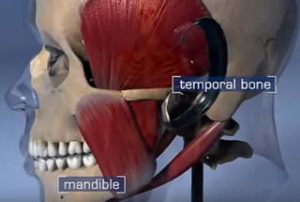
Oral surgery to correct problems with the jaw is known as orthognathic surgery. Jaw issues can result from birth defects, changes due to growth, or injury or trauma to the face. While orthodontics can correct bite problems when only the teeth are involved, oral surgery may be required when repositioning of the jaw is necessary to correct the issue. If you suffer from any of the following concerns, orthognathic surgery may be a consideration:
- Difficulty chewing, biting or swallowing
- Problems with opening and closing your mouth, or with speaking
- Persistent jaw or temporomandibular joint pain
- Clenching or grinding of teeth causing excessive wear to the teeth
- Inability to make the lips meet without straining
- Un-proportional facial appearance or protruding jaw
- Malocclusion, open, or incorrect bite
- Recessive lower jaw and chin
- Sleep apnea and breathing problems
Most jaw surgeries are performed completely in the mouth, so no facial scars are visible. The oral surgeon makes cuts in the jawbone and then moves them to the correct position. Once the jaw is correctly aligned, screws and bone plates are placed to secure the jaw into the new position. Sometimes it may be necessary to add extra bone to the jaw from your hip, leg, or rib.
Orthognathic surgery is performed by an oral and maxillofacial surgeon usually in a hospital setting. Recovery time from jaw surgery takes three to six weeks. Your general or family dentist should be able to refer you to a skilled oral surgeon for a consultation and examination to determine a treatment plan. Jaw surgery can improve not only your facial appearance, but also chewing, speaking and breathing functions.
Schedule your appointment at our Toronto dental office
If you or a loved one is scheduled to have or has recently had oral surgery, you probably have a lot of questions. Here are some of the most common questions:
- One of my stitches came out after my surgery, should I be worried? Losing a stitch isn’t a problem. In the majority of cases, stitches are put in place during surgery to assist in clot formation and bleeding control. If you have undergone a bone-graft procedure, however, contact your surgeon because you may need to be seen immediately.
- What can I eat after surgery? Immediately following surgery, eat only soft foods of tepid temperature. Avoid very hot or very cold foods. Eat nothing that is crunchy or chewy so you won’t damage the surgical site.
- I am having a lot of pain following my procedure, what should I do? If you have been prescribed pain medication, take it as recommended. If no prescription was given, use over-the-counter medicines containing natural anti-inflammatory properties such as ibuprofen. Stay hydrated by drinking room temperature water and get plenty of rest.
- I had a tooth extracted, how can I tell if I have a dry socket? Dry socket is the result of the loss of the blood clot present in the extraction site. Smoking, using a straw, poor oral hygiene or failure to rest properly following the extraction procedure can lead to this condition. Typically dry socket will present within one week of extraction and is treated with sterile wash and pain-relieving, medicated gauze.
- I had a procedure this morning and am still bleeding. Is that normal? Bleeding following extractions or other surgical procedures is common. If you are bleeding more than normal, bite down on some sterile gauze or a damp teabag for twenty or thirty minutes. Don’t keep removing the gauze to look for blood; that can make the bleeding worse. Call your surgeon if you feel your bleeding is excessive.
Your oral surgeon can answer these questions and more. Don’t hesitate to call the surgeon’s office to get the peace of mind you require to heal comfortably following your procedure.
If you need a dentist in Toronto contact us today
Your family dentist knows that your child’s pacifier serves an important purpose. It soothes and comforts your child during difficult or stressful events. During the time of infancy, pacifiers are common and valued. Extended use of the pacifier during the development of the teeth, however, can lead to unwanted changes to your toddler’s mouth.
Sucking too hard on a pacifier, just like sucking too long on fingers or a thumb, can have serious consequences to a child’s teeth and even to the shape of the child’s face. Your family dentist will tell you that you should take away your child’s pacifier by the age of two years, preferably by the end of the first year. Failure to stop the use of a pacifier can lead to extended orthodontic care in the future.
Your family dentist can show you research that indicates that pacifier use beyond the second year is linked with crossbites, open bites, misaligned bites, a narrowed jaw, tongue thrust and malformed palate. It is also associated with an increased risk of a middle ear infection.
If your infant is using a pacifier, follow these guidelines:
- Clean the pacifiers regularly and properly to prevent bacterial growth.
- Discard and replace pacifiers that exhibit any signs of discoloration or cracking.
- Clean any new pacifiers prior to giving them to your baby.
- Make pacifiers available only during specific times, such as at naptime or bedtime.
- Purchase pacifiers specifically recommended by orthodontists for minimal damage to the mouth.
- Never allow your baby to “wear” the pacifier by tying it around his or her neck. This is dangerous. Pacifier clips can allow you to clip the pacifier to your baby’s clothing with a short, safe length of material.
Your family dentist will have important tips for you when you begin to wean your child away from pacifiers. Don’t let this habit extend beyond being useful to becoming harmful.
If you live in the Toronto area contact us today
Root canal treatments are specifically designed to relieve the tooth pain associated with an infected tooth root. Patients come in with pain, and often leave the procedure with less discomfort than before. However, if you’ve recently had a root canal treatment on one or more of your teeth, you might be experiencing discomfort following the procedure. Fortunately, there are things you can do at home to take care of it.
Are your gums sore, tender or swollen surrounding the affected tooth? This is likely the result of the tiny metal clips that affix a rubber dam around the tooth, protecting it and protecting your mouth. The clips are attached along the gum line, and can leave tiny bruises or sometimes small cuts in the soft gum tissue. This pain should alleviate within two days of the treatment.
Is the tooth itself sore? This is a common occurrence and is typically the result of an inflammation of the mouth tissues that encase the tooth root. The tools used by the endodontist to perform the procedure can irritate the tissues.
Both of these types of pain can be dealt with by several over-the-counter analgesics. The ones that are most recommended to treat dental pain are those that possess anti-inflammatory agents: naproxen sodium, ibuprofen or aspirin, etc. If you are also taking narcotics prescribed by your dentist, do not take any further medication, over-the-counter or prescription, until you have checked with your dentist. Dangerous reactions can occur.
If you have been prescribed antibiotics, do not stop until you have completed each recommended dose. This ensures that your tooth remains free of infection and can heal thoroughly.
Ask your endodontist if you have other concerns about treating your post-root canal treatment pain.
We look forward to seeing you in our Toronto dental office
A toothache can ruin your life, at least until you have treatment that relieves the pain. Headaches, mouth pain, or inability to chew can all accompany a tooth problem. It is not unusual for tooth pain to be linked to tooth decay, and when it becomes advanced you just can’t ignore it. This is when root canal therapy is valuable.
What is the procedure?:
Root canal treatment focuses on the pulp cavity, which is the inside of the tooth. When the pulp is infected or inflamed, it needs to be completely removed from the tooth in order for it to heal. It doesn’t matter if the damage to the pulp results from severe decay, tooth fracture, faulty crown, repeated dental procedures, or trauma. Even if the damage isn’t visible or causing unbearable pain, the bottom line is that the interior of the tooth must be cleaned out, disinfected and sealed to prevent future infection. A crown is typically placed on top of the tooth to protect it and complete the procedure.
Why is it necessary?:
If left untreated, an infected pulp can lead to intense pain or spread to other parts of the body. Root canal treatment is the best way to save the tooth and restore its function. Other benefits of the procedure are maintaining the tooth’s natural look, protecting other teeth from excessive wear, restoring normal chewing ability, and allowing normal sensation and biting force.
How long does it take?:
The procedure is more routine than you might think. An experienced dental professional can complete the process is one or two appointments, depending on your specific case. Once the procedure is complete, your repaired tooth should last as long as the rest of your teeth.
If you live in the Toronto area contact us today
Due to the increased interest in dentistry, many family dentists are becoming trained to offer more extensive procedures and treatments geared to improve the appearance of your smile. Many of these treatments are quick and painless, and can offer almost instant results. Some of the dentistry options offered by your family dentist may include:
- Professional teeth whitening to improve the color and brightness of dark, dingy, or discolored teeth
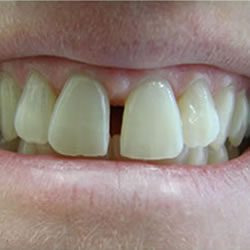
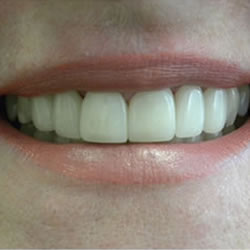
- Placement of dental veneers to improve the look of gapped, stained, or crooked teeth
- Replacement of old or unattractive metal fillings with more natural, tooth-colored materials
- Placement of crowns and bridges to repair and replace missing or severely damaged teeth
- Correction of small spaces or gaps between teeth by bonding with tooth-colored composite resin
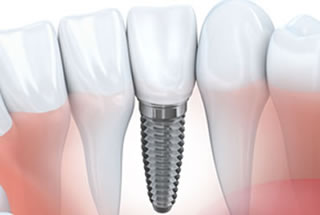
- Insertion of dental implants to replace missing teeth
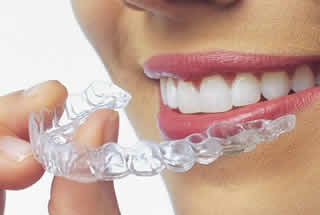
- Straightening of teeth and correction of bite problems with braces or Invisalign
Because your family dentist is already aware of your family’s dental history, it will be simple to recommend treatment plans. With this knowledge, your dentist can also quickly and expertly assess if you or other members of your family are suitable candidates for the procedures you are seeking. Your family dentist can perform all the same services as both a pediatric dentist and a general dentist, and will be able to address the cosmetic dental concerns of every member of your family. Family dentists can provide advice as to which procedures are age appropriate and give guidelines for when treatment is recommended.
If anyone in your family is not pleased with the appearance of their teeth, consult first with your family dentist to find out what cosmetic dental procedures and treatments are offered to improve the quality of their smile.
We look forward to seeing you in our Toronto dental office


 E-Mail Us
 416-595-5490