If you are either planning to undergo cosmetic dental procedures or necessary treatments for dental problems, there is a case to be made for considering sedation dentistry. Sedation dentistry refers to the use of medications in varying forms to calm and relax you prior to and during a dental procedure. Just a few reasons to consider dental sedation include:
- Dental sedation can be used for essentially all regular dental procedures. Under sedation, your dentist can accomplish far more in one appointment, meaning less overall time for you in the dental chair. Procedures that may normally take 2 or 3 visits to the dentist can be completed all in one visit with the help of dental sedation.
- Normally, dentists do not like to work on both sides of the mouth at the same time as this requires anesthesia to each side and could cause the patient to bite their tongue. Sedation dentistry allows your dentist to work on both sides of the mouth in one sitting.
- Dental sedation allows you to feel relaxed and free from stress while the actual procedure is being performed. In many cases, even though you are still conscious, you will not remember any of the actual time you spent in the dentist chair.
With sedation dentistry, there is no need to dread dental treatments and procedures. Your fears and anxiety should not deter you from seeking the cosmetic or restorative dental care that you desire. Consult with your dental professional about the options offered for sedation, and schedule your oral care with the confidence that you will have a calm and pleasant experience while improving your smile.
Take the first step towards optimal oral hygiene. Reserve your dental appointment at our Toronto dental office now and experience personalized care.
One extremely common fear shared by many people is a fear of the dentist. Patients who possess this fear are often anxious and nervous about the sights, sounds and smells of a dentist’s office. Just imagining a routine visit can leave someone shaken and fearful, unable to sleep the nights prior to treatment.
Patients who share this common fear can put off necessary dental work. A fear of pain or needles can lead a patient to tolerate tooth pain or signs of infection in the mouth. If this sounds like you, talk to your dentist about sedation dentistry options.
Many people assume you must be fearful at a phobic level to benefit from sedation dentistry. This isn’t true! Sleeplessness, anxiety and low-level fear can all be helped with some form of sedation dentistry. Oral sedatives can be prescribed to be taken the night prior to a dentist visit, as well as the day of, to ensure a restful night’s sleep and an easy day before treatment.
Sedation dentistry during procedures is very safe, as you are monitored at all times by the dentist. Because of the deep level of relaxation possible utilizing sedation dentistry, more work can be done in a single visit, cutting down on trips to the dental office.
General dentistry procedures such as checkups, regular cleanings and cosmetic treatments can all be performed on a patient being treated with sedation dentistry. For a patient with fear and anxiety, each therapy can be made better with the addition of sedation dentistry.
Over time, with the use of sedation dentistry, some of your fears and anxieties can begin to lessen. Positive experiences can build up mental and emotional trust in the dentist, and patients can find that they need less and less of the sedation to feel comfortable.
Take the first step towards a confident smile. Contact our Toronto dental office to schedule your consultation!
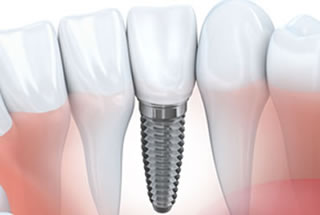
Many types of cosmetic dentistry procedures such as crowns, bridges, tooth implants, or other invasive procedures require some kind of anesthesia in order to be performed in comfort for the patient. Even a procedure like porcelain dental veneers can be aided by the addition of some kind of sedation dentistry, especially if the patient is experiencing anxiety or fear regarding the treatment. For any patient seeking a more relaxed cosmetic dental experience, sedation dentistry presents several options.
Inhaled sedation, or nitrous oxide, is more commonly known as “laughing gas.” It is inhaled via a mask and is controlled by your dentist. It is a light sedation, and allows you to remain completely responsive and compliant to instruction. Nitrous oxide sedation wears off quickly; because of this, you may be able to drive yourself home after your treatment.
Conscious oral sedation reduces your anxiety while still allowing for responsiveness to requests and directions. Oral sedatives are typically prescribed in pill form, and can be taken up to an hour before your dental procedure. Some dentists believe that taking a mild oral sedative the night before treatment can alleviate anxiety and ensure proper rest. You should not drive yourself home if you have taken an oral sedative for your dental treatment. You will not be fully alert.
IV sedation is also known as “sleep dentistry.” It provides the most relaxed dental experience, allowing you to be deeply sedated while never completely unconscious. A natural effect of the drugs is full or partial memory loss of the time during its use, so you may have no memories of your procedure. You should never drive following IV sedation, and you may not be fully alert for several hours. Plan to go home, rest, and sleep.
Your cosmetic dentist wants you to be comfortable throughout your dental therapy and will know which sedation dentistry option is right for your particular cosmetic dentistry procedure. Talk to your cosmetic dentist today about any concerns you have regarding your treatment so that you may have the most positive, pain and anxiety-free experience possible.
Do not let another day go by without taking care of your dental needs. Request an appointment now at our Toronto dental office!
A tooth that has been damaged by decay or trauma may need endodontic treatment, also called root canal therapy, in order to save the tooth. Although it may sound like a scary procedure, advances in dentistry have made it a much less painful or upsetting process than it used to be. This treatment is worth it to restore your smile as naturally as possible.
How do you know you might need endodontics? You may experience pain in the tooth, sensitivity to hot or cold foods or beverages, or swelling in the area. Severe cases may have a discharge of pus near the tooth. However, not all cases of a badly damaged tooth result in noticeable symptoms. That’s one reason it’s important to maintain regular checkups with your dentist, who will pick up on problems with a tooth that you may not realize is damaged. Examination and testing such as X-rays can help diagnose a tooth that is in dire need of repair.
When possible, dentists strive to save your real tooth. Sometimes the best way to do that is through root canal therapy, which involves removing the damaged tooth pulp from the interior of the tooth. Using local anesthesia to make you comfortable, the dentist or endodontist uses special tools to enter the root canal, remove the pulp, and clean the area thoroughly. Once the tooth is ready, a crown is usually placed on top of the existing tooth to protect it from future damage and to complete the process. Sometimes antibiotics are prescribed if an infection was present to help ensure that you are in the best of health.
Endodontic treatment is often compared by patients to simply getting a regular tooth filling. The procedure is usually completed in one office visit and it won’t be long before you are back to your normal routine, with a fully restored natural tooth in your smile.
Do you live in Toronto or the surrounding area? Our team is ready to help you achieve your smile goals. Schedule your appointment today.
Tooth decay that is allowed to become severe can cause extensive damage to your tooth, even resulting in tooth loss if not treated. Sometimes symptoms are present that cause you to visit your dentist, but other times it’s just a regular checkup that catches a problem.
The source of trouble usually begins with a small area of tooth decay that goes unnoticed. Bacteria attacks, decay thrives, a cavity may form, and infection can spread. Cavities may be filled to repair the tooth and eradicate infection, but advanced cases of decay can reach the tooth’s interior. Once it gets to the pulp, serious damage can set in. This is when symptoms often appear, sometimes becoming severe.
Once damage reaches your tooth’s pulp, some common symptoms that will prompt you to call your dentist may include:
- Slight to severe pain when biting, chewing, or even putting slight pressure on the tooth
- Minor to extreme sensitivity when your tooth comes into contact with anything hot or cold
- Inflammation or swelling near the gum line surrounding the affected tooth
- Ongoing aches in the general area of the damaged tooth, including headaches, neck aches, or earaches
- Ulcers or bumps near the damaged tooth
- Difficulty performing normal mouth functions like eating
If you experience any of these symptoms, it’s time to visit your dentist for an evaluation. Root canal therapy might be recommended to restore your tooth’s health and regain comfort and functionality. Root canal treatment involves cleaning the damaged areas of the tooth pulp to remove infection and bacteria, filling the open space, and sealing it to prevent future damage. Sometimes a crown is placed on top to complete the process.
When a tooth is severely damaged, root canal therapy provides your best chance for restoration and optimum oral health. Your dentist will effectively and safely perform the procedure, and at the same time relieve the related symptoms that you may be experiencing.
Take the first step towards optimal oral hygiene. Reserve your dental appointment at our Toronto dental office now and experience personalized care.
Even though regular checkups and proper dental hygiene greatly decrease the need for root canal treatment, the fact remains that it is one of the most common procedures performed by dentists today. What are some of the most common reasons you might need this dental solution?
Decay:
The primary cause for root canal procedures is decay that has entered the tooth pulp chamber and progressed to the point of causing infection or abscesses. Pain and tooth sensitivity often accompanies severe decay. Root canal treatment is the best way to avoid tooth extraction and restore oral health.
Trauma:
If a tooth endures strong force such as from a sports injury, car accident or fall, the trauma can damage the tooth so badly that root canal treatment is needed. Even if trauma isn’t completely evident at first, a severed nerve to the tooth can cause it to die over time.
Genetics:
Traits of teeth like their strength are passed along through genes. Some people inherit soft teeth that are more prone to decay, making it difficult to avoid decay even with diligent oral hygiene.
Tooth fracture:
A tooth can be fractured through chewing hard foods or ice, teeth grinding or clenching, or habits like nail biting. Even hairline fractures may allow bacteria to enter the tooth’s pulp and cause infections. Once the bacteria takes hold, root canal treatment may become necessary.
Deep cavity:
Deep cavities within teeth can allow infections to thrive, eventually causing the tooth to become inflamed or die. A deep cavity isn’t necessarily painful, so patients may not even realize they have an infection. Regular dental checkups help catch cavities early, before they are able to become so deep and serious.
Previous dental work:
Extensive or repeated dental work can cause trauma to teeth nerves and associated inflammation, making root canal therapy an important solution.
Do you live in Toronto or the surrounding area? Our team is ready to help you achieve your smile goals. Schedule your appointment today.


 E-Mail Us
 416-595-5490