With an estimated 49 million adults in the United States wearing dentures, there are lots of lessons learned about wearing them. Virtually everyone will say that it took a little adjustment time before they were comfortable and confident with their new teeth. It can help to know what to expect with wearing dentures at first.
Your dentures may feel very strange the first day you get them. They can seem too big for your mouth, and as though your lips are out of place. These strange sensations will disappear with time. You may also notice more saliva than usual in your mouth. This is a natural response of your mouth as it grows accustomed to the appliance.
A liquid diet is recommended by many dentists for the first couple of days after getting dentures. Then you may begin eating soft foods, like cooked vegetables, eggs, and fish. Take small bites and chew slowly. Avoid biting into foods with your front teeth.
Mouth soreness from your dentures should go away after a few days. If it lasts longer than a week, call your dentist to ask if you should be seen. You may experience minor mouth sores for the first couple of weeks that you wear dentures. This is normal as you give your mouth time to adjust. If the sores are severe, call your dentist.
Dentists recommend that you remove your dentures for a minimum of eight hours each day to give your gums a rest. Most patients do this at night while sleeping. Your dentist will provide instructions about how to care for your dentures and where to store them when not wearing them. Be sure to follow the instructions for care to ensure that your dentures last as long as possible.
Ready to transform your smile? Schedule your appointment today at our Toronto dental office.
If you’ve been wearing dentures for a while, you may have some complaints. They might fit poorly and shift or click when you talk or eat. Poor fit can lead to discomfort and sores in the mouth that worsen over time, or they can collect food underneath them, leading to bad breath.
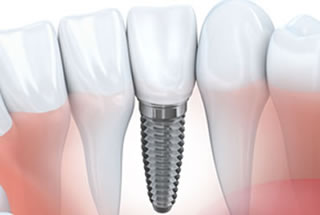
If this sounds familiar to you, there might be alternatives for you. One of the newest developments in dentures is the pairing of standard dentures with dental implants. The dental implants are placed directly into your jawbone, providing the kind of stability only previously offered by natural teeth. Dentures fixed in the mouth with dental implants become something new: hybrid dentures.
Dentures that utilize dental implants as their anchors are very stable. They enable denture wearers to enjoy foods previously denied them, such as crisp, healthy foods or chewy cuts of meat. Eliminating the food restrictions present for many denture wearers allows them to eat a wider variety of foods, helping to reduce the risk of poor nutrition and the poor health associated with it, including digestion difficulties.
Because of this increased stability, the denture itself can be made smaller. A standard denture covers the roof of the mouth completely, inhibiting the taste and texture of foods. A denture designed around dental implants, however, has an open roof and facilitates a greater enjoyment of foods of all kinds, as well as a more natural feel for your tongue.
Dental implants also stimulate bone by mimicking natural tooth roots. This stimulation allows the bone to continue to be strong and alive, whereas the bones of the face can begin to shrink once a tooth has been extracted. This bone shrinkage leads directly to poor denture fit. Dental implants used with dentures avoid this issue.
If you are a denture wearer and you’d like to see some changes in how your dentures fit, talk to your dentist to see how using dental implants can improve your denture experience.
Take the first step towards optimal oral hygiene. Reserve your dental appointment at our Toronto dental office now and experience personalized care.
Dentures have been around a long time as a way to restore smiles plagued by missing teeth. They provide a solution for people who want to smile, talk, and eat as normally as possible. Unfortunately, removable dentures aren’t without issues. They can become loose or shift, making it uncomfortable to eat and talk. Messy denture adhesives are bothersome and ineffective for some patients. Therefore, advancements in dental technology have developed the option of permanent dentures.
What are permanent dentures?
Permanent, or fixed, dentures are suitable for patients missing one, two, or more teeth. The appliance is made up of a row of crowns or artificial teeth, which are connected together and the framework is supported by dental implants. The implants act like natural tooth roots, and the permanent dentures create a bite similar to natural teeth.
What are the benefits?
Fixed dentures definitely offers some advantages to removable ones. The need for messy adhesives is eliminated, and you don’t have to worry about loose or ill-fitting dentures affecting you. The force of your bite is also improved, so you can eat all kinds of foods without concern. Because a permanent upper denture doesn’t cover the roof of your mouth, your ability to taste and enjoy food is not sacrificed. This kind of denture stays in place for normal oral hygiene, so there are no special cleaning or soaking requirements. If properly maintained, permanent dentures can last for many years or even a lifetime.
Are there any disadvantages?
Permanent dentures are susceptible to oral problems like infection or inflammation because they are not removable. Also, it is possible that the crowns may require replacement in 10 to 15 years.
We look forward to seeing you in our Toronto dental office
After suffering tooth loss for any reason, it’s important to restore your mouth’s function and appearance with restoration options through your dentist. In the past, many patients have gotten dentures for this purpose. Dental implants provide a newer and very popular option. If you already have dentures but aren’t completely satisfied with them, is it possible to change to dental implants instead?
The answer is yes! Of course, you need to consult your dentist to make sure that you are a good candidate for implants. There are a number of reasons that denture wearers might decide that implants are a better solution to their tooth replacement needs. Some patients find dentures to be uncomfortable because they don’t stay in place securely or they irritate the gums. Some find a more permanent remedy to be more appealing than dentures, and implants do provide a long-lasting solution to tooth loss. If patients with dentures don’t like them and aren’t wearing them consistently, they aren’t achieving the goal of restoration.
There are some additional complications that can occur with dentures, making implants more appealing. Trouble speaking and eating is a hazard if the dentures slip, as well as jawbone loss and increased wrinkles. Some patients even alter their diets due to problems eating certain foods. The increased dental hygiene regimen also bothers some patients who are unwilling to do the extra tasks required.
If you dislike your dentures, consider making the switch to dental implants. It might restore your self-confidence as well as your mouth’s function and appearance.
Schedule your appointment at our Toronto dental office
No matter how much you want to preserve your real teeth, it’s not uncommon for people to lose teeth. It may occur with age, decay, gum disease, or injury. If this happens to you, there’s no reason to go through life missing teeth in your smile. It’s better to quickly see your dentist for replacement teeth, so that you avoid shifting of your remaining teeth, speech problems, or saggy facial muscles. One solution that your dentist will likely offer to restore your smile is dentures. Here are some tips to help you select the right dentures for you.
Dentist
An important step in the process of getting dentures is making sure you have a qualified and experienced dentist treating you. Most dentists provide dentures as part of their services, or you may choose to go to a prosthodontist. This type of specialist focuses on restorative dentistry. No matter who you choose, make sure that you are confident you will get dentures that meet your specific goals and needs.
Type of dentures
There are several types of dentures available, each with their own attributes. These are the main kinds:
- Full dentures – an acrylic appliance that replaces all of the teeth in your upper jaw. These are functional and replicate your real teeth, and are usually comfortable when fitted correctly.
- Partial dentures – these replace one or two missing teeth using a dental arch. Partial dentures are made of acrylic, metal, plastic, or a combination of these materials. These are attached with a clip that holds them in place in your mouth.
- Permanent dentures – these dentures are permanently attached and require almost no maintenance. They are the costliest of the types of dentures.
Color
Dentures are available in various shades of white so that you can select the color that is most natural for you. Be careful about choosing the brightest white color, which may look unnatural compared to the color of your real teeth. Your dentist will help you find a neutral color that looks best with your smile and complexion.
If you live in the Toronto area contact us today
Once you’ve received dentures to restore missing teeth, it will take some time to get accustomed to them. There’s no reason to be alarmed or frightened about wearing dentures, because most patients go through the same adjustment period. If you’re aware of the potential issues and how to react to them, the process will be easier for you. Here are some rules to follow as you begin wearing dentures.
Don’t try to fix them yourself.
Even though dentures are customized just for you, that doesn’t mean they always fit perfectly right away. There might be some molding defects or other minor flaws that cause the dentures not to fit exactly right or rub sores on your gums. If this happens, don’t try to correct the problem yourself. Take your dentures back to your dentist to explain what’s bothering you, and give your dentist a chance to properly and safely adjust them without damaging the dentures.
Watch your diet.
Similar to getting braces at first, you’ll want to stick to eating soft foods for the first few days of denture wear. Avoid foods that are sticky or hard to chew. Focus on chewing with your back teeth instead of the front part of your dentures, and cut your food into small bites.
Soak your dentures.
Soaking your dentures in a solution recommended by your dentist can help keep them hydrated. This will avoid dryness, which causes friction between your dentures and gums and can lead to mouth sores.
You’re going to unintentionally bite yourself.
It’s part of wearing dentures at first; you’ll probably bite the insides of your cheeks. It’s a natural part of adjusting to the appliance in your mouth, and it will subside as you get used to wearing them. Gargling with a fluoride rinse or other mouthwash provided by your dentist may provide relief.
Schedule your appointment at our Toronto dental office


 E-Mail Us
 416-595-5490