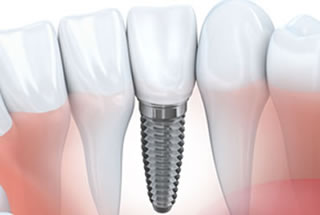

Wisdom Teeth Removal

WISDOM TEETH REMOVAL

Removing wisdom teeth, improving your oral health

Wisdom teeth removal is a common dental procedure that involves the extraction of one or more wisdom teeth, which are the final set of molars that typically emerge in a person’s late teens or early twenties. While some people may not experience any issues with their wisdom teeth, others may require removal due to various reasons such as impaction, infection, crowding, or decay. This procedure is typically performed by an oral surgeon or a dentist and is considered a routine outpatient surgery. 

What is wisdom teeth removal?

Wisdom teeth are the third set of molars located at the back of your mouth, usually appearing between the ages of 17 and 25. While these teeth can be useful for chewing and grinding food, they can also cause problems if they do not have enough space to grow properly. Wisdom teeth removal is a common dental procedure that is often recommended to prevent potential issues.

The procedure of wisdom teeth removal involves a minor surgical process to extract the teeth. The process is typically performed by an oral surgeon or a dentist, depending on the complexity of the case. Before the procedure, the dentist will administer local anesthesia to numb the area around the wisdom teeth. In some cases, the dentist will administer laughing gas sedation or general anesthesia to put the patient to sleep during the procedure.

Once the anesthesia has taken effect, the dentist will make an incision in the gum tissue to expose the wisdom teeth and the bone. The teeth are then gently loosened and removed from the sockets. After the extraction is complete, the dentist will place stitches in the gums to promote healing.

It is common to experience some pain and swelling following wisdom teeth removal. Your dentist will provide you with instructions on how to manage any discomfort and prevent infection. It is important to follow these instructions carefully to ensure a smooth and quick recovery.

What to expect during wisdom teeth removal

Wisdom teeth removal is a routine dental procedure that involves the extraction of one or more wisdom teeth, the final set of molars that typically emerge in late adolescence or early adulthood. This procedure is often recommended to prevent potential oral health problems, such as gum disease, tooth decay, and overcrowding, that can occur when the wisdom teeth do not have enough room to grow properly.

Expect Xrays
Before the procedure, the dentist will perform a comprehensive examination of the teeth and gums, and may take X-rays to determine the position and condition of the wisdom teeth. Based on the findings, the dentist will then recommend the best course of action, which may include removal of one or more wisdom teeth.

Expect Anesthesia
During the procedure, the patient will be given anesthesia to ensure comfort and minimize pain. The type of anesthesia used will depend on the patient’s preference and the complexity of the case. Local anesthesia is typically used to numb the area around the wisdom teeth, while laughing gas or general anesthesia may be recommended for patients who prefer to be sedated or asleep during the procedure.

Expect Extraction
Once the anesthesia has taken effect, the dentist will make an incision in the gum tissue to expose the wisdom teeth and the bone. The teeth are then gently loosened and removed from the sockets using specialized instruments. After the extraction is complete, the dentist will place stitches in the gums to promote healing.

More Questions about Wisdom Teeth Removal?
Contact our office today to schedule a consultation. We can answer any question you have about wisdom teeth removal and address any issues unique to your specific situation. We look forward to seeing you.

What are reasons why wisdom teeth might need removal?

There are several reasons why wisdom teeth might need to be removed. Here are some of the most common reasons:

  • Lack of space: If there is not enough room in the mouth for the wisdom teeth to fully emerge, they can become impacted and cause pain or infection.
  • Crowding: Wisdom teeth can push against neighboring teeth, causing crowding, shifting, and damage to adjacent teeth.
  • Angle of growth: If wisdom teeth grow at an angle, they can cause pain, discomfort, and damage to other teeth.
  • Decay and gum disease: Wisdom teeth can be difficult to clean properly, increasing the risk of tooth decay and gum disease.
  • Cysts and tumors: In rare cases, cysts or tumors can develop around impacted wisdom teeth, causing pain and potential damage to the jawbone.

If you experience any of these symptoms or signs, it’s important to schedule a consultation with our Toronto dentist to determine if wisdom teeth extraction is necessary.

What are impacted wisdom teeth?

Impacted wisdom teeth occur when the teeth do not have enough space to grow properly and become stuck or partially emerged in the gum tissue or jawbone. Here is an overview of the symptoms and treatment options for impacted wisdom teeth:

Symptoms:

  • Pain and discomfort in the back of the mouth
  • Swelling and redness of the gums
  • Difficulty opening the mouth
  • Bad breath and unpleasant taste in the mouth
  • Headaches and earaches

Treatment:

  • If you are experiencing symptoms of impacted wisdom teeth, it is important to consult with a dentist or oral surgeon. They may recommend removing the impacted teeth to prevent further complications.
  • Prior to the procedure, local or general anesthesia will be administered to ensure your comfort during the process.
  • The teeth will then be gently loosened and removed from the sockets, and stitches may be placed to promote healing.
  • After the procedure, your dentist will provide you with instructions on how to manage any discomfort and prevent infection.

More Questions about Impacted Wisdom teeth?
Contact our office today to schedule a consultation. We can answer any questions you have about impacted wisdom teeth extraction.

What is pericoronitis and how is it treated?

Pericoronitis is an inflammation of the gum tissue surrounding a partially erupted tooth, most commonly the wisdom teeth. It occurs when bacteria and debris get trapped under the gum flap covering the tooth, leading to infection and swelling. Here is an overview of how pericoronitis is treated:

Symptoms:

  • Pain and tenderness in the affected area
  • Swelling and redness of the gum tissue
  • Difficulty opening the mouth
  • Bad breath and an unpleasant taste in the mouth
  • Fever and swollen lymph nodes (in severe cases)

Treatment:

  • The first step in treating pericoronitis is to clean the area thoroughly to remove any debris and bacteria.
  • Your dentist may prescribe antibiotics to treat the infection and reduce inflammation.
  • Over-the-counter pain medications such as ibuprofen may be recommended to manage pain and discomfort.
  • Warm salt water rinses can help reduce swelling and promote healing.
  • In some cases, the dentist may need to perform a minor surgical procedure to remove the gum flap covering the tooth, allowing it to fully emerge and preventing future episodes of pericoronitis.

Call us at Dr. Yolanda Cruz Dentistry if you are experiencing symptoms of pericoronitis. You may need treatment to prevent the infection from spreading and causing further complications.

How can I prepare for wisdom teeth extractions?

Preparing for a wisdom teeth removal procedure can help ensure a smooth and successful surgery and recovery. Here are some tips on how to prepare:

  • Consult with our dentist: Before the procedure, it is important to consult with our dentist to discuss any pre-existing medical conditions or medications you are taking that may affect the procedure or recovery process.
  • Arrange for transportation: You will likely be under the influence of anesthesia during the procedure and will not be able to drive home. Arrange for someone to drive you to and from the dental office.
  • Plan for downtime: Plan to take a few days off work or school to allow for a proper recovery period.
  • Stock up on supplies: Before the procedure, purchase soft foods such as soup, yogurt, and smoothies, as well as ice packs to help reduce swelling.
  • Follow pre-operative instructions: Your dentist will provide you with instructions on what to do and what to avoid before the procedure. This may include avoiding food and drink for a certain amount of time before the procedure.

By following these tips, you can ensure that you are fully prepared for your wisdom teeth removal procedure and set yourself up for a successful recovery. Schedule a consult with our dentist to determine if a wisdom tooth extraction is necessary.

ADDITIONAL FREQUENTLY ASKED QUESTIONS ABOUT WISDOM TEETH REMOVAL

Can wisdom teeth grow back after they are removed?

No, wisdom teeth cannot grow back once they are removed. The tooth roots are completely extracted, so there is no way for the teeth to regrow.

How many wisdom teeth can be removed at once?

It is possible to remove all four wisdom teeth at once, but the number of teeth removed at once depends on the patient’s overall health, the complexity of the case, and the dentist’s recommendation.

Is wisdom teeth removal painful?

The procedure itself is typically painless due to the use of anesthesia. However, some discomfort and swelling are common following the procedure. Your dentist will provide you with instructions on how to manage any discomfort.

Can you eat after wisdom teeth removal?

It is recommended to wait a few hours after the procedure before eating or drinking anything. Soft, cold foods like yogurt, applesauce, and ice cream are typically recommended during the first few days of recovery.

Is there a dentist near me in Toronto that offers wisdom teeth removal?

Yes.  At our Toronto dental office we offer wisdom teeth removal to patients from Toronto and the surrounding area.  Contact our office today to schedule an appointment.

Inlays & Onlays

Inlays & Onlays

Inlays and Onlays

An alternative to traditional fillings and crowns

You may have heard of dental crowns and fillings to address cavities and dental decay. However, there are lesser-known alternatives such as dental inlays and onlays. Typically, fillings are employed to manage small cavities, while crowns are used for more severe decay or larger fractures. In cases where fillings are inadequate and crowns are excessive, dental inlays and onlays are utilized. These solutions offer a more substantial repair than fillings but are less invasive than crowns, which may require reshaping of the teeth.

What are Inlays and Onlays

Dental restorations such as inlays and onlays are an essential part of modern dentistry. When a tooth is damaged due to decay or trauma, it often requires a restoration to restore its function and aesthetics. Inlays and onlays are two types of indirect restorations that are used to repair a damaged tooth. These restorations are custom-made in a dental laboratory and are designed to fit precisely into the cavity of the tooth. Inlays and onlays are often considered an alternative to traditional dental fillings and are commonly used for restoring molars and premolars that have suffered moderate to severe damage. They offer excellent durability, strength, and aesthetic value, making them an ideal choice for patients who want to preserve their natural teeth.

What is the difference between Inlays and Onlays?

Inlays and onlays serve to repair tooth decay by filling in cavities and hollows in a tooth. An inlay is used to fill spaces between the cusps, while an onlay can be used for larger areas, including the cusps themselves. Although they function similarly to crowns, they do not cover the entire tooth surface. Inlays and onlays are constructed from the same materials and perform the same task, but they protect different regions of the tooth to ensure proper care for tooth decay.

How Long Do Inlays and Onlays Last?

Inlays and onlays are highly durable and long-lasting dental solutions, with an expected lifespan of 5 to 30 years. However, dental professionals cannot guarantee their longevity due to factors like wear and tear and lack of care. Proper dental hygiene habits such as brushing and flossing, along with follow-up visits to the dentist, are crucial to maintaining the stability and health of inlays and onlays. Patients should also take measures to reduce wear and tear, such as using nightguards to prevent teeth grinding and avoiding hard or chewy foods that may damage the material. While there is no set timeframe for their lifespan, the longevity of inlays and onlays depends on overall oral health and proper care.

Is an Onlay Better Than a Dental Crown?

The main contrast between an onlay and an inlay lies in their coverage area. While an inlay fills in the spaces between the cusps, an onlay can also cover the cusps of the tooth. Although they may seem similar to dental crowns, they serve different purposes. Dental professionals use onlays when a less aggressive restoration is required to preserve more of the tooth’s structure, whereas crowns cover the entire tooth, necessitating significant reshaping. The difficulty in obtaining a suitable onlay underscores the importance of the dentist’s skill and expertise. Therefore, neither is inherently superior, and our dentist will recommend the most suitable option for the situation.

onlay close up

Are Inlays Better Than Fillings?

Similar to the ongoing debate between onlays and crowns, determining whether inlays or fillings are better involves considering multiple factors. Generally speaking, inlays are superior because they can fill larger cavities and are more durable than fillings. The amalgam in fillings can expand and contract due to temperature changes, which can cause cracking in the filling or even the tooth itself. Inlays are custom-made from an impression, which allows them to fit perfectly into the cavity and strengthen the tooth. In some cases, they can increase the tooth’s ability to handle up to 75% more chewing force than before the decay.

However, fillings have their own benefits for many patients, particularly the speed at which they can be placed. In contrast to inlays, fillings can typically be completed in just one visit, as the materials are readily available in the office. They are also less expensive and more widely covered by insurance. Ultimately, while inlays may perform better than fillings, their higher cost reflects their superior performance.

types of inlays

What are the different types of inlay and onlay?

There are several different types of inlays and onlays, including:

  • Porcelain inlays and onlays: Porcelain is a popular material for inlays and onlays because it is strong and durable, and can be color-matched to your natural teeth.
  • Composite resin inlays and onlays: Composite resin is a tooth-colored material that is used for both inlays and onlays. It is a more affordable option than porcelain, but may not last as long.
  • Gold inlays and onlays: Gold is a durable and long-lasting material that has been used for dental restorations for many years. Gold inlays and onlays are custom-made and can be very expensive.
  • Ceramic inlays and onlays: Ceramic is a durable material that can be color-matched to your natural teeth. It is a popular option for patients who want a restoration that is both strong and aesthetically pleasing.
  • Hybrid inlays and onlays: Hybrid restorations are made from a combination of materials, such as porcelain and metal, to provide a strong and durable restoration that is also aesthetically pleasing.

We will work with you to determine the best type of inlay or onlay for your specific needs and budget.

ADDITIONAL FREQUENTLY ASKED QUESTIONS ABOUT INLAYS AND ONLAYS

How are inlays and onlays made?

Inlays and onlays are custom-made in a dental laboratory. Your dentist will take an impression of your tooth and send it to the lab, where the restoration will be fabricated from a material such as porcelain, gold, or composite resin.

What are the benefits of inlays and onlays?

Inlays and onlays provide a strong and durable restoration that can last for many years. They are custom-made to fit your tooth, providing a precise and comfortable fit. They are also aesthetically pleasing and can be matched to the color of your natural teeth.

How long does it take to get an inlay or onlay?

The process of getting an inlay or onlay typically takes two visits to the dentist. During the first visit, your dentist will prepare the tooth and take an impression. The restoration will then be fabricated in a dental laboratory. During the second visit, the restoration will be cemented into place.

How do I care for my inlay or onlay?

You should care for your inlay or onlay the same way you care for your natural teeth. This includes brushing twice a day, flossing daily, and visiting your dentist for regular checkups and cleanings.

Can inlays and onlays be repaired if they are damaged?

In some cases, inlays and onlays can be repaired if they become damaged or broken. However, if the damage is extensive, the restoration may need to be replaced.

Are inlays and onlays covered by insurance?

Inlays and onlays are typically covered by dental insurance plans. However, the amount of coverage may vary depending on your plan and the type of restoration you receive. Your dentist can help you understand your insurance coverage and any out-of-pocket costs.

Is there a dentist near me in Toronto that offers inlays and onlays?

Yes.  At our Toronto dental office we offer inlays and onlays to patients in Toronto and the surrounding area.  Contact our office today to schedule an appointment.

Full Mouth Restoration

Full Mouth Restoration

Full Mouth Restoration

Restore your teeth and reclaim your smile

Are you tired of feeling self-conscious about your smile? Do you have multiple dental issues that are affecting your oral health and overall well-being? A full mouth restoration may be right option for you. This comprehensive dental treatment is designed to address all of your dental concerns and transform your smile. With a full mouth restoration, you can achieve a healthy, functional, and beautiful smile that will boost your confidence and improve your quality of life. Let’s explore what a full mouth restoration entails and how it can benefit you.

middle aged woman smiling

What is a full mouth restoration?

Full mouth restoration is a comprehensive dental treatment that involves restoring or replacing all of the teeth in the upper and lower jaws. This treatment is designed for individuals who have multiple dental problems, including missing, damaged, or decayed teeth, gum disease, bite problems, and other oral health issues. Full mouth restoration is a customized treatment plan that may involve a combination of dental procedures, such as dental implants, crowns, bridges, veneers, gum treatments, and orthodontics. The goal of full mouth restoration is to restore the health, function, and appearance of the entire mouth, improving the patient’s oral health and quality of life. If you have multiple dental issues that are impacting your smile, Full Mouth Restoration may be the solution you’ve been looking for.

What procedures are part of a full mouth restoration?

A full mouth restoration might include any of the following procedures:

  • Dental implants: A surgical procedure to replace missing teeth with artificial teeth that are anchored to the jawbone.
  • Crowns and bridges: Restorative dental procedures that can be used to repair damaged or missing teeth.
  • Veneers: A cosmetic dental procedure that involves placing thin shells of porcelain or composite resin on the front surface of the teeth to improve their appearance.
  • Orthodontics: A branch of dentistry that involves the use of braces, clear aligners, or other appliances to straighten teeth and correct bite problems.
  • Periodontal (gum) therapy: Treatment of gum disease, which can involve scaling and root planing, antibiotics, and other procedures.
  • Endodontic (root canal) therapy: A procedure to remove infected or damaged tissue from the inner part of a tooth and replace it with a filling.
  • Dental fillings: A procedure to remove decayed material from a tooth and fill the cavity with a restorative material such as composite resin or amalgam.
  • Dental bonding: A cosmetic dental procedure that uses a tooth-colored resin to repair chipped, cracked, or discolored teeth.
  • Tooth extractions: Removal of a tooth that is damaged, decayed, or causing other dental problems.
  • TMJ (temporomandibular joint) therapy: Treatment for disorders of the jaw joint, which can involve exercises, medication, or in severe cases, surgery.
  • Bone grafting: A surgical procedure to replace missing bone in the jaw to provide support for dental implants or other restorations.
  • Sinus lifts: A surgical procedure to add bone to the upper jaw in order to support dental implants.
  • Gum grafting: A surgical procedure to replace lost or damaged gum tissue.
  • Teeth whitening: A cosmetic dental procedure that uses bleaching agents to lighten the color of the teeth.

More Questions about Full Mouth Restorations?
Contact our office today to schedule a consultation. We can go over all your dental options and customize a dental plan just for you. We look forward to seeing you.

man in dental chair looking at monitor

Are you a candidate for a full mouth restoration?

Patients who suffer from multiple dental issues such as chipped or missing teeth, cracked or broken crowns, severe decay, enamel breakdown, and stains may benefit from a full mouth restoration. This comprehensive treatment approach aims to restore the function, health, and aesthetic of the entire mouth.

Dental issues such as missing or damaged teeth can make it difficult to chew, speak, and even smile with confidence. A full mouth restoration can address these issues and restore the ability to perform basic oral functions with ease. It can also enhance the appearance of your teeth and boost your self-esteem.

Moreover, some patients choose to undergo a full mouth restoration to correct crooked or misaligned teeth without undergoing orthodontic treatment. This is especially beneficial for those who may not have the time or patience for traditional braces or aligners.

If you’re experiencing dental pain or discomfort, difficulty eating or speaking, or if you’re unhappy with the appearance of your teeth, schedule a consult with our Toronto dentist to determine if a full mouth restoration is right for you. We will evaluate your oral health and create a personalized treatment plan that addresses your individual needs and goals.
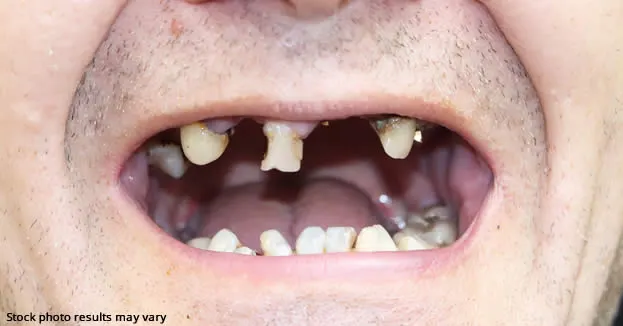
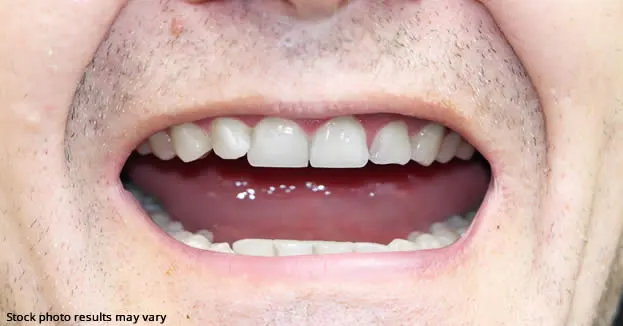
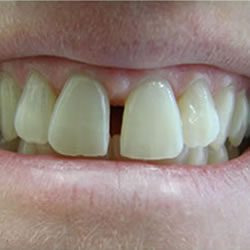
before full mouth restoration mouth
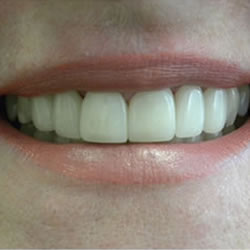
after full mouth restoration mouth

Planning full mouth restoration

A dental professional will evaluate and plan out a full mouth restoration by performing a comprehensive examination of the teeth, gums, and jawbone. This process includes several steps:

  • Comprehensive Dental Exam: The first step in planning a full mouth restoration is a comprehensive dental exam, which includes taking x-rays, photographs, and impressions of the teeth and gums. This allows the dentist to evaluate the overall health of the mouth and identify any underlying issues that need to be addressed.
  • Oral Health Evaluation: The dentist will evaluate the overall oral health of the patient, which includes examining the teeth and gums for signs of decay, damage, or infection. They will also check for signs of periodontal disease, which can affect the health of the gums and bone supporting the teeth.
  • Bite Analysis: The dentist will evaluate the patient’s bite and jaw function to determine if there are any issues with alignment or temporomandibular joint (TMJ) disorder.
  • Treatment Planning: Based on the findings of the examination, the dentist will create a personalized treatment plan that addresses the patient’s individual needs and goals. This may involve restorative procedures such as fillings, porcelain crowns, or bridges, orthodontic treatment, periodontal treatment, and cosmetic dentistry procedures such as teeth whitening or veneers.
  • Reviewing Treatment Options: The dentist will review the treatment plan with the patient, explaining the various options available and their benefits and risks. They will also discuss the expected timeline, cost, and any possible complications or side effects.
  • Follow-Up: Once the treatment plan has been agreed upon, the dentist will schedule the necessary appointments and follow-up visits to ensure the success of the full mouth restoration and maintain the health and longevity of the restorations.

ADDITIONAL FREQUENTLY ASKED QUESTIONS ABOUT FULL MOUTH RESTORATIONS

Can a full mouth restoration fix my crooked teeth without braces?

Yes, a full mouth restoration can involve cosmetic procedures such as veneers or bonding to improve the appearance of crooked or misaligned teeth.

Will my full mouth restoration look natural?

Yes, a skilled and experienced dentist can create natural-looking restorations that blend in with your existing teeth and enhance the appearance of your smile.

How much does a full mouth restoration cost?

The cost of a full mouth restoration can vary depending on the extent of the treatment. It is important to schedule a consultation with at our dental office to get an accurate estimate of the cost.

Can a full mouth restoration improve my overall oral health?

Yes, a full mouth restoration can address multiple dental issues, such as decay, damage, or misalignment, which can improve the overall health of your mouth.

Is there a dentist near me in Toronto that offers full mouth restorations?

Yes.  At our Toronto dental office we offer full mouth restorations to patients from Toronto and the surrounding area.  Contact our office today to schedule an appointment.

Dental Crowns & Bridges

Dental Crowns & Bridges

Dental Crowns & Bridges

Protect your teeth and restore your natural smile

Are you tired of hiding your smile due to missing or damaged teeth? Look no further than dental crowns and bridges! These cosmetic dental procedures offer a permanent solution to restore your smile and boost your confidence. Whether you’re dealing with decay, injury, or simply looking to enhance your appearance, dental crowns and bridges can provide a natural-looking and durable solution. Read on to learn more about how these procedures can transform your smile and improve your oral health.

WHY DO YOU NEED A DENTAL CROWN?

In the past, you may have had fillings to repair your teeth therefore you may wonder why you require an onlay or crown this time? Both of these options are an ideal way to restore teeth that have large, old restorations that can’t be repaired. Dental crowns also help to strengthen teeth after root canal therapy. These restorations are also recommended to restore a tooth that has been fractured or extensively damaged by decay in a way that a filling can’t fix.

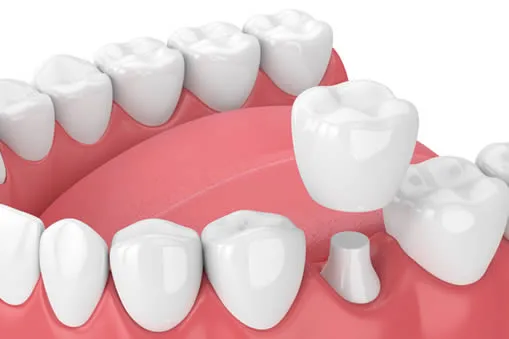
Crowns are designed to adhere to your remaining tooth structure and cover your tooth like a cap. This allows it to encase the entire tooth, so you can eat, chew, brush, and floss with ease again.

cheerful couple

WHY DO YOU NEED A DENTAL BRIDGE?

Missing teeth look unattractive, undermine your self-confidence, and make speaking and chewing uncomfortable. A bridge is a solution for replacing one or multiple missing teeth that are adjacent. It relies on adjacent teeth as anchors for one or more prosthetic teeth in the middle. These teeth support the bridge which will restore the lost function and aesthetics.

There are benefits when choosing a dental bridge such as:
• A bridge is a fixed, long-term solution that can be a better choice for some patients than an appliance that is removable.
• A bridge prevents teeth from drifting into the empty space
• A bridge is a great alternative when we can’t utilize a dental implant.

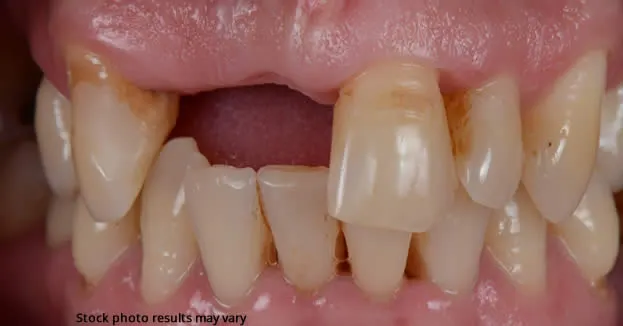
close up before dental bridge
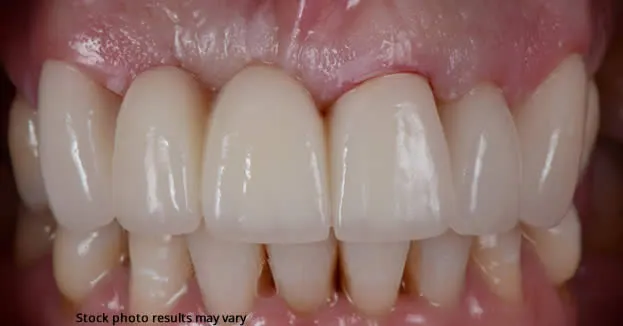
close up after dental bridge

What Types of Dental Bridges Are Available?

Dental crowns generally have a uniform structure, but the various types of dental bridges exhibit distinct variations in their structure. At present, four different types of dental bridges are available: traditional, cantilever, Maryland, and implant-supported. The traditional dental bridge is composed of two dental crowns utilized as anchors with a fake tooth or teeth placed in the middle, making it one of the most widely used types of dental bridges. Similarly, a cantilever bridge utilizes an anchor crown only on one adjacent tooth to the missing tooth. Due to the potential excessive strain on the anchor tooth, cantilever bridges are usually not recommended, although they may be necessary towards the back of the mouth. A Maryland dental bridge, like a traditional dental bridge, employs the same structure, but instead of dental crowns, it employs a metal framework attached to the backs of the two teeth on either side of the gap. Finally, an implant-supported dental bridge is identical in structure to a traditional bridge, but with dental implants serving as the anchor teeth.

What Types of Dental Crowns Are Available?

Although the structure of dental crowns remains consistent, the materials used to make them can vary significantly. Dental crowns are typically made from stainless steel, metal, porcelain fused to metal, all-resin, or all-ceramic/all-porcelain materials. Stainless steel crowns are commonly used in children on baby teeth or as temporary crowns, while metal crowns made from gold, platinum, or base metal alloys are a more common choice for permanent crowns. Porcelain fused to metal (PFM) crowns feature a metal base with a ceramic exterior, which provides both strength and a natural appearance. All-resin crowns are made from dental composite resin and can be color-matched to your teeth, while all-ceramic/all-porcelain crowns offer a stronger alternative to all-resin and can also be matched to the natural color of your teeth.

single dental crown

How Is a Dental Crown or Bridge Placed

Placing a dental crown or bridge requires two appointments. During the initial appointment, dental impressions will be taken, and your tooth or teeth will be prepared. Dental impressions are critical in creating a mold of your mouth that will be sent to a dental laboratory. The dental laboratory will use this information to create a custom-made dental crown or bridge. Your tooth or teeth will also need to be prepared for the placement of a crown or bridge. To accomplish this, your mouth will first be numbed to ensure your comfort. The decayed tissue is then removed, and the remaining tissue is reshaped. This process will need to be repeated for each tooth that is receiving a dental crown. Once the tooth is shaped, a temporary crown or bridge will be installed to protect the teeth while the permanent restoration is being fabricated.

Upon completion of the permanent restoration, you will return to our office for a second appointment. During this second visit, the temporary crown or bridge will be removed, and your teeth will be cleaned before placing the permanent restoration.

ADDITIONAL FREQUENTLY ASKED QUESTIONS ABOUT DENTAL CROWNS AND BRIDGES

How long do dental crowns last?

The lifespan of dental crowns varies depending on the material used, proper care, and oral hygiene. Generally, dental crowns can last between 5 to 15 years or longer.

How long do dental bridges last?

With proper care, dental bridges can last up to 10 to 15 years or more, depending on the type of bridge, the materials used, and the patient’s oral hygiene habits.

How do I care for my dental crown or bridge?

To care for your dental crown, you should brush twice a day, floss daily, use an antibacterial mouthwash, and visit your dentist regularly for cleanings and check-ups.

Are dental crowns painful to get?


Getting a dental crown typically involves some mild discomfort, but your dentist will administer local anesthesia to numb the area and make the procedure as comfortable as possible.

Can anyone get a dental crown or bridge?

Not everyone is a candidate for a dental crown or bridge. Your dentist will evaluate your oral health and determine if a dental crown is the best treatment option for you.

Is there a dentist near me in Toronto that offers dental crowns and bridges?

Yes.  At our Toronto dental office we offer dental crowns and bridges to patients from Toronto and the surrounding area.  Contact our office today to schedule an appointment.
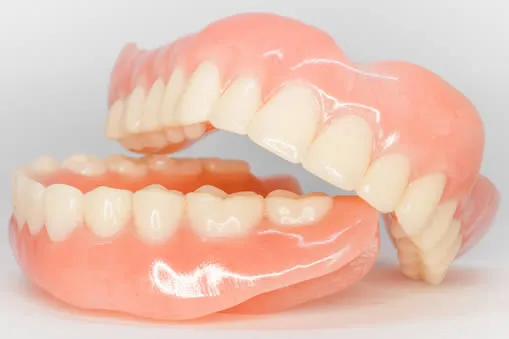
Missing Teeth

Missing Teeth

Dental Implants Toronto

Missing teeth don’t have to be a permanent problem – dental implants can help

Dental implants have revolutionized the field of dentistry, offering a permanent and natural-looking solution to missing teeth. Unlike traditional dentures or bridges, dental implants are designed to look and feel just like natural teeth, providing patients with a comfortable and reliable solution to tooth loss. Whether you’ve lost teeth due to injury, decay, or other factors, dental implants can restore your smile, improve your oral health, and enhance your quality of life.

Dental implants are the best way to replace a missing tooth or multiple missing teeth

Missing teeth can cause a range of dental issues, from difficulty chewing and speaking to bone loss in the jaw and shifting of surrounding teeth. While there are several options available for replacing missing teeth, dental implants are widely considered to be the most effective solution.

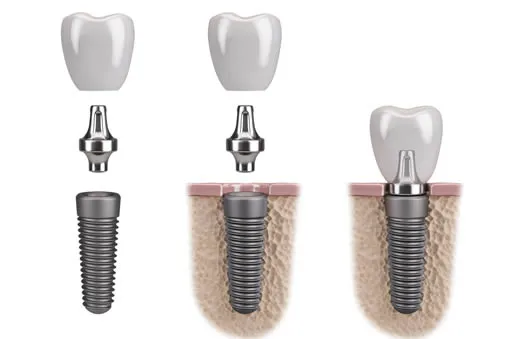
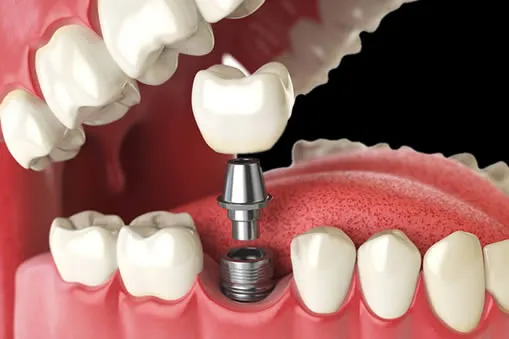
Dental implants are artificial tooth roots that are placed directly into the jawbone, providing a stable foundation for a replacement tooth or teeth. This procedure involves minor surgery, during which a small titanium post is placed into the jawbone to replace the natural tooth root. Once the post is in place, a natural-looking dental crown is attached to the top, completing the restoration of the missing tooth.

One of the main benefits of dental implants is their durability and longevity. Unlike other tooth replacement options, such as bridges or dentures, dental implants are designed to last a lifetime with proper care and maintenance. They also offer superior comfort and stability, as they are anchored directly into the jawbone, allowing for a more natural look and feel. Additionally, dental implants can help to preserve the jawbone by stimulating bone growth, which can prevent further bone loss and maintain the structure of the face.

Dental implants offer a permanent solution to missing teeth that can improve both the function and appearance of your smile.

dental implant stages

Dental Implant Options

single tooth dental implant

Single Dental Implants

Single dental implants are an effective solution for replacing a single missing tooth. After the implant has integrated with the jawbone, a custom-made crown is attached to the post, creating a natural-looking and functional replacement tooth. Single dental implants not only restore the aesthetics of a missing tooth, but also improve the functionality of the mouth and prevent surrounding teeth from shifting.

implant supported denture top

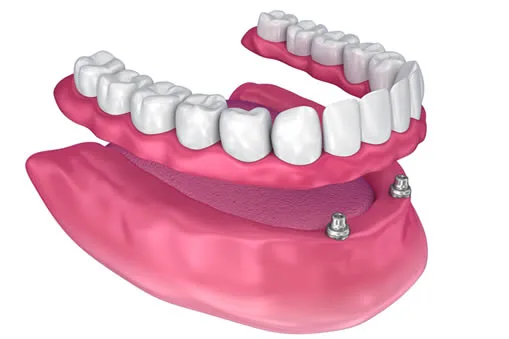
Implant Supported Dentures

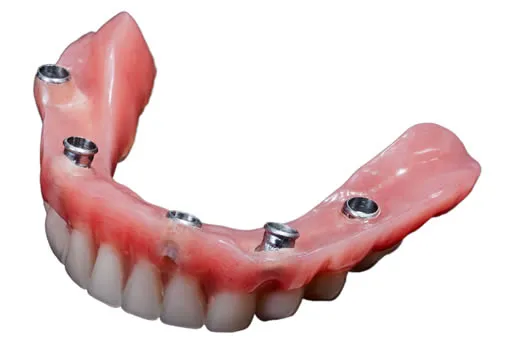
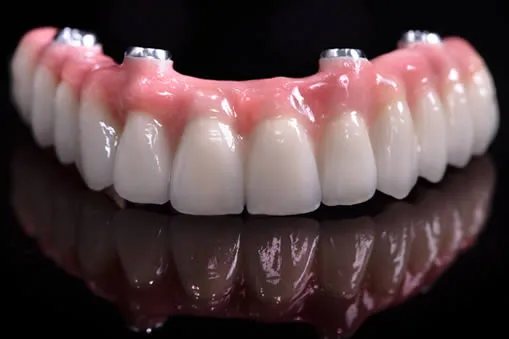
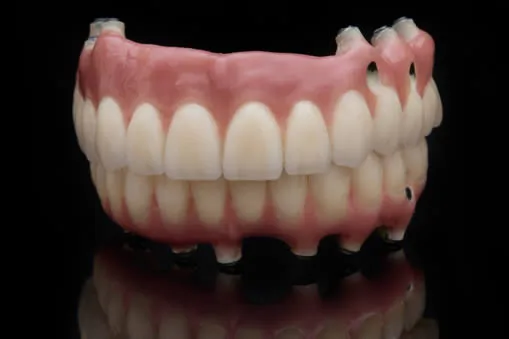
Implant-supported dentures are a popular and effective solution for those who have lost most or all of their natural teeth. Unlike traditional dentures, which rely on suction or adhesives to stay in place, implant-supported dentures are anchored to dental implants, providing a stable and secure fit. This innovative dental treatment offers patients a range of benefits, including improved speech, enhanced comfort, and greater confidence when eating, smiling, and speaking.

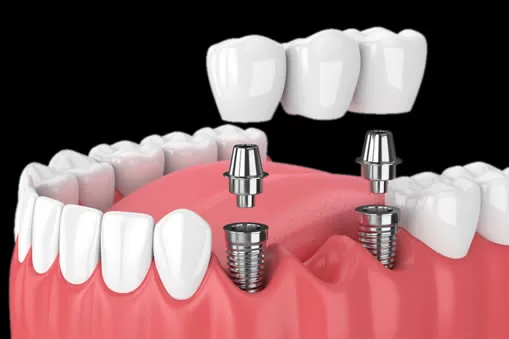
implant supported bridge

Implant Supported Bridge

Fixed dental bridges with dental implants offer an effective solution for replacing multiple missing teeth. This type of restoration uses dental implants as the foundation for a bridge of two or more artificial teeth, creating a stable and long-lasting solution for tooth loss.

entire upper and lower prosthetic teeth

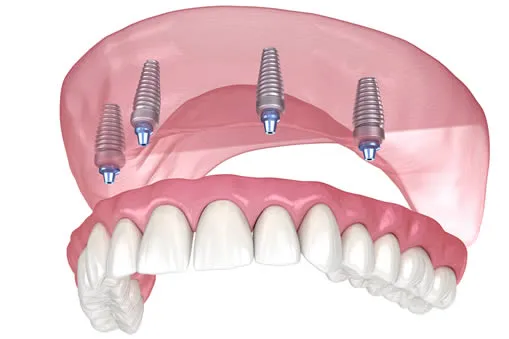
Full Mouth Dental Implants

Also known as full arch dental implants offer a comprehensive solution for patients who have lost most or all of their teeth. The procedure involves the placement of multiple dental implants throughout the entire upper or lower jaw, providing a sturdy foundation for a customized set of replacement teeth. Full mouth dental implants can dramatically improve oral function, enhance your appearance, and restore your self-confidence. 

dentalimplant

What Are The Benefits Of Dental Implants?

Improve Oral Health

  • Preservation of natural teeth
  • Reduced risk of gum disease

Enhanced Appearance

  • Natural-looking and permanent solution
  • Improved speech and comfort

Improved Bone Health

  • Stimulation of natural bone growth
  • Prevention of bone loss and deterioration

Improved Function and Convenience

  • Restored ability to eat properly
  • Elimination the need for dentures

Improved Overall Health

  • Improved nutrition and digestion
  • Reduced risk of health issues associated with missing teeth

Improved Speech

  • Allows clear and confident speech
  • No slipping or moving unlike dentures

Am I a good candidate for Dental Implants?

Good overall health: To ensure the success of dental implant surgery, it’s crucial that you are in good overall health. This means that you should not have any underlying health conditions that could interfere with the healing process, such as diabetes or heart disease.

Healthy gums and jawbone: Dental implants rely on a certain amount of healthy gum tissue and jawbone for success. If you have advanced gum disease or significant bone loss in your jaw, it may not be possible to support an implant properly, making you an unsuitable candidate.

A commitment to oral hygiene: Like your natural teeth, dental implants require regular care and maintenance to ensure longevity. If you are committed to practicing good oral hygiene and taking care of your implants, you may be a suitable candidate for the procedure.

The most effective way to determine if dental implants are right for you is to schedule a consultation with our experienced implant dentist in Toronto. During your consultation, we will assess your individual needs and provide you with personalized recommendations to help you restore your smile.

mature woman happy smiling

The Advantages of Implants Over Traditional Dentures

Dental implants have several advantages over traditional dentures. First and foremost, dental implants provide a permanent solution for tooth loss. Unlike dentures that may slip or cause discomfort, implants are anchored into the jawbone, providing stability and a natural feel. This means that patients can speak, eat, and smile with confidence, without worrying about their dentures shifting or falling out.

Another advantage of dental implants is that they help to preserve the jawbone. When a tooth is lost, the bone in the jaw can begin to deteriorate over time. Dental implants mimic the natural tooth root and stimulate the bone, promoting growth and preventing further deterioration. This can help to maintain the shape and structure of the face, ensuring that patients look and feel their best.

Lastly, dental implants are more durable than traditional dentures. With proper care and maintenance, implants can last a lifetime, while dentures may need to be replaced every few years. This means that dental implants are a long-term investment in a patient’s oral health and overall wellbeing. Overall, dental implants offer a permanent, stable, and durable solution for tooth loss, with numerous advantages over traditional dentures.

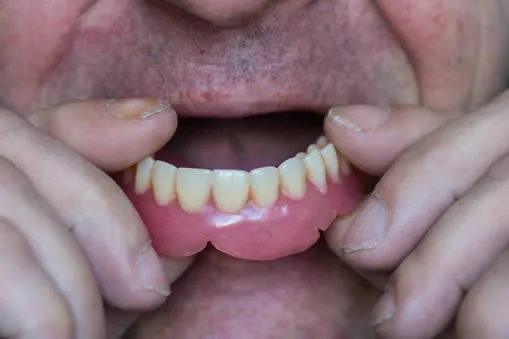
man putting dentures in mouth

ADDITIONAL FREQUENTLY ASKED QUESTIONS ABOUT DENTAL IMPLANTS

Are dental implants painful?

Are dental implants painful? Most patients report experiencing little to no pain during the dental implant procedure.

Can anyone get dental implants?

Not everyone is a suitable candidate for dental implants. Patients need to have healthy gums and adequate bone density to support the implant.

How long do dental implants last?

Dental implants are designed to be a long-term solution for tooth loss. With proper care and maintenance, they can last a lifetime.

Can dental implants be removed?

Dental implants can be removed, but it is not recommended unless absolutely necessary. This process can be complicated and may require additional surgery.

Does dental insurance cover dental implants?

Most dental insurance plans do not cover the cost of dental implants. However, some plans may cover a portion of the cost, depending on the plan and the individual’s circumstances.

Can smoking affect dental implants?

Smoking can have a negative impact on dental implants’ success rate. Smoking can increase the risk of infection and hinder the healing process.

Can dental implants be done in a single day?

In some cases, dental implants can be completed in a single day. However, this is not always possible, and it depends on the individual’s needs and circumstances.

Are there any alternatives to dental implants?

There are several alternatives to dental implants, including dentures and dental bridges. However, these options may not be as long-lasting or effective as dental implants.

What is the success rate of dental implants?

The success rate of dental implants is very high, with a success rate of over 95%. Factors that can affect the success rate include a patient’s overall health, the location of the implant, and the skill of the dental professional.

Is there an age limit for getting dental implants?

There is no age limit for dental implants. As long as a patient has healthy gums and sufficient bone density, they may be a suitable candidate for dental implants.

Is there a dentist near me in Toronto that offers dental implants?

Yes.  At our Toronto dental office we offer dental implants to patients living in Toronto and the surrounding area.  Contact our office today to schedule an appointment.