Having tooth pain or problems can be one of the most uncomfortable experiences possible. It is hard to ignore because it makes your whole quality of life worse. When infection or decay reaches the inner parts of your tooth, it can cause many miserable symptoms. Often the key is getting root canal treatment to save your tooth and alleviate your symptoms. Here are some warning signs that indicate you might need this type of treatment.
Severe pain:
Although not always present, severe pain sometimes occurs with a tooth that needs root canal therapy. It may be sharp, intense pain or a dull ache that won’t subside. If you experience tooth pain that is severe or lasts for several days, see your dentist for an evaluation. If root canal treatment is necessary, any pain you may have will likely disappear after a successful procedure.
Sensitivity to hot or cold:
Discomfort when consuming hot or cold items is another sign of a problem. Mild sensitivity is usually not a big deal, but actual pain when your tooth hits these temperatures may mean the tooth is in an advanced stage of trouble.
Gum tenderness or inflammation:
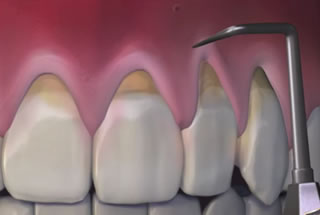
Swelling or tenderness is often associated with infection, although it doesn’t always mean infection is present. Your dentist can determine the seriousness of the issues and whether root canal treatment is advised. Watch for tenderness, swelling, or even a lump in the affected area.
Darkened tooth:
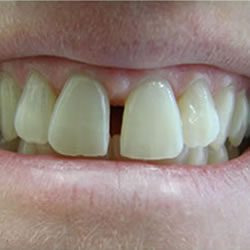
Discoloration is a sign that the nerves of a tooth are damaged. The tooth may become gray, black or dark yellow. Tooth discoloration is also related to trauma, damaged fillings or severe decay, so visiting your dentist for a checkup is recommended.
Gum boils:
If lesions similar to a pimple form in the gum tissues, it is called a gum boil. It is usually an accumulation of pus, which can be linked to infection. The boil may be larger or smaller at certain times, depending on the activity of the infection in your mouth. It will feel tender and can cause swelling in the area, and you may notice a bad taste in your mouth.
If you have symptoms such as these, see your dentist to learn if root canal treatment is the solution.
Do you live in Toronto or the surrounding area? Our team is ready to help you achieve your smile goals. Schedule your appointment today.
If root canal treatment has been recommended for you, you’re probably a little nervous. Maybe you’re a LOT nervous, but if you’re thinking about putting off your treatment, don’t. If you need root canal therapy, the underlying conditions that necessitate it will not go away left untreated. In fact, they’ll just get worse and worse over time, causing you more pain and discomfort and potentially leading to more serious complications.
If you don’t treat the infection in your tooth, it will spread. Beginning at your tooth’s roots, it will travel to your jawbone and eventually to your healthy teeth. Your entire jawbone can be put at risk. By treating your infection promptly with root canal therapy, your mouth can be free of infection and you will begin the process of healing.
Serious diseases like heart disease and diabetes have been directly linked to gum disease. During pregnancy, many problems including low birth weight and premature birth can occur as a direct result of infection and bacteria in the mouth. Several types of cancers have all been shown to have a link to poor overall oral health. The mouth is truly the pathway for everything that goes into the body, and if it’s providing a steady stream of bacteria and infection to be spread throughout your body, it’s extremely problematic.
Don’t worry about pain following your procedure. Root canal therapies are meant to relieve pain, not cause it. You’ll be surprised how much better you’ll feel after your mouth is infection-free.
If you ignore your infected tooth for long enough, it may either fall out on its own or need to be extracted. Missing teeth come with a long list of oral issues, including difficulties with bite alignment and speech only corrected with some kind of dental restoration.
Don’t wait to have your root canal treatment. Don’t open yourself up to the myriad of consequences that could result from postponing treatment.
Do not let another day go by without taking care of your dental needs. Request an appointment now at our Toronto dental office!
If you suspect you have an infected tooth, you might wonder if root canal treatment might be in your future. Do you have another option? Yes! One such alternative has been in existence for decades, but has only recently come to be more effective due to advancements in materials. This process is called pulp capping.
Pulp capping can help patients whose root infections have not yet reached the tooth’s nerve. Root infections begin when bacteria enters the pulp of the tooth through a crack or a large cavity. In a standard root canal procedure, the pulp and nerve of the tooth is hollowed out, cleaned and sealed, typically with a crown restoration.
With pulp capping, the nerve is preserved and the tooth is often repaired with a filling instead of a crown. Pulp capping allows the dentist to clean and protect the pulp, defending it from infection with medicine. With a successful pulp cap, the dentin of the tooth begins to regrow over the pulp cap. Advancements in the sealants used during these types of procedures has allowed for a greater percentage of success.
If you have a toothache, it’s important to see your dentist immediately. Pulp capping has a narrow window in which it can be performed. If your tooth is too infected, the pulp and nerve of your tooth may already be infected, and it’s too late for pulp capping to be effective.
A pulp cap is a far less invasive procedure than a root canal treatment or a tooth extraction, and there is less recovery time and tooth sensitivity following the treatment.
If you suspect you may have a tooth in trouble, talk to your dentist now. You might be able to save yourself a root canal treatment.
Take the first step towards optimal oral hygiene. Reserve your dental appointment at our Toronto dental office now and experience personalized care.
Root canal treatments are specifically designed to relieve the tooth pain associated with an infected tooth root. Patients come in with pain, and often leave the procedure with less discomfort than before. However, if you’ve recently had a root canal treatment on one or more of your teeth, you might be experiencing discomfort following the procedure. Fortunately, there are things you can do at home to take care of it.
Are your gums sore, tender or swollen surrounding the affected tooth? This is likely the result of the tiny metal clips that affix a rubber dam around the tooth, protecting it and protecting your mouth. The clips are attached along the gum line, and can leave tiny bruises or sometimes small cuts in the soft gum tissue. This pain should alleviate within two days of the treatment.
Is the tooth itself sore? This is a common occurrence and is typically the result of an inflammation of the mouth tissues that encase the tooth root. The tools used by the endodontist to perform the procedure can irritate the tissues.
Both of these types of pain can be dealt with by several over-the-counter analgesics. The ones that are most recommended to treat dental pain are those that possess anti-inflammatory agents: naproxen sodium, ibuprofen or aspirin, etc. If you are also taking narcotics prescribed by your dentist, do not take any further medication, over-the-counter or prescription, until you have checked with your dentist. Dangerous reactions can occur.
If you have been prescribed antibiotics, do not stop until you have completed each recommended dose. This ensures that your tooth remains free of infection and can heal thoroughly.
Ask your endodontist if you have other concerns about treating your post-root canal treatment pain.
Ready to transform your smile? Schedule your appointment today at our Toronto dental office.
If you or a loved one is scheduled to have or has recently had oral surgery, you probably have a lot of questions. Here are some of the most common questions:
- One of my stitches came out after my surgery, should I be worried? Losing a stitch isn’t a problem. In the majority of cases, stitches are put in place during surgery to assist in clot formation and bleeding control. If you have undergone a bone-graft procedure, however, contact your surgeon because you may need to be seen immediately.
- What can I eat after surgery? Immediately following surgery, eat only soft foods of tepid temperature. Avoid very hot or very cold foods. Eat nothing that is crunchy or chewy so you won’t damage the surgical site.
- I am having a lot of pain following my procedure, what should I do? If you have been prescribed pain medication, take it as recommended. If no prescription was given, use over-the-counter medicines containing natural anti-inflammatory properties such as ibuprofen. Stay hydrated by drinking room temperature water and get plenty of rest.
- I had a tooth extracted, how can I tell if I have a dry socket? Dry socket is the result of the loss of the blood clot present in the extraction site. Smoking, using a straw, poor oral hygiene or failure to rest properly following the extraction procedure can lead to this condition. Typically dry socket will present within one week of extraction and is treated with sterile wash and pain-relieving, medicated gauze.
- I had a procedure this morning and am still bleeding. Is that normal? Bleeding following extractions or other surgical procedures is common. If you are bleeding more than normal, bite down on some sterile gauze or a damp teabag for twenty or thirty minutes. Don’t keep removing the gauze to look for blood; that can make the bleeding worse. Call your surgeon if you feel your bleeding is excessive.
Your oral surgeon can answer these questions and more. Don’t hesitate to call the surgeon’s office to get the peace of mind you require to heal comfortably following your procedure.
Do not wait any longer. Book your appointment now and achieve the smile you have always wanted. Dr. Cruz is accepting new patients from Toronto and the surrounding area.
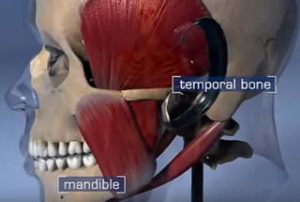
Oral surgery to correct problems with the jaw is known as orthognathic surgery. Jaw issues can result from birth defects, changes due to growth, or injury or trauma to the face. While orthodontics can correct bite problems when only the teeth are involved, oral surgery may be required when repositioning of the jaw is necessary to correct the issue. If you suffer from any of the following concerns, orthognathic surgery may be a consideration:
- Difficulty chewing, biting or swallowing
- Problems with opening and closing your mouth, or with speaking
- Persistent jaw or temporomandibular joint pain
- Clenching or grinding of teeth causing excessive wear to the teeth
- Inability to make the lips meet without straining
- Un-proportional facial appearance or protruding jaw
- Malocclusion, open, or incorrect bite
- Recessive lower jaw and chin
- Sleep apnea and breathing problems
Most jaw surgeries are performed completely in the mouth, so no facial scars are visible. The oral surgeon makes cuts in the jawbone and then moves them to the correct position. Once the jaw is correctly aligned, screws and bone plates are placed to secure the jaw into the new position. Sometimes it may be necessary to add extra bone to the jaw from your hip, leg, or rib.
Orthognathic surgery is performed by an oral and maxillofacial surgeon usually in a hospital setting. Recovery time from jaw surgery takes three to six weeks. Your general or family dentist should be able to refer you to a skilled oral surgeon for a consultation and examination to determine a treatment plan. Jaw surgery can improve not only your facial appearance, but also chewing, speaking and breathing functions.
Ready to transform your smile? Schedule your appointment today at our Toronto dental office.


 E-Mail Us
 416-595-5490