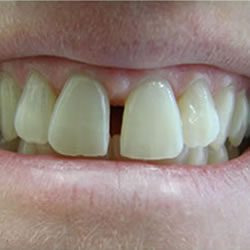
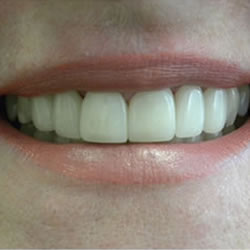
Improving a damaged or unattractive smile is not just for celebrities. Many people today choose to change their smile by hiding problems like discolorations, gaps, chips, cracks, or crooked teeth. Two common ways to improve the appearance of your smile is with dental veneers or lumineers. The two kinds of restorations are similar, but they do have some differences to consider.
Description
Veneers are most often made of porcelain. They look very natural, resist stains, and are strong. They serve to strengthen the exterior of a damaged tooth, hide flaws, and can lengthen teeth as desired. Lumineers are a newer restoration and function similarly to veneers, providing many of the same benefits. The main difference is that lumineers are even thinner than veneers, compared in thickness to a contact lens.
Application
The process for getting veneers and lumineers is quite similar. Both require at least two dental visits. At the first visit, any preparation work will be performed and models will be made of the teeth so that the customized restorations can be created. The second visit involves fitting and attaching the restoration, and then trimming, shaping, and adjusting as needed. The main difference between applying the two types of restorations is that veneers require reshaping the teeth and shaving off a small amount to ensure proper attachment of the veneers. Some of the natural tooth enamel is lost in the application process. However, lumineers do not require shaving tooth enamel. Lumineers are attached on top the teeth without any alterations to the original teeth.
Durability
Veneers are not usually able to be repaired if they receive damage like chipping or cracking. They must be completely replaced in that case. With usual wear, veneers should be replaced every 5 to 10 years. The durability of lumineers is very good and may last up to 20 years.
When you have a total assessment of your smile and oral health performed with the goal of achieving your best smile, it is called getting a smile makeover. One or more dentistry treatments may be necessary to help you reach your goals, but when you do you can have the smile you’ve always wanted.
A consultation with an experienced and qualified dentist will help you determine what might be done to improve your look. The dentist will consider many factors like the condition of your teeth and gums, facial features, lips, and skin tone to help you come up with a treatment plan that works best with your overall appearance.
In addition to helping you have the best dental function, smile makeovers can help you look younger and healthier. It may also give you newfound confidence.
Some of the most common oral problems that smile makeovers address include:
- Teeth discoloration – teeth that are stained from foods, drinks, smoking, age, medications, or poor dental hygiene can be improved with teeth whitening. Professional methods performed by your dentist usually have the most noticeable and fastest results.
- Gaps – teeth that have extra space between them can be covered with porcelain veneers to give you a great new look. Braces are another option to close gaps, including the latest invisible type called Invisalign.
- Chips and cracks – teeth that have flaws like chips or cracks can be covered with veneers, or bonded using composite resin material.
- Unsightly fillings – replacing dark colored fillings with tooth-colored composite resin is a great way to change your smile for the better.
- Misaligned or uneven teeth – a smile that isn’t straight can be hidden with veneers to give you a perfect new smile.
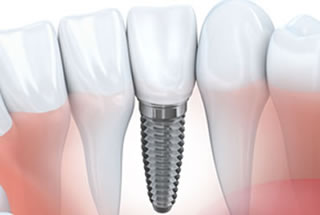
- Missing teeth – tooth loss for just about any reason can be restored using dental implants, which provide a comfortable and permanent way to regain your complete smile.
Most dentists recommend that patients replace their toothbrushes every three to four months. About this time, the bristles start to wear out or become frayed, which makes the tool less effective. You should also replace your toothbrush right away if you have been sick so that you don’t re-infect yourself.
Once you are done with the toothbrush, you don’t have to immediately toss it in the trash. These creative opportunities will allow you to put that old toothbrush to good use.
Dust the keyboard
The precision of the bristles makes it a cinch to get between the keys.
Eliminate stains
If you get spots on your carpet or upholstery, an old toothbrush will enable you to really scrub the soiled area and remove the stain.
Touch up your roots
For those who dye their own hair, an old toothbrush is the perfect tool for applying color to specific areas.
Dislodge dirt from under your nails
Gardening will help your plants grow, but will also make your manicure look less than appealing. With an old toothbrush, you can say good-bye to grimy nails.
Polish jewelry
To make your favorite pieces sparkle, use an old toothbrush and a tab of toothpaste to restore their beauty.
Clean bike chains
If you don’t want to look like a mechanic after taking grease off the chains, you can grab an old toothbrush and easily finish the job.
Remove silk strings off ears of corn
Before boiling corn, wipe the ears with an old toothbrush to eliminate the corn silk and keep it out of your teeth.
Dental Veneers: The Benefits
There’s no way around it, your teeth are subject to the signs of wear, aging, and care over the years. Some people’s smiles fare better than others, but if you are one of those who is embarrassed to smile and wish you had a different set of teeth, then dental veneers may be the answer for you.
Veneers are extremely thin shells of tooth-colored material that fit over the front surface of your teeth to improve the appearance. They hide imperfections such as discoloration, gaps, chips, uneven teeth, and teeth that are worn down. Veneers are bonded securely to your existing teeth and are a long-term solution for covering embarrassing problems, typically lasting about 6 years but sometimes up to 15 depending on the type of veneer and proper dental care.
These restorations are most often created from porcelain, ceramic, or composite materials. Porcelain veneers are the most popular, as you can expect them to remain bright and intact for the longest time.
Veneers made from porcelain offer a number of important benefits:
- Very natural looking
- Stain resistant to foods like coffee, red wine, and berries
- Color selection that allows you to match existing teeth or make your smile whiter
- Does not require extensive shaping of your natural teeth
- Well tolerated by gum tissue
- Does not require special maintenance, but instead allows your normal brushing and flossing routine
- Provides one solution to remedy a variety of aesthetic dental issues
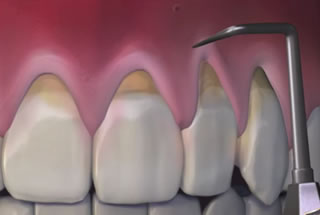
There are a number of reasons that dentists or oral surgeons recommend surgery, but facial injuries are probably the most unexpected and alarming cause. Maxillofacial injury, or facial trauma, refers to any injury to the mouth, jaw, and face. Most of these injuries result from sports, car accidents, job accidents, violence, or an accident at home.
Let’s learn about oral surgery resulting from facial trauma.
Broken bones are a common type of serious facial injury. Fractures can occur in the upper or lower jaw, cheekbones, palate, and eye sockets. Injuries in these locations may affect vision and the ability to eat, talk, and breathe. Hospitalization is often required for treatment, which is similar to that for fractures in other parts of the body. The bones must be lined up and held in place to allow time to heal them in the correct position. Because casts are not possible in facial injuries, the surgeon may use wires, screws, or plates to treat fractures. Sometimes healing takes as long as six weeks or more.
Even though some facial injuries are worse than others, all of them should be taken seriously. They affect an important area of the body, so it is recommended to seek treatment from an oral surgeon to make sure you receive optimum care. Even if stitches are all that’s required, it’s best to have them performed by an oral surgeon who can place them exactly as needed to produce the best results.
It’s no surprise that the best solution for facial injuries is to prevent them in the first place. Oral surgeons suggest consistent use of mouth guards, seat belts, and masks and helmets as required. Improvements have been made to safety gear to make these items more comfortable and efficient, so there should be no excuses for not using them to protect yourself and avoid injuries that can lead to oral surgery.
What Is Invisalign?
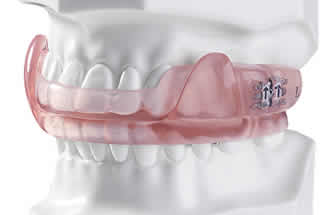
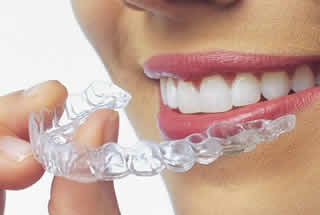
Invisalign is a type of orthodontic brace consisting of removable plastic aligners that are virtually invisible. It’s popular with adults, especially as it’s so discreet, but it can often be suitable for teenagers. Invisalign is able to treat most common orthodontic issues which include problems with the way the teeth bite together, gaps in between teeth, and overcrowded or rotated teeth.
What Is the Process for Getting Invisalign Braces?
You’ll need to visit your dentist for an assessment to see if Invisalign will work well for you. Your dentist will take impressions of your teeth, and dental x-rays and photographs. These are sent to Invisalign so the information can be used to create a 3-D digital image of your teeth. This information is then sent back to your dentist so they can plan your treatment. You’ll also be able to see virtual images of how your teeth will move, and how they should look at the end of treatment.
What to Expect during Treatment
Your dentist will supply you with your clear aligners that are custom-made to fit over your teeth, and will show you how to insert and remove them, and how to clean them. You need to wear these aligners for 22 hours each day, preferably only removing them whenever you eat, and for brushing and flossing. It’s important to stick to wearing them for the recommended length of time each day as this will help ensure treatment is completed within the predicted timeframe. You’ll be able to look after your teeth and gums exactly as normal, and you won’t need to make any adjustments to your diet since the braces are removed before eating. Every two weeks you simply replace your aligners for a new set that will continue to move your teeth. Your dentist will need to see you at regular intervals to check the teeth are moving as predicted in your treatment plan. Treatment is fast, simple and effective, and most adults will have straighter teeth within a year. Treatment times for teenagers are similar to fixed braces.


 E-Mail Us
 416-595-5490