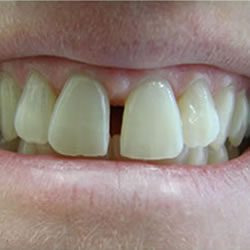
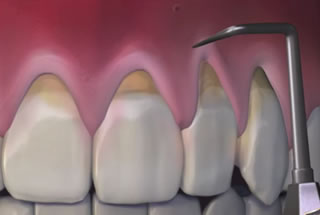
Are your teeth discolored? Do you or your child have dental enamel defects or have you been told that you have weak enamel? These weaknesses don’t just lead to unsightly discoloration but they can lead to decay of the natural tooth and the presence of infection in the tooth root that can lead to a root canal treatment.
A pregnant mother’s consumption of tetracycline, a common antibiotic, or poor nutrition, especially a lack of vitamin D, calcium and phosphorus can lead to defects in the enamel of a child’s tooth. These defects are present at birth and cause problems with the aesthetics of the natural tooth as well as predisposing the affected teeth to dental cavities and root canal therapies.
Some problems, such as Amelogenesis Imperfecta, may be genetically inherited. This disorder can lead individuals to have early tooth loss, periodontal disease or root canal therapy. Enamel Hypoplasia is a condition where enamel doesn’t properly develop on a child’s forming teeth. Failure to treat this condition can have extremely negative lifelong consequences.
White, yellow or brown spots on the teeth, pitting or banding of the tooth surface, or spotted, translucent-appearing teeth, especially those that are symmetrical, can be a sign of celiac disease. Many times, it’s a visit to the dentist that reveals that the underlying cause of tooth problems is celiac disease. After any existing infection is dealt with utilizing a root canal therapy, restoration of the teeth can be completed using bonding, dental veneers or other forms of dentistry.
Children can get cavities before they can walk. Cavity producing bacteria, if left untreated, can lead to pain and extensive dental treatments, including root canal treatments. If you feel you or your child have weakened enamel or teeth more prone to needing dental care, talk to your dentist to see what you can do to keep your natural teeth healthy and to prevent the need for a root canal treatment.
If you are unhappy with your smile and have decided to pursue a smile makeover, there are several steps that will likely happen before your dentist begins treatment. Because a smile makeover combines different types of treatments and procedures, it’s important for your dentist to assess your current smile and overall health. Your initial visit with the dentist may include:
- A review with the dentist of what you feel needs to be changed or corrected about your smile. This feedback gives your dentist an idea of what type of procedures and treatments to recommend to achieve the results you desire.
- Your dentist will ask for a thorough dental and medical history to determine if you are a suitable candidate for the treatments you are seeking.
- An impression of your teeth may be taken and replica mold made to help the dentist assess the size and shape of your teeth, and the condition of your bite.
- X-rays will be taken of your teeth and jaws to give the dentist a better idea of the structure of your mouth.
- Your teeth and mouth will be examined for decay or gum disease that may need to be treated before pursuing cosmetic treatment.
- The dentist will discuss with you recommendations for treatment and procedures that will help you achieve the desired smile makeover results. Both the risks and benefits of each should be thoroughly considered before you agree to continue with treatment.
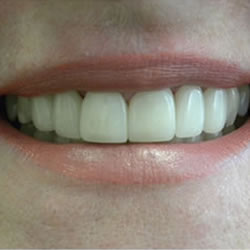
Taking the time to undergo a complete examination and evaluation prior to beginning a smile makeover is one of the best ways to avoid complications and ensure success. Once your assessment is complete, you will be able to confidently move forward with your smile makeover and soon will be sporting a brilliant new smile.
Porcelain veneers are a popular dentistry option for correcting a host of cosmetic dental problems. Lumineers are a type of veneers that are considered among the most advanced available today. The placement of Lumineers involves applying a very thin layer of porcelain to the front of your teeth to mask imperfections. Lumineers are considered “no-prep” veneers, and unlike the placement of traditional veneers, do not require any alteration of the natural tooth structure.
If you suffer from any of the following dental imperfections, Lumineers may be the solution to your problems:
- Chipped, cracked or broken teeth
- Yellowed, stained or otherwise marred teeth
- Small or oddly shaped teeth
- Crooked teeth
- Gaps or unevenly spaced teeth
To ensure the success of the placement of your Lumineers, your dentist will look for the following indications that you are a suitable candidate:
- Your teeth should be otherwise healthy and free from decay. Because Lumineers simply cap your teeth, any underlying disease or decay will worsen underneath the veneers. Your teeth should be healthy and cavity-free prior to placing Lumineers.
- You should have a well-aligned bite, free from jaw-related orthodontic issues. Lumineers can mask minor tooth misalignment, but extensive crowding and over or under bites should be treated with traditional orthodontia.
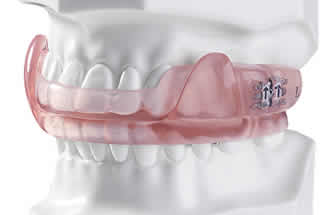
- If you suffer from teeth grinding, or bruxism, Lumineers may not be a good option for your cosmetic dental treatment. Because Lumineers are thinner than traditional veneers, they are more susceptible to damage caused by grinding.
To best determine if you are a candidate for Lumineers, consult with a qualified dentist for an examination and assessment. With Lumineers, you can quickly and painlessly be on your way to a more perfect new smile.
Do you suffer from mildly misaligned or gapped teeth and wish to have a straighter smile? As an adult, the prospect of months or years of traditional braces may sound less than appealing. If you are looking for an alternative to correct slightly crooked or unevenly spaced teeth, dental veneers might be the answer to your problem.
A dental veneer is a very thin application of either porcelain or composite resin material that is placed directly to the surface of your tooth, utilizing a strong adhesive to create a lasting bond. Veneers will not correct the alignment or spacing of your teeth, but will cover the imperfections creating the illusion of a straight line of teeth. With braces, you will have to endure the “metal mouth” and “train track” look for months. With dental veneers, there are no wires or brackets involved. Also unlike braces, the placement of veneers can be completed in as little as one to two dental appointments. With braces, you could spend months or even years undergoing treatment before you are able to enjoy the results.
Dental veneers do require a healthy, strong tooth surface with which to adhere. If you have good overall oral health, you are likely a viable candidate for dental veneers. Once placed, you can expect to enjoy a straight, appealing smile for ten to twenty years before the veneers will need to be replaced. To find out more about dental veneers as an option to improve your crooked or gapped smile, contact your dentist in Toronto for a consultation.
Do you have a family? Are you tired of running around all over town for appointments? Do you feel less than valued by your dentist or your child’s dentist? Have you been wondering if you could be having a more positive dental experience? If these questions are on your mind, you should look into a family dental practice to service your family’s dental needs.
A family dentist is interested in providing services to each member of your family, whether that member is 6 months old or 60 years old. A family dentist wants to know the history of each patient, and by beginning services at infancy, a complete view of diet, health and dental history can be established that can serve to inform dental decisions made ten, fifteen or twenty years in the future.
Family dentistry offices are typically very warm, comfortable and friendly. They are designed especially to put nervous patients – pediatric or adult – at ease and to provide wait time in comfort and relaxation. They can be full of toys, electronic devices or other amenities that will make your visit more comfortable.
Because your family dentist knows your time is valuable, appointments can often be scheduled for each member of your family in a “block,” allowing you to complete your routine checkups and cleanings concurrently, or back-to-back. This can save you time in traffic, in the waiting room, or in the exam room.
Your family dentist can do all of the services offered by a standard dentist. Regular checkups, cleanings and x-rays are all available, as well as preventative treatments like fluoride treatments or the application of sealants. Your family dentist can address cavities and treat gingivitis or provide cosmetic services such as teeth whitening or dental veneers.
If you have any lingering questions regarding your dental care, talk to your family dentist today. You’ll see that the lifelong relationship you begin building today will benefit your family for years to come.
Sedation dentistry is becoming increasingly popular with patients who suffer from dental anxiety. Choosing a trained sedation dentist for your oral care has many advantages for people who suffer from fear of the dentist. When facing dental treatments and procedures, there are several good reasons to select a dentist who offers dental sedation as part of their practice:
- With sedation, your dental visit will seem much shorter. Often, even though you are awake, you will not even remember any procedures performed while under sedation.
- You will have less anxiety about complex dental surgeries if you know sedation will be available to help with relaxation.
- Extensive dental work can be completed quicker because your dentist can work longer when you are under sedation. Often procedures that normally take several visits can be completed in one visit with sedation.
- If you avoid necessary dental checkups and cleanings because you are scared of the dentist, sedation will alleviate these fears and allow you to schedule your oral care appointments with ease.
- If you suffer from a gag reflex when undergoing dental procedures, sedation will relax you and calm your gagging.
- For many procedures, such as tooth extraction, sedation will help alleviate pain.
Dental sedation is offered in mild, moderate and deep forms and can be administered by pill or gas. The level of sedation and method varies from patient to patient and procedure to procedure. To learn more about how sedation can help you relax and not dread necessary dental care, contact a qualified sedation dentist in Toronto for a consultation.


 E-Mail Us
 416-595-5490