Life can be full of frustrations, demands, deadlines, and inconveniences. For lots of people, stress is a way of life. The problem is that when you’re constantly stressed out, your health can pay the price. There are many health conditions that are caused or worsen due to high stress levels, but did you know that your mouth may be affected in the form of teeth grinding?
What is teeth grinding?
The condition of grinding or gnashing your teeth together is called bruxism, and often includes clenching your jaw. It commonly happens while sleeping, so that you may not even realize you’re doing it. Sometimes a sleeping partner hears it, or your dentist may recognize the signs of unusual wear on your teeth.
What does my stress level have to do with it?
Teeth grinding has been linked to stress and anxiety. Studies have shown that people who are stressed from daily life and don’t have adequate coping methods are more likely to grind their teeth. Experts say that both adults and children facing stress sometimes cope by grinding their teeth.
How does teeth grinding affect me?
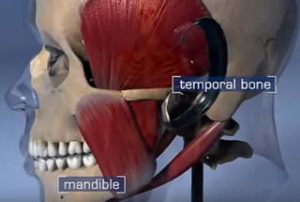
Grinding your teeth has more negative effects than you might think. It often causes headaches, earaches, and sleep problems. It can cause chipped, loose, cracked, or sensitive teeth. Tooth enamel can suffer excessive wear, and gum tissue may be damaged. Teeth grinding also often causes a painful jaw disorder of the temporomadibular joint, commonly called TMJ.
What can I do about it?
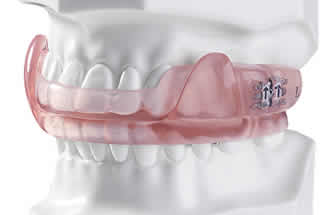
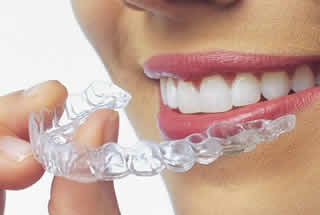
Your dentist may recommend wearing an over-the-counter or custom mouthguard at night, to protect your teeth from further damage. Medications usually are not helpful, although a muscle relaxant before bed may help prevent jaw clenching. The ideal treatment is to try to reduce or eliminate stress that may be contributing to your teeth grinding. Relaxation therapy, stress management, corrective exercises, and counseling are some of the options that dentists suggest to help you remedy the problem.
It can be alarming if you notice any kind of lump in your body, and finding one in your mouth is no exception. Oral cysts can form anywhere in the mouth (including the lips, tongue, bones, throat, or salivary glands) and are usually filled with fluid. The good news is that oral cysts are not cancerous and generally not painful. Let’s learn what to do if you develop one.
Symptoms
In the soft tissues of your mouth, a cyst will appear as a small, painless bump that is usually less than one inch wide. It can be under the skin of the lips, inner cheek, or gums. Unless it is infected, it doesn’t hurt. Sometimes swelling occurs in your mouth or jaw, which may indicate a cyst as well.
Diagnosis
An oral cyst is not cancerous, but it’s still important to have your dentist examine it to get an accurate diagnosis. Many cysts can be examined visually, but sometimes an x-ray is needed if it’s in a bone or other hidden area. Your dentist may perform a biopsy, which means removing a small amount of tissue or extracting some of the fluid and then sending it to a lab for analysis. The biopsy can help identify the type of cyst.
Treatment
Although there is no way to prevent cysts from forming, there are treatment options for them. Often, an oral surgeon is needed to remove the cyst under local anesthesia. If infection is present, antibiotics may be prescribed. Without treatment, cysts may continue to grow bigger so it’s better to have them removed.
Prognosis
The prognosis after cyst removal is excellent, but there is the chance that the cyst will reoccur. You should get routine checkups by your dentist to monitor the area.
Having a healthy mouth affects your entire health. Some oral problems are linked to serious health conditions like stroke and heart disease. So it’s important to avoid common problems like gum disease, cavities, and a clenched jaw. Let’s learn some easy strategies to help you fight off these problems.
Gum Disease
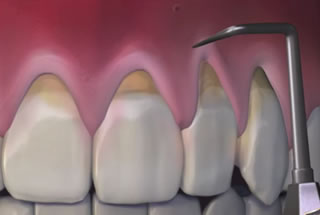
If your gums are painful, swollen, and bleed easily, it is likely that you have gum disease. In its early stages gum disease is called gingivitis, but if left untreated it will advance to periodontitis. See your dentist if you suspect you have gum disease, so that treatment can begin. If caught early, the effects of gum disease can be reversed. The best way to prevent it in the first place is proper dental hygiene. Floss once a day and brush with a fluoride toothpaste at least twice daily. See your dentist for professional tooth cleanings every six months. Also, quitting smoking and eating a nutritious diet may help prevent gum disease.
Cavities
To stop tooth decay and the resulting cavities, you must practice good dental hygiene. In addition to regular brushing and flossing, ask your dentist if fluoride treatments would be recommended for you. Reduce the amount of sugar you consume, especially carbonated sodas since they contain acid that can damage your tooth enamel. Stopping the use of tobacco is also another way to avoid cavities.
Temporomandibular Joint Disorder (TMJ)
TMJ is known to cause jaw tenderness, headaches, jaw popping, and facial and neck pain. The most common source of TMJ is grinding or clenching your jaw, although it can also result from head trauma or arthritis of the jaw. Teeth grinding can also lead to other dental problems like tooth erosion, gum disease, or cracked teeth. See your dentist if you think you might be grinding or clenching your teeth. You may benefit from a customized mouth guard to decrease the pressure on your jaw and teeth. Learning techniques to reduce your stress may also help prevent TMJ.
It seems that most toothaches happen at night, causing both pain and frustration. Toothaches are usually caused by dental problems like a cavity, cracked tooth, exposed root, or gum disease. Seeing a dentist as soon as possible to resolve the issue is the best solution. However, if you’re unable to get an appointment right away, here are some home remedies that may help.
• Laying down causes increased blood pressure to your head. Elevate your head to decrease some of the pressure, and decrease the pain along with it.
• Take an over-the-counter medication such as ibuprofen or acetaminophen to relieve some of the pain. Avoid taking aspirin because it may increase bleeding.
• Rinse your mouth thoroughly with water in case there is any trapped food causing discomfort. Gently floss your teeth to dislodge food particles around the aching area.
• Try placing 2-3 drops of vanilla extract on the aching tooth for instant pain relief.
• Press a hot tea bag to the tooth to relieve soreness.
• Try gargling with antiseptic mouthwash, or a glass of water mixed with one teaspoon of salt after meals and at bedtime.
• Put an ice cube on the tooth or on the nearest cheek for 20 minutes several times a day.
• Apply clove oil or an over-the-counter antiseptic containing benzocaine onto the gums or tooth. Both of these items will numb the area to provide temporary pain relief.
One of the keys to a successful oral surgery is following the rules of recovery afterwards. You should always follow the post-operative instructions that your surgeon gives you to avoid complications and heal quickly. Here are some areas to concentrate on after oral surgery to help you achieve your recovery goals.
Pain
The amount of pain you experience depends on the procedure. Your surgeon will prescribe medications for pain management. Be sure to follow the instructions carefully, and consult your surgeon before taking any additional over-the-counter medicines. If you are given an antibiotic, make sure you take all of the medication so that infection will be adequately avoided.
Swelling
Swelling is normal after some types of oral surgery. Elevate your head with pillows, and use an ice pack on the outside of your face for the first 24 hours. Swelling should subside in 7 to 10 days. It’s also normal to have some stiffness in the facial muscles for up to 10 days after surgery. Bruising sometimes occurs, especially if your lower wisdom teeth were affected.
Bleeding
It’s common to bleed after a tooth extraction, and may continue slightly for up to 24 hours after surgery. Bite on the gauze that your doctor provided for one hour using firm pressure, and then gently remove it. Sometimes it’s necessary to sip water to moisten the gauze so that it comes out without restarting the bleeding. If your bleeding continues, contact your surgeon for advice.
Rest
You should rest for at least two days following oral surgery, and not participate in physical activity for 2 to 3 days. After that time period, you should be able to resume normal activities.
Oral hygiene
Avoid vigorous rinsing and spitting for the first day, and don’t use mouthwash. Brush and floss gently, but be careful about opening your mouth too wide. After the first day, try rinsing with a salt water mixture to help keep the surgical site clean and help the healing process.
Having a tongue piercing or a lip ring may be a trendy thing to do, but many people don’t realize the risks that come along with it. Teenagers and young adults especially don’t think about the side effects of these mouth accessories. If you’re considering an oral piercing, talk with your dentist first to make sure you know how to perform good oral hygiene. Some of the dangers that accompany an oral piercing include:
Infection
Our tongues and mouths are covered with bacteria, so the piercing site is at risk for infection. In fact, your entire body is endangered because bacteria can enter the piercing and get into your bloodstream. Unclean piercing equipment can also lead to infections like bloodborne hepatitis.
Tooth fractures
Teeth can be chipped and broken by mouth jewelry while you eat, talk, and sleep. A damaged tooth may require a filling, root canal, or even extraction. To lessen the risks to teeth, dentists suggest removing the jewelry while eating and sleeping.
Swelling
Tongue swelling is a common side effect of piercing. In severe cases, a swollen tongue can cut off your airway and prevent breathing.
Choking
If your mouth jewelry comes loose, it can create a choking hazard. You can also injure your digestive track or lungs if you swallow the piercing.
Uncontrolled bleeding
If the piercing hits a blood vessel, it can cause heavy bleeding that requires medical help. If your nerve is damaged, numbness may occur.
Injury to gums
An oral piercing can increase your risk for gum disease, which is a serious issue that can cause tooth loss if left untreated.


 E-Mail Us
 416-595-5490