
TMJ Dental Laser Therapy in Downtown Toronto
Non-invasive Fotona and Weber laser treatment for TMJ pain, muscle tension, inflammation, and snoring — provided by Dr. Yolanda Cruz at our office on the PATH at Bay & Queen.
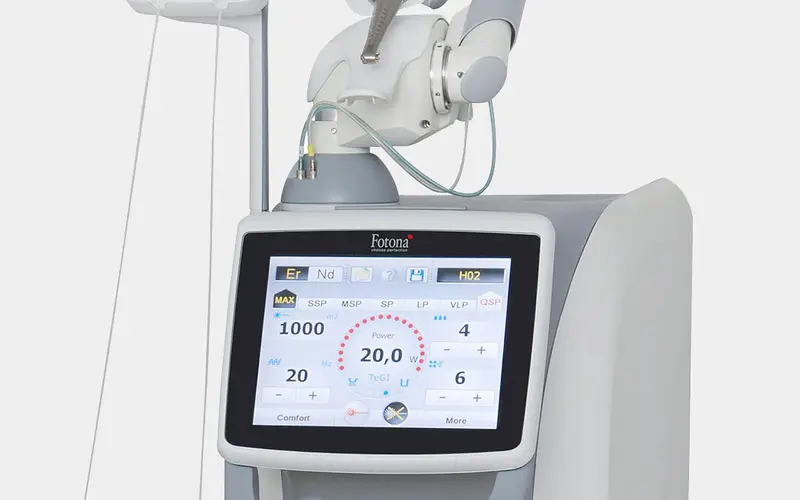
This practice uses the Fotona dental laser system and Weber photobiomodulation lasers for a range of non-invasive treatments, including applications for TMJ disorders, muscle pain, jaw inflammation, and sleep-disordered breathing. Laser therapy is delivered by Dr. Yolanda Cruz within the scope of general dentistry — no needles, no cutting, no anesthesia, no recovery time. It is most often combined with oral appliance therapy, Botox to the masseter/temporalis, and bite-balancing as part of a multifaceted TMJ plan. Schedule a consultation or call 416-595-5490.
How dental laser therapy works for TMJ/TMD
Dental laser therapy delivers tightly controlled wavelengths of light into the tissues of the jaw, face, and oral cavity. Two different mechanisms are used at this practice. The Fotona Er:YAG and Nd:YAG laser delivers photothermal energy — gentle heating that firms oral and pharyngeal soft tissue and stimulates collagen remodelling. The Weber low-level laser delivers photobiomodulation (PBM) — sub-thermal light absorbed by mitochondria in the targeted cells, increasing ATP production and modulating inflammation and pain signalling.
For TMJ/TMD, the practical effect is a reduction in joint and muscle inflammation, a calming of overactive masticatory muscles, and a measurable drop in pain over a short series of sessions. Treatment is layered with other modalities — it is not used in isolation as a stand-alone cure.
Dr. Yolanda Cruz is a general dentist. All laser services described on this page are provided within the scope of general dentistry.
Reviewed by Dr. Yolanda Cruz, DDS · Dr. Yolanda Cruz Dentistry On The Path · Toronto, ON
The Fotona TMJ laser protocol
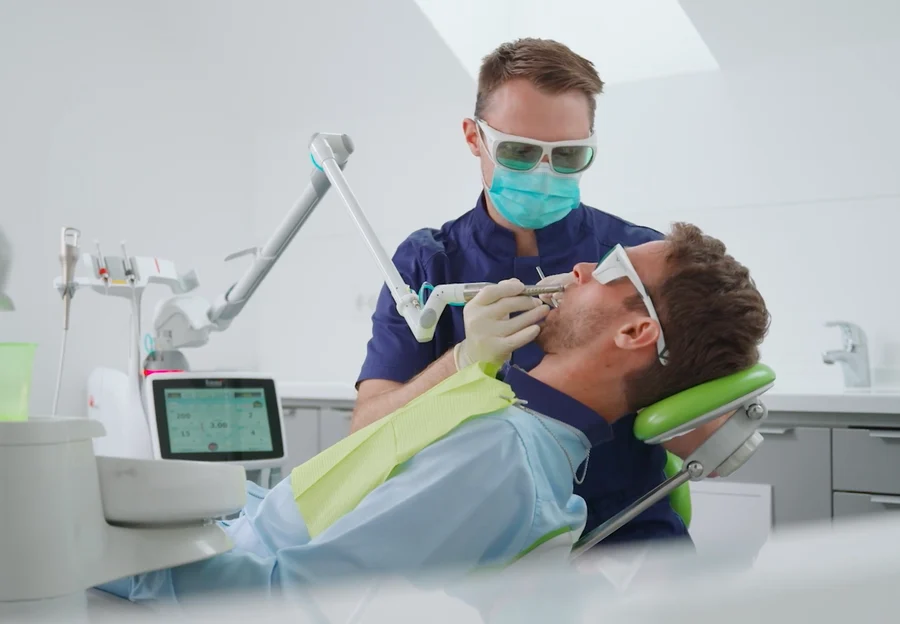
Laser energy is applied through a small handpiece directly over the jaw joint and the surrounding muscles — the masseter, temporalis, and (when indicated) the lateral pterygoid region. The skin is not broken. The energy reduces local inflammation, supports soft-tissue healing, and addresses the muscle hypertonicity that drives much of the pain in muscle-dominant TMD.
Most patients receive a short series of sessions — typically three to six visits over several weeks — with each session lasting roughly 15 to 25 minutes. Many patients report a noticeable reduction in jaw stiffness, tenderness on palpation, and headache load within the first two to three sessions, though the response varies with the underlying diagnosis.
This is a non-invasive complement to other TMJ treatment modalities. It is most useful when combined with a TMJ stabilization appliance, Botox for the masseter and temporalis, and the diagnostic data from JVA and T-Scan.
Photobiomodulation (PBM) & Laser Pain Management
Finding Relief — Without Needles, Without Surgery
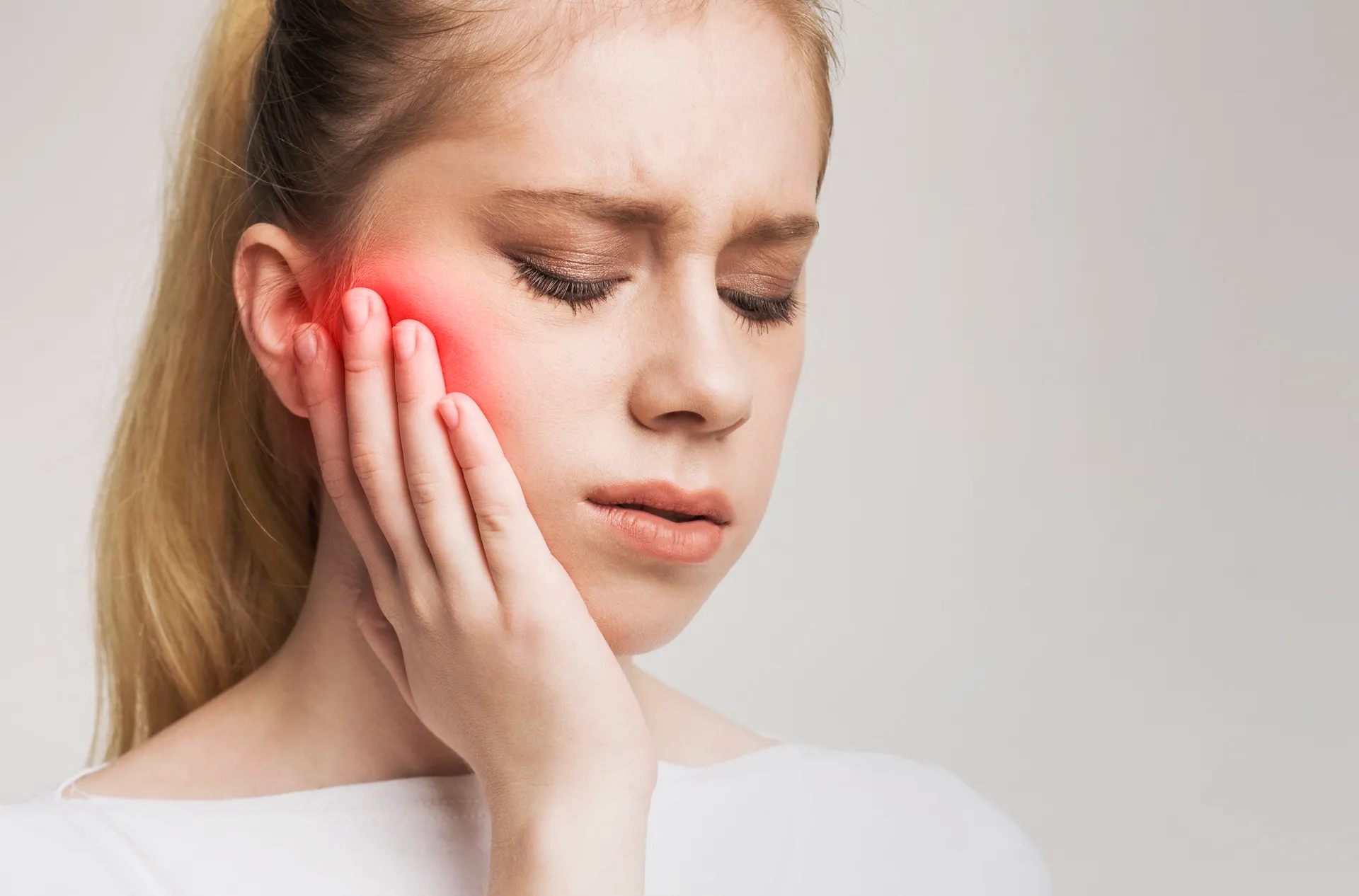
If you've been living with persistent jaw pain, tension headaches, a stiff or clicking jaw, or aching muscles that just won't settle — you're not alone, and you're not out of options.
Fotona's Photobiomodulation (PBM) and Pain Management laser therapies offer a gentle, non-invasive way to help your body reduce inflammation, ease muscle tension, and support its own natural healing process. These treatments use light energy — not medication, not needles, not cutting — to work at a cellular level to address the source of your pain.
What Is PBM, and Why Does It Help with Pain?
PBM stands for Photobiomodulation — a clinical way of saying that certain wavelengths of light can be absorbed by your cells to encourage healing from within. Think of it like giving your cells a gentle nudge to do their jobs better.
When the laser light reaches your tissues, it's absorbed by the mitochondria — the tiny energy centres inside your cells. This triggers a natural chain reaction:
- Your cells produce more energy (ATP), helping them repair and regenerate faster
- Inflammation is reduced at the tissue level
- Pain signals travelling through the nerves are calmed
- Blood flow and circulation improve, bringing nutrients to healing tissue
- Swelling decreases more quickly than it might on its own
The result, for many patients, is meaningful pain relief and faster recovery — without any downtime, medication side effects, or invasive procedures.
For conditions driven by persistent pain or muscle overactivity — like TMJ/TMD, jaw locking, tension headaches, and post-procedure soreness — this can make a real difference in how you feel day to day.
Pain Management Laser: Warmth That Works
While PBM uses low-level light to work at the cellular level, Fotona's Pain Management laser applies a higher-intensity infrared wavelength that gently warms the target tissue. This targeted warmth penetrates below the skin surface to relax muscle fibres, improve circulation, and interrupt the cycle of tension and pain that many TMJ and chronic pain patients know all too well.
It's warm — not hot, not uncomfortable. Most patients describe the sensation as soothing.
Conditions Where These Therapies May Help
PBM and laser pain management can be considered for a wide range of conditions. At our Toronto practice, we use these modalities most often in the context of jaw and facial pain — but the Fotona system is designed to address discomfort across the body, including:
- Jaw pain and TMJ/TMD — including painful or locked jaw joints and surrounding muscle tension
- Neck and shoulder pain — often connected to jaw posture and bite-related muscle strain
- Tension-type headaches — especially those arising from the masseter and temporalis muscles
- Muscle or ligament strain — in the jaw, face, or adjacent structures
- Chronic pain from arthritis — including osteoarthritis of the jaw joint
- Nerve pain — such as trigeminal discomfort associated with TMD
- Painful oral lesions — including recurrent aphthous ulcers (canker sores) and cold sores
- Pain and swelling after dental procedures — to support faster, more comfortable healing
- Low back pain, neck pain, and carpal tunnel syndrome — where adjunct pain laser care is appropriate
This is not an exhaustive list. If you're managing pain that hasn't responded well to conventional approaches, it's worth asking whether laser therapy could be part of your plan.
What to Expect from Treatment
One of the things patients appreciate most about PBM and pain management laser sessions is how straightforward they are.
- No needles. No injections of any kind are involved.
- No anesthesia. You won't need to be frozen or sedated.
- No recovery time. You can drive, eat, and go about your day immediately after.
- No known side effects from the laser energy itself.
- Fully customized. Each session is tailored to your specific area of concern and your current level of discomfort.
Sessions are typically short — depending on the size and location of the area being treated. PBM sessions are generally recommended every second day, with a minimum of three sessions and often five to eight visits for optimal results. The number of pain management sessions is determined by your response to treatment and the nature of your condition.
Protective eyewear is worn by both you and the clinician during every session.
PBM and pain management laser therapy work best as part of a broader treatment approach. At our practice, they are layered alongside TMJ stabilization appliances, Botox to the masseter and temporalis, bite diagnostics, and other therapies — not used in isolation as a stand-alone cure.
If you've been managing jaw pain, muscle tenderness, or chronic discomfort and want to explore whether laser therapy fits your situation, we'd encourage you to book a consultation. Dr. Cruz will review your history, assess your current symptoms, and give you a clear picture of what to expect — including a written plan and cost estimate before any treatment begins.
NightLase® for snoring and mild-to-moderate sleep apnea
NightLase® is a non-surgical Fotona Er:YAG laser treatment for snoring and the management of mild-to-moderate sleep apnea. Photothermal energy is delivered to the soft tissues of the oral cavity and oropharynx — the soft palate, uvula, and the lateral pharyngeal walls. The controlled heating stimulates collagen contraction and remodelling, producing a firming effect over the treatment course that may reduce airway collapse and snoring during sleep.
The standard protocol involves three sessions of approximately 20 to 30 minutes each, spaced roughly three weeks apart. There are no needles, no anesthesia, no cutting, and no recovery period — patients return to normal activity and a normal diet the same day. NightLase® is most often considered for patients who:
- Snore loudly and disruptively but are not candidates for or are intolerant of CPAP
- Have been diagnosed with mild-to-moderate obstructive sleep apnea and want a non-device option
- Have already tried a mandibular advancement appliance and want adjunctive soft-tissue treatment
- Have a primarily soft-palate — rather than skeletal — pattern of airway collapse
For severe sleep apnea, structural abnormalities, or when the primary obstruction is at the base of the tongue or below, NightLase® is not a substitute for a sleep medicine workup. Dr. Cruz refers for a sleep study when one has not been done, and coordinates with the patient's sleep physician when appropriate. See sleep apnea treatment and what is sleep apnea for the broader picture.
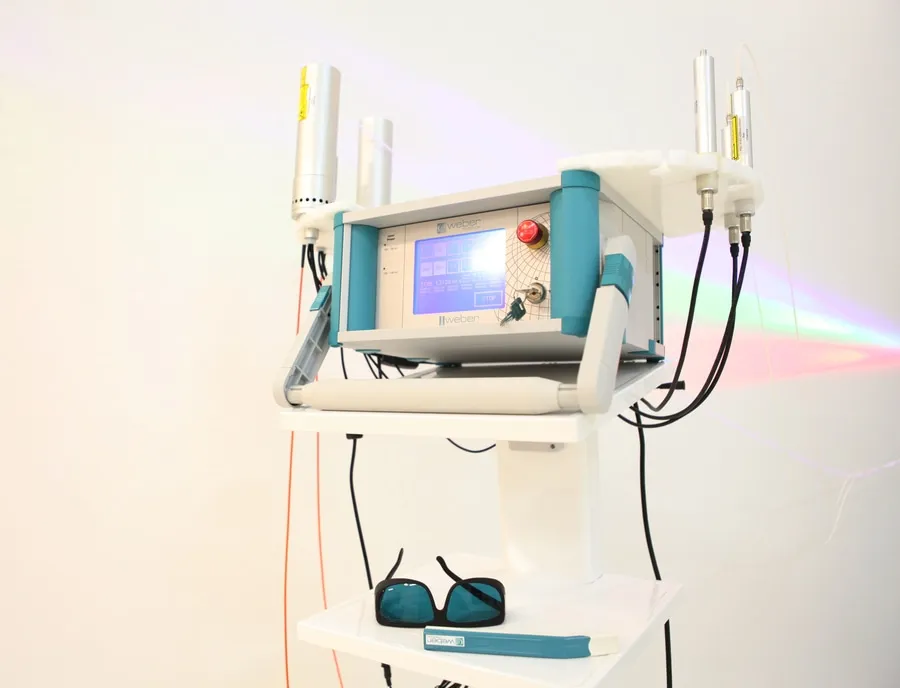
Weber Photobiomodulation (PBM) — Low-Level Laser Therapy
Weber photobiomodulation, also widely known as low-level laser therapy (LLLT) or cold laser therapy, represents a sophisticated advancement in non-invasive pain management and tissue regeneration. Developed and pioneered in Germany by Dr. Michael Weber, this therapeutic approach utilizes “soft” lasers to deliver precise wavelengths of light energy directly to targeted tissues.
Unlike the Fotona protocol, which uses higher-power photothermal energy on a focused area, Weber PBM operates at low, sub-thermal intensities to safely apply laser energy across a broad area of the jaw, face, and upper neck—the patient feels nothing more than a faintly warm probe resting on the skin.
How it Works at a Cellular Level
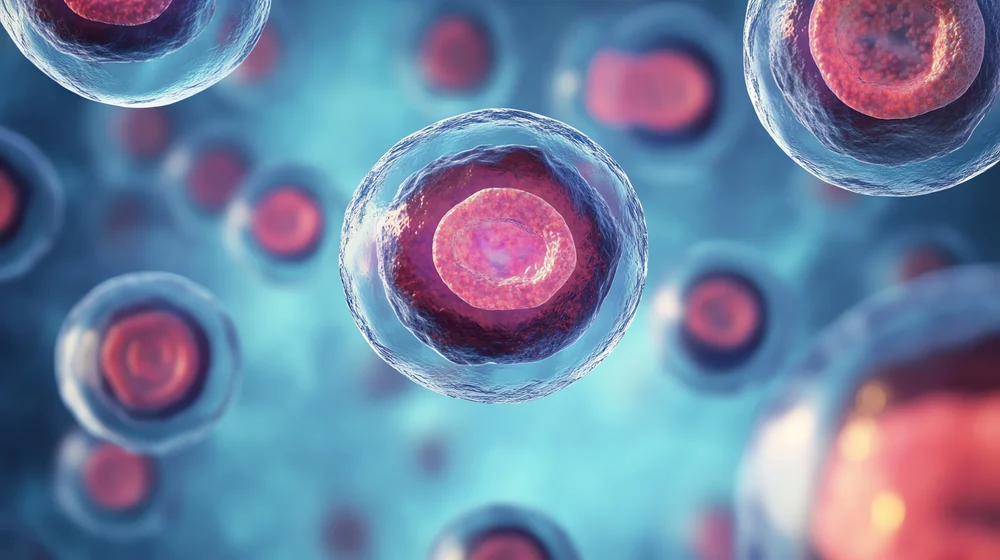
Medical laser therapy utilizes specific wavelengths of light—including blue, green, yellow, red, and infrared lasers. Each distinct color penetrates to a different depth and interacts with specific cellular components, such as growth factors and cells within our immune system.
When these high-energy light particles reach the cells, they are absorbed by cytochrome c oxidase in the mitochondria. This interaction enhances cellular ATP production, dampens pro-inflammatory cytokines, and modulates pain signaling in the trigeminal nerve distribution. Clinically, that translates directly to less muscle soreness, a quieter joint capsule, and reduced referred headaches and ear-region pain.
Because of this systemic calming effect, PBM is especially useful in chronic, sensitized TMD presentations—the patients whose nervous system has been turned up by months or years of bracing, clenching, and grinding. It is also highly effective during acute flare-ups to settle the system before more definitive dental work is done.
Comprehensive Treatment Modalities
Depending on your specific therapeutic needs, Weber laser technology can be delivered through two primary, non-invasive methods:
- External Laser Therapy (Laserneedle Acupuncture): This method applies up to twelve advanced “laserneedles” simultaneously. These specialized, needle-like laser ends are not inserted into the skin; instead, they are attached externally to the surface. By maintaining a high energy density, they comfortably penetrate deep into the tissue to stimulate specific pain areas. This pain-free technique can also be utilized for traditional acupuncture, allowing for the simultaneous stimulation of twelve distinct acupuncture points without the discomfort of traditional needles.
- Interstitial Laser Therapy: In cases where therapeutic light must reach deeply situated tissue layers, a percutaneous interstitial technique is utilized. By employing a specialized sterile catheter, this advanced technique achieves precise penetration depths of up to 12 cm. This allows green, yellow, and blue wavelengths—which are typically absorbed at the surface of the skin—to be delivered directly into deep tissue layers, significantly improving therapeutic outcomes and developing powerful anti-inflammatory effects exactly where they are needed most.
What to Expect During Treatment
All Weber laser modalities are entirely pain-free, non-invasive, and non-surgical. Because the energy delivered is completely sub-thermal, there are no needles, no incisions, and absolutely no anesthesia required.
Sessions are short, typically lasting 10 to 20 minutes, and require no post-treatment downtime. You can comfortably return to your normal daily activities, drive, and eat immediately following your visit. For maximum safety, protective eyewear is provided and worn by both the patient and the clinician during every session.
A Layered Approach to Care
At our practice, Weber PBM and laserneedle therapies are rarely used as isolated, stand-alone cures. Instead, they are seamlessly layered alongside other advanced dental and therapeutic modalities. Sessions are often delivered alongside Fotona protocols or custom splint adjustments at the exact same visit to provide a comprehensive, multifaceted treatment plan tailored to your specific diagnosis.
Weber Helmet — Transcranial Low-Level Laser Therapy (LLLT)
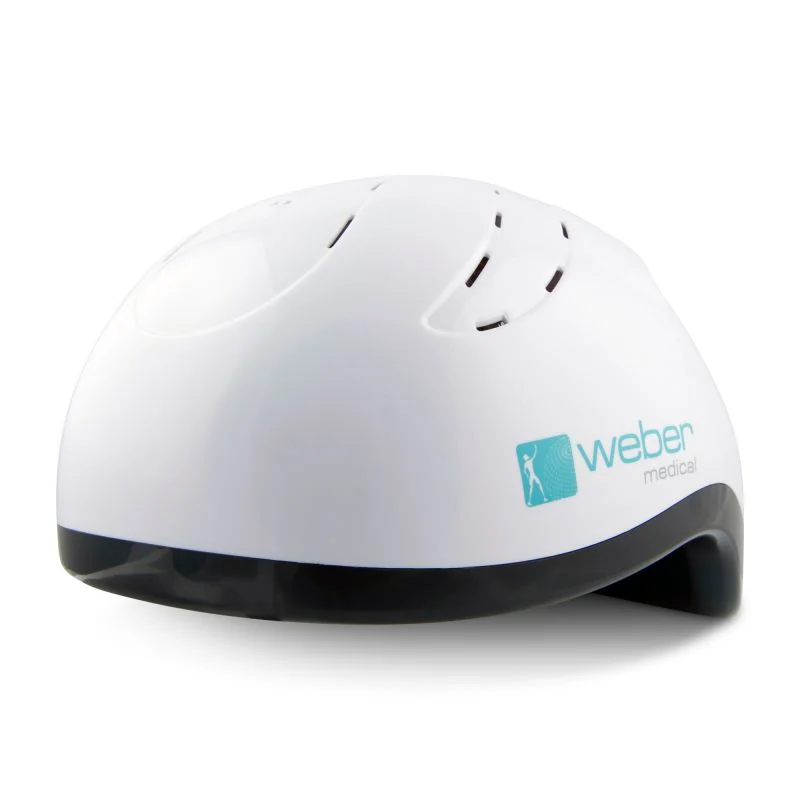
The Weber Helmet is an innovative, wearable low-level laser device that delivers targeted photobiomodulation (tPBM) through highly dense arrays of specialized diodes. Because these diodes are positioned simultaneously over the scalp, temples, and jaw region, the helmet is uniquely capable of addressing complex, overlapping symptom patterns. It can be utilized as a stand-alone therapeutic session or as a highly effective pre-treatment to deeply relax the neuromuscular system before receiving Fotona laser therapy, Botox injections, or custom appliance adjustments.
Technical Specifications & Deep Tissue Penetration
Operating at a therapeutic sub-thermal level, the helmet is engineered with precise specifications to ensure safe and effective energy delivery directly through the cranium:
- Diode Density: Built with an array of 320 targeted diodes.
- Wavelength: Operates at a precise 810 nm wavelength, utilizing low levels of infrared light optimized for deep tissue and cranial penetration.
- Power Output: Delivers 50 mW of power per diode, culminating in a total therapeutic power output of 16 W.
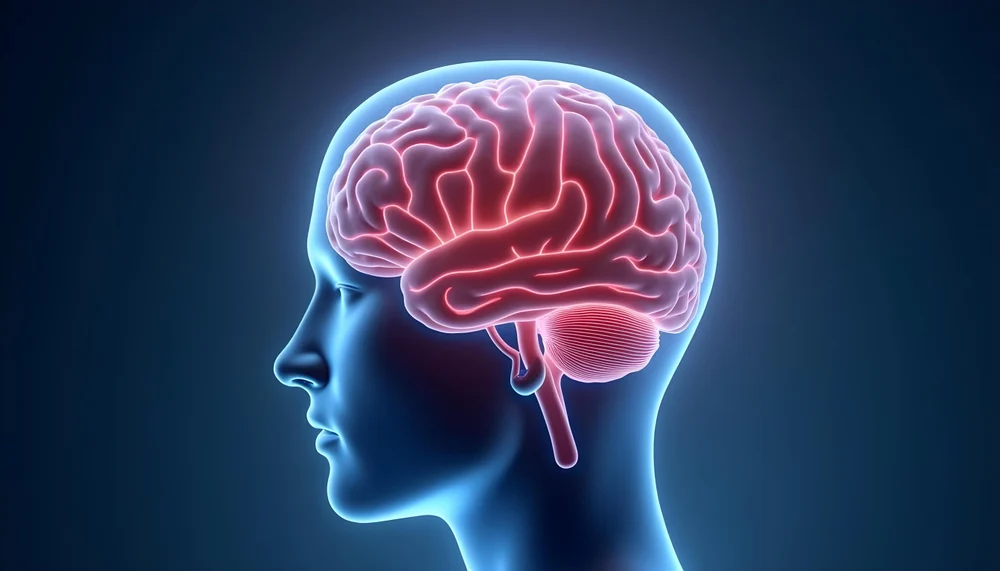
This specific infrared wavelength allows light energy to safely penetrate the skull to reach the deep layers of the cerebral cortex, stimulating cellular repair and modulating underlying nerve paths without generating uncomfortable heat.
Clinical Mechanisms & Cognitive Support
At a systemic level, transcranial photobiomodulation significantly enhances cellular performance and cranial circulation. The core clinical effects include:
- Enhanced Cerebral Energy & Function: The infrared light is absorbed at the cellular level, increasing cerebral energy production via mitochondrial oxidative phosphorylation. This process directly improves mitochondrial function, stimulates the growth of brain cells and neurons, and promotes neurogenesis.
- Improved Circulation & Oxygenation: The therapy is clinically shown to enhance oxygen consumption in the frontal cortex and triggers a significant increase in blood flow velocity—boosting circulation in the left middle cerebral artery by up to 30% and the basilar artery by up to 25%.
- Cognitive & Mood Support: By optimizing cellular energy and vascular flow, tPBM helps improve overall cognition and shows strong therapeutic potential in modulating neurochemical pathways, serving as a promising supportive option for the treatment of major depressive disorders.
Main Indications
Because the helmet blankets the entire cranial vasculature, the temporomandibular joints, and the temporalis muscles, it is widely used to treat both localized craniofacial pain and broader neurodegenerative or neuropsychological conditions:
- Craniofacial & TMD Relief: Exceptional for addressing muscle-dominant TMD, tension-pattern headaches, migraines, and chronic, bruxism-related craniofacial soreness.
- Neurological & Degenerative Support: Provides an innovative, non-invasive supportive care option for the post-treatment and management of stroke, Traumatic Brain Injury (TBI), Alzheimer’s disease, Dementia, Parkinson’s disease, and ALS (Amyotrophic Lateral Sclerosis).
- Ocular Health Support: Clinically indicated to assist in the management of age-related macular degeneration.
What to Expect During Your Session
Treatment with the Weber Helmet is entirely passive, non-invasive, and non-surgical. You will simply sit back and relax comfortably while the helmet runs through its programmed cycle, which typically requires a recommended treatment time of 20 to 30 minutes.
There are absolutely no needles, no incisions, and no anesthesia or recovery periods required—allowing you to return to work, drive, and resume normal activity immediately. As with all Fotona and Weber laser protocols at our practice, certified protective eyewear is provided and worn by both the patient and the clinician for the duration of every session.
Is laser therapy right for you?
Laser therapy — Fotona, Weber PBM, NightLase®, or the Weber Helmet — is generally appropriate as part of a TMJ/TMD or airway plan if you experience any of the following:
- Jaw muscle pain, tenderness on palpation, or chronic stiffness in the masseter or temporalis
- Joint capsule tenderness or low-grade inflammation around the TMJ
- Recurrent tension-pattern headaches in the temples or behind the eyes that are jaw-related
- Bruxism-related muscle soreness that hasn't fully resolved with a splint alone
- Chronic, sensitized TMD where the nervous system seems to be a driver
- Loud snoring without diagnosed severe sleep apnea, particularly with a soft-palate pattern
- Mild-to-moderate sleep apnea where you want a non-CPAP, non-surgical adjunct
- Slow soft-tissue healing or post-procedure inflammation that would benefit from PBM
Laser therapy may not be the right starting point if your TMJ symptoms are driven primarily by a structural joint problem — for example, a displaced disc that needs recapturing, an arthritic TMJ with significant condylar change, or a locked jaw needing immediate intervention. It is also not a substitute for a sleep study in patients with suspected severe sleep apnea. In those cases, laser therapy is layered on top of the primary treatment plan rather than used alone.
What the appointment feels like
Most patients tell us the anticipation is worse than the visit itself. A typical laser-therapy session looks like this:
- You'll be seated comfortably with the head supported, and protective eyewear is fitted before the laser is activated
- For Fotona TMJ work the clinician moves a small, cool-feeling handpiece in slow passes over the skin of the joint and muscle — most patients describe it as a mild warm pulse, never painful
- For NightLase® the handpiece is moved across the soft palate, uvula, and lateral pharyngeal walls — the sensation is warmth at the back of the throat without burning
- For Weber PBM and the Helmet, the device rests against the skin or scalp — you'll feel almost nothing other than the gentle weight of the probe or helmet
- There is no numbing, no needle, no drilling, and no bleeding — you can drive, eat normally, and return to work the same day
A first laser session is preceded by a TMJ/airway evaluation if one has not already been completed. A written plan and cost estimate follow before any treatment begins.
Laser therapy vs. other TMJ options
Most TMJ/TMD plans combine more than one of the options below. The table is a general orientation — the right combination depends on the diagnosis.
| Option | Best for | Invasiveness | Typical timeline |
|---|---|---|---|
| Fotona TMJ laser | Joint and muscle inflammation, muscle pain, slow soft-tissue healing | Non-invasive — no needles, no incision | 3–6 sessions over several weeks |
| NightLase® (Fotona) | Snoring, mild-to-moderate sleep apnea, soft-palate airway pattern | Non-invasive — intraoral handpiece only | 3 sessions ~3 weeks apart, periodic top-ups |
| Weber PBM / Helmet (LLLT) | Chronic sensitized TMD, tension headaches, flare-up settling | Sub-thermal, painless, no preparation | Short series; often layered with other visits |
| Custom oral appliance / orthotic splint | Bruxism, joint loading, mild–moderate TMD | Reversible, removable | Fitted in 2–3 visits; adjusted over 8–12 weeks |
| Botox to masseter / temporalis | Muscle-dominant TMD, hypertrophy, heavy clenching | Minimally invasive (small-gauge needle) | Builds over 1–2 weeks; wears off 3–4 months |
| Surgical referral (arthroscopy / arthrocentesis) | Severe, refractory, structural cases | Surgical, performed by oral surgeon | Coordinated with oral surgeon |
What laser therapy can do for you
When the diagnosis is right, dental laser therapy is a powerful low-burden addition to a TMJ or airway plan:
Less jaw & muscle pain
Photothermal and PBM energy lower local inflammation and muscle hypertonicity in the masseter, temporalis, and TMJ capsule.
No needles, no cutting
All laser modalities used here are non-invasive — no injections, no incisions, no anesthesia, and no recovery time required.
Short, fast sessions
Most laser sessions last 15 to 25 minutes, with no downtime — you can eat, drive, and return to work immediately.
Quieter nights with NightLase®
Soft-palate firming can reduce snoring and may improve mild-to-moderate sleep apnea without a CPAP machine or surgery.
Stacks with other care
Layers cleanly with splint therapy, Botox, T-Scan adjustments, and self-management — you don't have to choose one or the other.
Helps slow chronic pain
PBM modulates trigeminal pain signalling and supports a calmer nervous-system baseline in long-standing, sensitized TMD.
Dr. Cruz's clinical note
"I add laser therapy — Fotona, the Weber low-level, or the helmet — when the diagnosis tells me inflammation, muscle hypertonicity, or pain sensitization is driving the picture. For a young grinder with masseter hypertrophy and a quiet joint, Fotona plus Botox often gets the muscles to release faster than either one alone. For a long-standing chronic patient whose nervous system is wound up, the Weber Helmet at the start of a visit can settle things enough that the splint adjustment afterwards actually holds."
"NightLase® is a different decision. I don't sell it as a replacement for a sleep study. For the right soft-palate snorer who wants a non-device option, it works well. For the patient whose obstruction is at the tongue base or who has moderate-to-severe apnea, I want them in front of a sleep physician first and using the laser only as part of a layered plan."
— Dr. Yolanda Cruz, DDS, Dr. Yolanda Cruz Dentistry On The Path, Downtown Toronto
Risks & considerations
- Laser therapy is generally well tolerated, but a small minority of patients experience transient skin warmth, redness, or mild tenderness over the treated area for a few hours
- For NightLase®, mild throat dryness or a brief sore-throat sensation can occur for a day or two after a session
- Protective eyewear must be worn by patient and clinician for every laser session — direct laser exposure to the eyes can cause serious injury
- Laser therapy is not a substitute for an accurate working diagnosis; using it as a stand-alone treatment without identifying joint, disc, occlusal, or airway contributors can mask a worsening condition
- NightLase® is not a substitute for a sleep medicine workup in patients with diagnosed or suspected severe obstructive sleep apnea
- Results are not permanent — periodic top-up sessions are often required, particularly for soft-palate firming
- Laser therapy is generally contraindicated over active malignancy in the treatment field and in selected photosensitivity conditions; medical history is reviewed before treatment
- Pregnancy is a relative contraindication for some laser protocols — please disclose pregnancy or possible pregnancy before any session
Frequently asked questions about dental laser therapy
TMJ dental laser therapy delivers controlled light energy to the jaw joint, muscles, and surrounding soft tissue to reduce inflammation, ease muscle tension, and modulate pain. At this Toronto practice, Dr. Cruz uses the Fotona dental laser for photothermal TMJ and NightLase® airway protocols, and the Weber low-level laser and Weber Helmet for photobiomodulation (PBM). Sessions are short, non-invasive, and require no anesthesia or recovery time, and are layered with splint therapy, Botox, and diagnostic data.
No anesthesia is needed. The Fotona TMJ and NightLase® protocols produce a mild warm pulse on the skin or in the soft palate — most patients describe it as warmth, not pain. Weber PBM and the Weber Helmet are sub-thermal and essentially sensation-free. Protective eyewear is worn for every session.
For TMJ pain, a typical course is three to six Fotona sessions over several weeks, often layered with Weber PBM. Many patients report meaningful relief by the second or third visit, though chronic and sensitized cases respond more slowly. NightLase® uses three sessions roughly three weeks apart, with periodic top-ups for maintenance.
Laser therapy — Fotona TMJ, NightLase®, and Weber PBM — is most often a fee-for-service offering. A small number of Canadian extended-health plans reimburse a portion of TMD-related laser sessions; the practice provides itemized documentation to submit. NightLase® for snoring is generally not covered. The CDCP page outlines what's eligible under the federal plan.
Not for everyone. NightLase® is most appropriate for snoring and mild-to-moderate sleep apnea with a soft-palate pattern of collapse. For severe sleep apnea, structural abnormalities, or tongue-base obstruction, it is not a substitute for CPAP, an oral appliance, or a sleep-medicine workup. Dr. Cruz refers for a sleep study when one has not been done and coordinates with your sleep physician.
The practice is at 390 Bay St., Concourse Level, Unit C006 — on the PATH at the corner of Bay & Queen, downtown Toronto. The TTC Queen station is one block away and there's underground parking nearby. Full directions and accessibility notes are on the parking & directions page.
LightWalker: Hard and Soft-Tissue Dental Lasers
The Fotona LightWalker is a dual-wavelength dental laser used at our Toronto office for both hard-tissue (enamel, dentin) and soft-tissue (gum, mucosa, muscle) procedures. The videos below show how the LightWalker is used in clinical practice and how it differs from conventional dental drilling and surgical techniques.
The same Fotona Er:YAG laser is also used at our office for Fotona LipLase®, a non-surgical lip enhancement treatment that stimulates your own collagen for fuller, smoother lips without fillers or injections.
Medical Disclaimer
This content is for informational purposes only and does not constitute dental or medical advice, diagnosis, or treatment. Dental laser therapy, including Fotona, NightLase®, Weber photobiomodulation, and the Weber Helmet, is delivered within the scope of general dentistry as an adjunct to a comprehensive TMJ/TMD or airway plan. Individual response varies; some cases require referral to an oral and maxillofacial surgeon, a sleep medicine physician, or another specialist. Consult Dr. Yolanda Cruz or another qualified dental professional regarding your symptoms and treatment options. Individual results may vary.
Ready to add laser therapy to your TMJ or airway plan?
Book an evaluation with Dr. Cruz. We'll confirm the diagnosis, decide whether Fotona, Weber PBM, NightLase®, or the Weber Helmet fits your case, and give you a written plan and cost estimate before any treatment begins.